


The tapenade is a well-known culinary specialty of the Mediterranean region, particularly in France, Spain and Italy. It is primarily made from olives and olive oil, which gives it a unique and delicious flavour. In this article, discover the three best varieties of olives to make an authentic homemade tapenade.
The Green Olives
When we talk about tapenade, we often think of green olives, as these are used in the original recipe that comes from Provence, in France. Green olives are picked before they are fully mature, giving them a fresher and slightly bitter taste, compared to other varieties of olives.
[bzkshopping keyword=”green olives”]
The Picholine, the ally of fragrant tapenades
The Picholine is a French green olive originating from Gard. It has a very subtle taste, slightly herby with a hint of hazelnut in the mouth. Know that it is among the best olive varieties for those who wish to make a fragrant tapenade with a creamy texture. Indeed, its tender pulp pairs perfectly with the crunch brought by the capers and anchovies present in the traditional recipe. Its size is also ideal for obtaining a tapenade with generous pieces.
[bzkshopping keyword=”picholine olives”]
The Lucques, for a sweet and fruity flavor
The Lucques is a variety of green olives originally from Languedoc-Roussillon. It is particularly appreciated for its melting flesh and its very sweet and slightly tart taste. It thus brings an original and delicate note to homemade tapenades. This type of olive pairs very well with classic tapenade ingredients such as garlic, capers, and extra virgin olive oil.
The Black Olives
Black olives are actually olives that have reached full maturity before harvest. This gives them a more intense and tasty flavor. They are particularly appreciated in France and Italy for preparing delicious authentic tapenades.
The Nyons olive, a guarantee of quality
The Nyons olive is the quintessential French black olive, benefiting from a Controlled Appellation of Origin (AOC). It primarily comes from Drôme Provençale and a few municipalities in Vaucluse. Its thin and wrinkled skin hints at a firm and melting flesh. Its powerful and woody aromas blend wonderfully with the other ingredients in the tapenade, giving it an incomparable flavor. Using Nyons olives in your tapenade recipe ensures an authentic and tasty result.
[bzkshopping keyword=”nyons olive”]
The Kalamata, for a Greek touch
The Kalamata olive is a variety of black olives originating from Greece, known for its particularly strong taste and fleshy texture. The Kalamata is often used to prepare homemade tapenades with exquisite Mediterranean notes. Its purple color also gives the tapenade a dark, almost black, hue, highly appreciated by connoisseurs. Combine this olive with good ingredients to get a tapenade rich in flavors.
[bzkshopping keyword=”kalamata olive”]
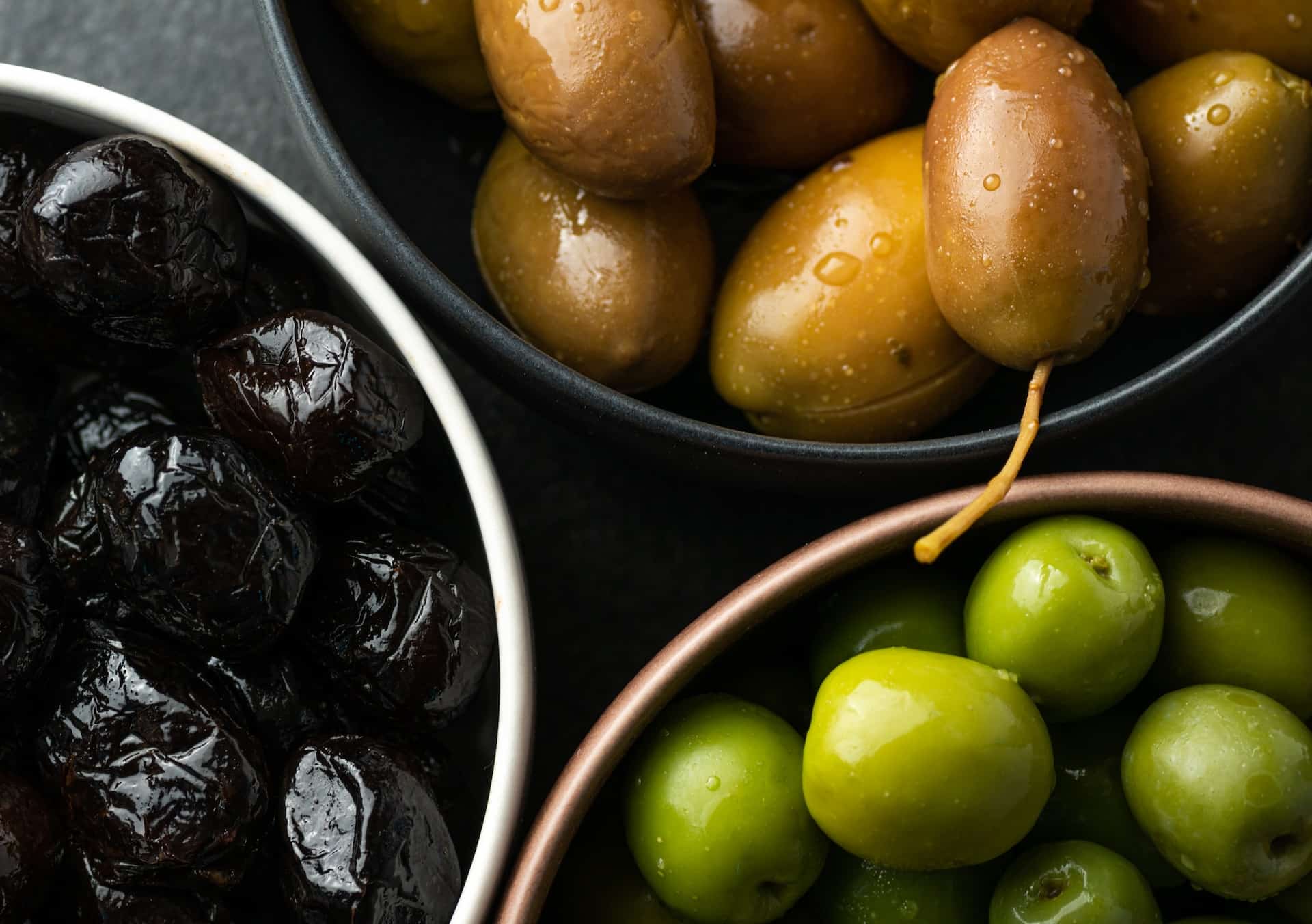
The Mixed Olives
Why not try to mix different varieties of olives to compose your own tapenade? By combining the softer and fruiter flavors of green olives with the stronger and more intense flavors of black olives, you will create an original recipe that will delight your guests’ taste buds.
Vary the pleasures with an altered mix
Do not hesitate to combine lesser-known or local varieties of olives to create an innovative and surprising tapenade. Each Mediterranean region has its own olives, grown according to traditional methods that preserve their unique flavor. For example, pair the Picholine with the Kalamata olive to connect the fruity taste of green olives with the more intense taste of black olives. Each bite will thus be an explosion of flavors in your mouth.
Find the ideal balance between different varieties of olives
The secret to a good tapenade lies in the harmonious balance of flavors and textures presented by the different olives. You can experiment with different olive blends to achieve the ideal tapenade according to your tastes and creativity. Just be careful not to clutter your recipe with too many superfluous ingredients, risking to mask the true flavors of the delicious olives you have chosen to use.
In conclusion, there are a multitude of possibilities in terms of choosing olives to make an authentic, flavorful and full-bodied tapenade. Whether you prefer green, black or mixed olives, don’t hesitate to innovate and surprise your guests with new flavours straight from Mediterranean countries.