

The French gastronomy is renowned for its diversity and the quality of its products. While some pastries have become must-haves, others have been somewhat relegated to the realm of memories. However, in recent years, there has been a resurgence of these forgotten desserts. In this article, we invite you to rediscover some of these sweet delights that makes the happiness of food lovers.
Kouign-amann: a Breton specialty
Originating from Brittany, the kouign-amann is a dessert rich in butter, sugar, and puff pastry (500 g of dough). Its preparation is simple: spread 200 g of soft butter and 150 g of sugar over the dough, which is then folded before baking in the oven at 220°C for about 30 to 35 minutes. The result is crisply on the outside, melting and slightly caramelized inside.
The kouign-amann is experiencing a real craze and is found on the menu of numerous bakeries all over France. Its success is also notable on the international scene, where it is appreciated for its unique taste and incomparable texture.
The tropézienne tart: a successful marriage between brioche and cream
Invented in the 1950s in Saint-Tropez, the tarte tropézienne consists of a brioche (500 g of brioche dough) filled with a light cream composed of 250 ml of milk, 100 g of sugar, 3 eggs and 100 g of butter. After the brioche is baked, the cream is added before serving.
This dessert seduces with its gourmet combination of flavors and its generous presentation, making it an ideal choice for all occasions.
The crackling cabbage: the strong comeback of the chouquettes
The crackling cabbage consists of a small cabbage (250 g choux paste for about 20 pieces) topped with a thin layer of crunchy shortcrust pastry (50 g butter, 60 g sugar, 60 g flour). Filled with pastry creams (200 ml milk, 2 egg yolks, 50 g sugar) with varied flavors, it offers a range of taste possibilities. These little crunchy and melting cabbages have become favorites in French patisseries.
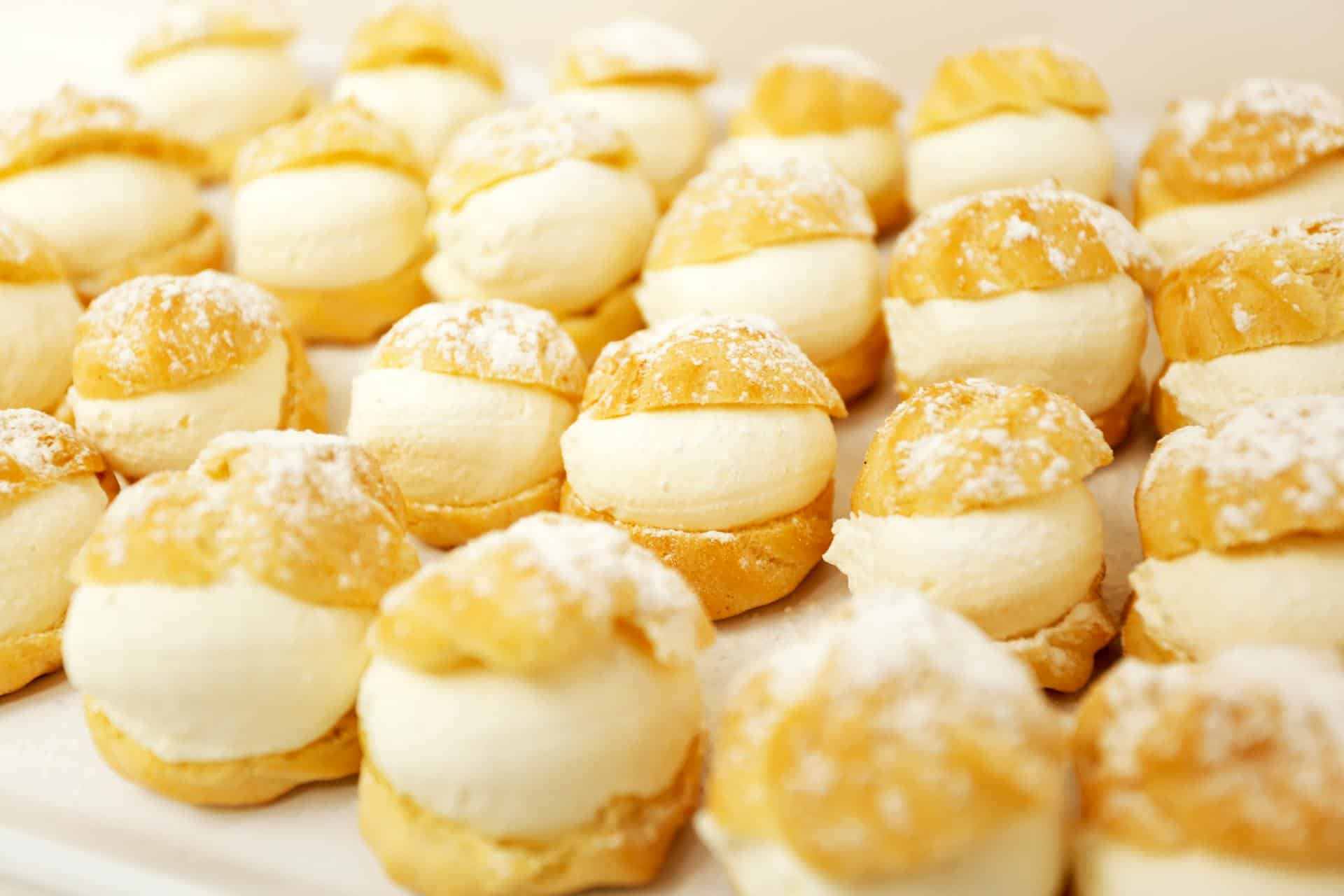
Bakers never lack imagination and compete in audacity to offer ever more tantalizing assortments.
The Merveilleux: A Sweetness From The North
This dessert is prepared with a meringue (4 egg whites, 250 g of sugar) coated with whipped cream (200 ml of cream, 50 g of sugar) flavored with chocolate and sprinkled with chocolate shavings (100 g). Traditionally offered in individual format, the marvelous is appreciated for its light texture and intense sweetness.
More recently, there has been a surge of interest in this dessert due to the emergence of dedicated shops, where the marvelous is available in several tastes and flavors, reviving its past success.
Clafoutis: An Unknown Classic
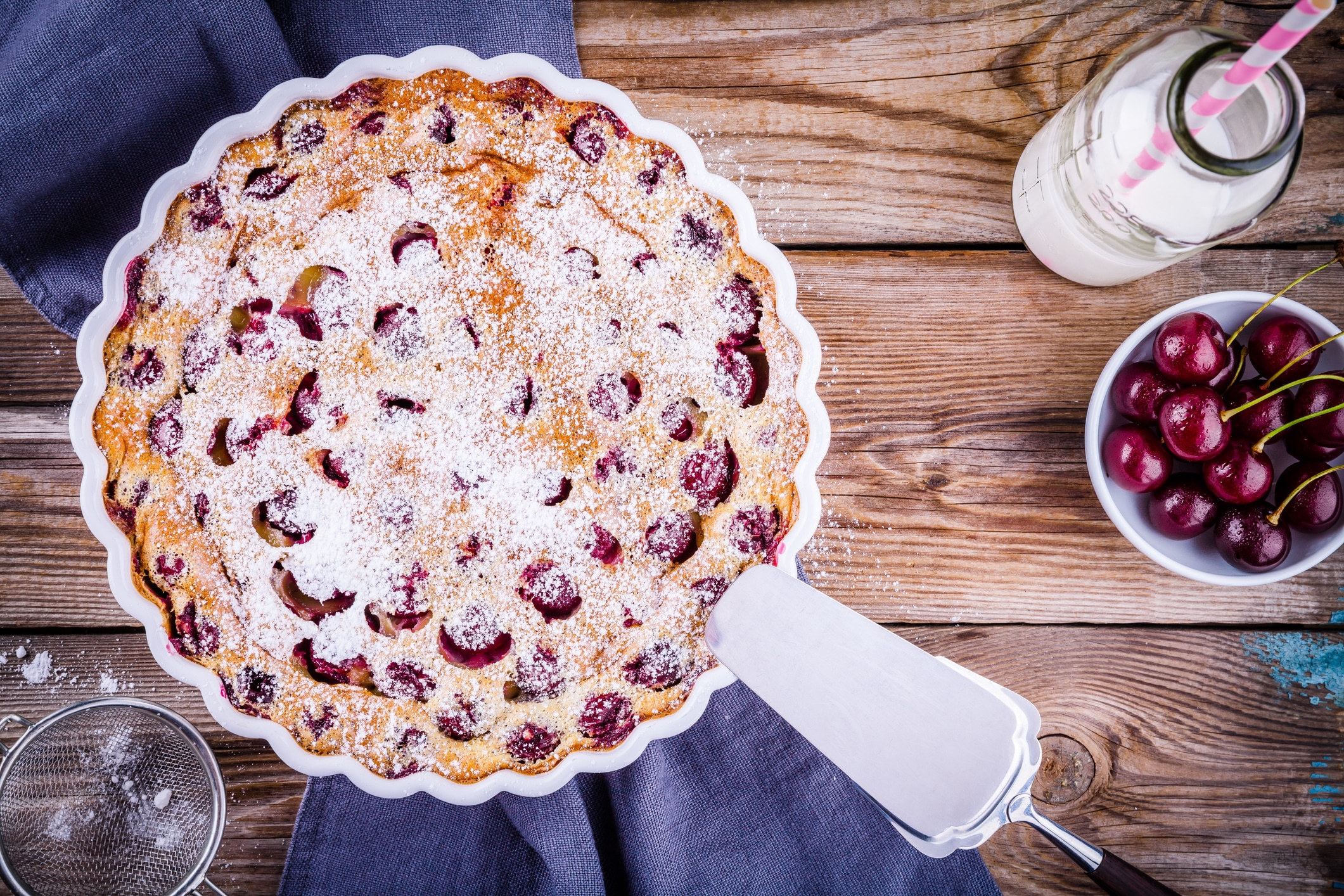
The clafoutis is a dessert made from fruit, mainly cherries (500 g), baked in a thick batter (150 g of flour, 300 ml of milk, 4 eggs, 100 g of sugar).
The traditional recipe remains unchanged, but changes are now proposed with various fruits or even savory ingredients. Just like the tarte tropézienne, the clafoutis is slowly making its way back to the forefront and is establishing itself as a comforting dessert that reminds us of the simple joys of childhood.
The eclair: an eternal delight
The éclair consists of an elongated choux pastry (choux pastry dough of 250 g for about 10 éclairs) filled with a custard cream (200 ml of milk, 2 egg yolks, 50 g of sugar, flavor according to taste). Each éclair can be tailored with different flavors like coffee, vanilla or chocolate, offering a variety appreciated by all.
If in traditional bakeries, the choice remains classic, some specialized brands do not hesitate to offer original and surprising éclairs, with fillings revisiting the flavors of yesteryears or with delicate decorations that make it an undisputed trendy dessert.
It is undeniable that these forgotten desserts are making a strong comeback today, thus reviving our taste buds and our sweet tooth. Whether they are simple, delicate or daring, it is always pleasant to rediscover these French delicacies that have made the reputation of our culinary heritage.