


Have you ever tasted a delicious clafoutis with plums? This traditional French dessert is often associated with cherry clafoutis but offers a tasty and gourmet alternative with plums as the main ingredient. In this article, we propose to learn more about this dessert and the best preparation methods to achieve a succulent and irresistible result.
The Origin of the Plum Clafoutis
The clafoutis, also known as “millas” in some regions, is a French dessert originating from Limousin, particularly from the department of Creuse. It was created in the 19th century and quickly conquered the country with its simplicity and flavorful taste. The word “clafoutis” comes from the Limousin dialect “claufir”, which means “to fill” or “to garnish”. The clafoutis is thus a dough filled with fruits, initially black cherries, but also commonly made with other fruits such as plums, pears, apricots, or apples.
The ideal varieties of plums to make a clafoutis
In France, there are a multitude of plum varieties, all different in terms of color, size, and taste. To make a plum clafoutis, it is advised to use ripe and juicy plums, preferably slightly tart varieties that will contrast with the sweet sweetness of the dough. Among the ideal varieties for a plum clafoutis, we can mention:
The Greengage
This round and green plum is a very renowned French variety for its sweet, melting, and fragrant flesh. It brings a touch of freshness and a perfect balance between acidity and sweetness in the clafoutis.
The mirabelle
Originating from Lorraine, the mirabelle is a small, sweet, yellow plum, delicate on the palate. Highly valued for making tarts and other plum desserts, it is also an excellent choice for making a delicious plum clafoutis.
The Damson
In a bluish-purple color, the quetsche is another variety of plum often used in pastry for its slightly tart character. Its firm flesh also allows excellent heat resistance, which has made it a reference in terms of Plum Clafoutis.

The key steps to successfully make your plum clafoutis
Making a plum clafoutis (for 6 people) is simple and only requires a few basic ingredients:
- Plums: approximately 500 to 600 grams
- Sugar: 100 to 150 grams
- Flour: 100 to 125 grams
- Butter: 25 to 50 grams
- Eggs : 3 to 4, depending on their size
Here are the key steps to make your plum clafoutis successfully:
1. Prepare the plums
First and foremost, it is essential to wash the plums thoroughly, cut them in half, and carefully remove the pits. You can also choose to keep the pits if you want to add an extra flavor to your dessert.
2. Make the clafoutis batter
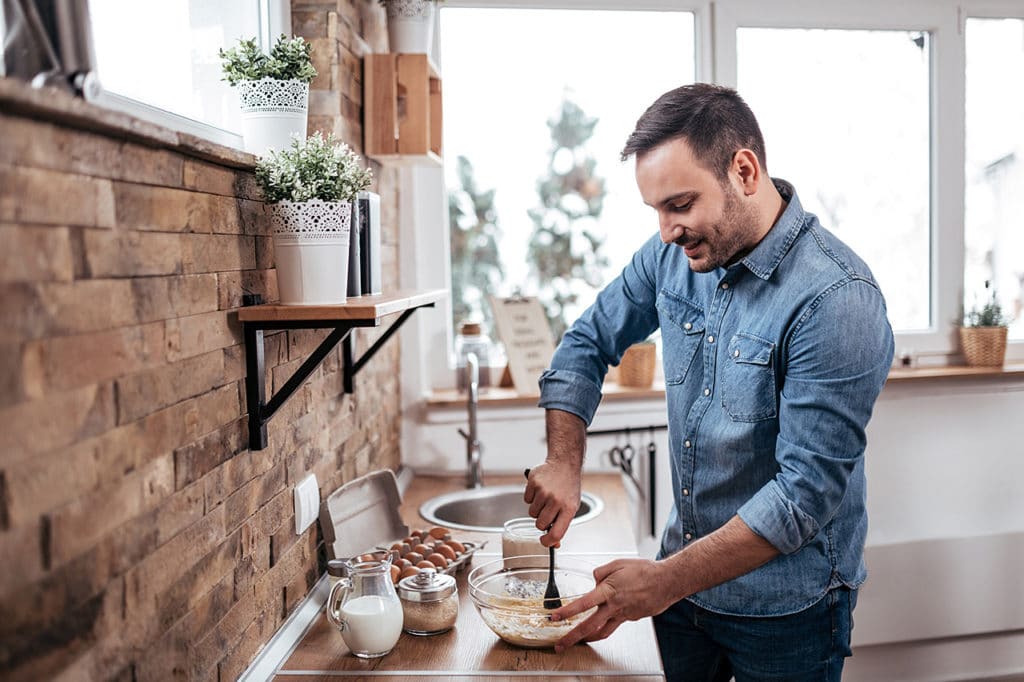
In a large bowl, mix the flour and sugar. Then incorporate the eggs, one at a time, whisking vigorously to obtain a homogeneous and lump-free mass. Then add the melted butter to the mixture and mix again to obtain a smooth and creamy dough.
3. Prepare and cook the clafoutis
Butter generously a gratin dish or a dish suitable for the oven. Place the half plums in the bottom of the dish, cut side down, making sure to distribute them evenly over the whole dish. Then pour the clafoutis batter evenly over the plums.
Place the plum clafoutis in a preheated oven at 180°C (thermostat 6) for about 35 to 40 minutes. The clafoutis is cooked when the dough is golden and the center of the dessert is firm to the touch.
Vary the pleasures with personalized recipes of plum clafoutis
To add a touch of originality and extra indulgence to your Prune Clafoutis, you can add additional ingredients such as ground almond, rum, cinnamon or even praline into your clafoutis batter. Do not hesitate to also combine different varieties of plums to create interesting matches and surprise your taste buds!
The plum clafoutis is thus a friendly dessert, easy to prepare and deliciously tasty that will certainly delight your loved ones and your guests. So don’t wait any longer, embark on the discovery of this revisited classic and enjoy!