

The winter season has set in and you want to continue enjoying your two-wheeler? No problem! Keeping your motorcycle in perfect condition to face challenging weather conditions is possible with a few tips and tricks. Discover everything you need to know to prepare your machine to face snow and frost.
Essential equipment for winter driving
Before anything else, it is necessary to equip oneself with the appropriate accessories to face the cold and stay safe on the road. Here is a list of the essential items:
- Warm clothing: thermal trousers, padded jacket, under-gloves and waterproof shoes are essential to protect your body from the cold and prevent health problems.
- Warm hands and feet: for better control over the commands, invest in heated grips and/or insulated boots, as well as leg covers for optimal comfort.
- Antifreeze system: remember to add antifreeze to your coolant to prevent it from solidifying overnight.
- Powerful lighting: regularly check your bulbs and opt for enhanced lighting, especially for the front and rear lights, to clearly signal your presence on the road.
[bzkshopping keyword=”motorcycle jacket”]
The adaptations to make on your motorcycle
To best prepare your two-wheeler for winter conditions, several modifications should be considered:
- Tire inflation: don’t hesitate to slightly under-inflate your tires to increase their contact surface with the ground and improve traction. However, do not exceed a pressure decrease of 10% compared to the value recommended by the manufacturer.
- Suitable tires: winter tires specially designed to cope with snow and frost are available. They offer optimal grip thanks to their soft rubber and specific design.
- Battery in good health: check the status of your battery regularly as cold temperatures can reduce its capacity and cause breakdowns. Don’t hesitate to invest in a smart charger which will maintain your battery’s charge even when you’re not driving.
- Special lubricant: prioritize a lubricant suitable for low temperatures which will protect your engine and facilitate its start-up in cold weather.
[bzkshopping keyword=”motorcycle lubricant”]
Devices for safe driving
In addition to these adaptations, certain devices can help you cope with weather uncertainties:
- High bubble: its role is to protect the pilot from wind and water splashes. In winter, reduced visibility can make this protection even more necessary.
- ABS: if your motorcycle is lacking this, it’s time to consider fitting it because this system prevents wheel lock-up during sudden braking and reduces the risk of falling.
- Hill-start assist: this equipment can be very useful in case of significant slopes or when the ground is slippery.
Maintaining your motorcycle in winter: some advice
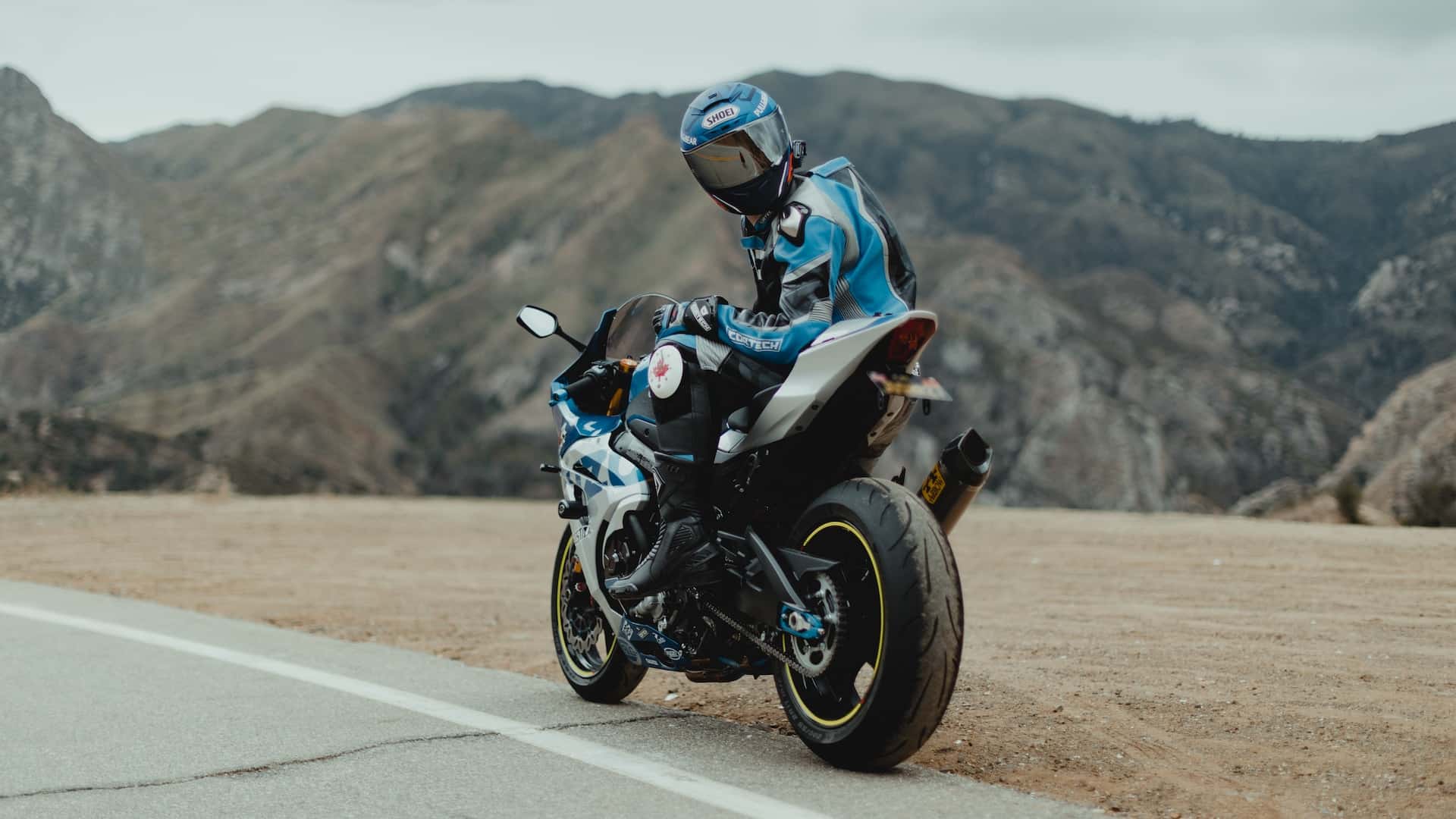
During the winter season, regular maintenance of your two-wheeler is essential:
- Frequent cleaning: The salt spread on the roads by salt spreaders can quickly damage certain parts of your motorcycle. To avoid this, it is recommended to regularly clean your machine with a stream of warm water and a soft cloth.
- Drying: remember to dry your motorcycle after each wash to prevent frost formation on metallic parts and prevent corrosion.
- Lubrication: use a special cold-resistant grease to maintain the main moving parts of your motorcycle (chain, cables, joints…).
- Fluid check: regularly check the level of the engine oil and brake fluid. If necessary, replace them using products compatible with low temperatures.
Tip: preserving your motorcycle during less frequent use
When not using your two-wheeler for several consecutive days during the winter, here are some tips to avoid finding a “grubby” or weather-damaged motorcycle:
- Covered parking: whenever possible, park your motorcycle in a covered area, potentially heated to minimize the effects of cold and humidity.
- Protective cover: if you need to leave your two-wheeler outside, consider using a suitable cover that will protect your vehicle from the elements and UV rays.
- Block the wheels: to prevent your tires from sagging under the weight of the bike, especially if it rests solely on its wheels, place pieces of cardboard or rubber between the ground and the wheels.
- Battery and tank: to avoid starting issues, disconnect your motorcycle’s battery or use a maintenance charger. Additionally, keep the gas tank full to limit the accumulation of moisture inside.
By following these tips, you should be able to fully enjoy your two-wheeler throughout the winter season. Don’t forget that caution is still necessary on snowy or icy roads: reduce your speed, increase safety distances, and adapt your routes. Finally, don’t hesitate to regularly check weather reports to anticipate driving conditions.