


The management of emotions is a major issue for our well-being and overall health. A method that has proven its effectiveness in this area is self-hypnosis. In this article, we will present the main techniques of self-hypnosis to help you better manage your emotions and reduce anxiety disorders.
What is self-hypnosis?
Self-hypnosis is a practice of deep relaxation that allows one to access a modified state of consciousness, similar to sleep, but in which the person remains aware of their surroundings. It is used to work on various aspects of daily life such as self-confidence, stress management or even improving sports performance.
The different techniques of self-hypnosis
There are several methods of self-hypnosis, each with its specificities and advantages. Here they are:
- The Schultz method : this technique involves gradually relaxing in stages, by imagining oneself in a peaceful and pleasant place. The goal is to release muscular and mental tension to reach a state of deep relaxation.
- The Coué method : it relies on the use of positive and repetitive suggestions to anchor a change in behavior or emotion in the unconscious. For example, one can repeat to oneself “I am calm and relaxed” to learn how to manage stress.
- The Silva Method : this approach combines relaxation, visualization, and mental programming to achieve specific goals. It is particularly suited to people with a creative and imaginative mind.
How to use self-hypnosis to better manage your emotions?
To fully benefit from self-hypnosis techniques, here are some advice:
- Find a quiet and comfortable place where you won’t be disturbed during your session.
- Display patience and perseverance, as results can take time to manifest.
- Practice regularly, ideally 10 to 20 minutes per day.
- Do not hesitate to adapt the techniques to your personal needs and preferences.
Example of self-hypnosis technique to manage stress:
Here is a simple technique to help you better manage stress through self-hypnosis:
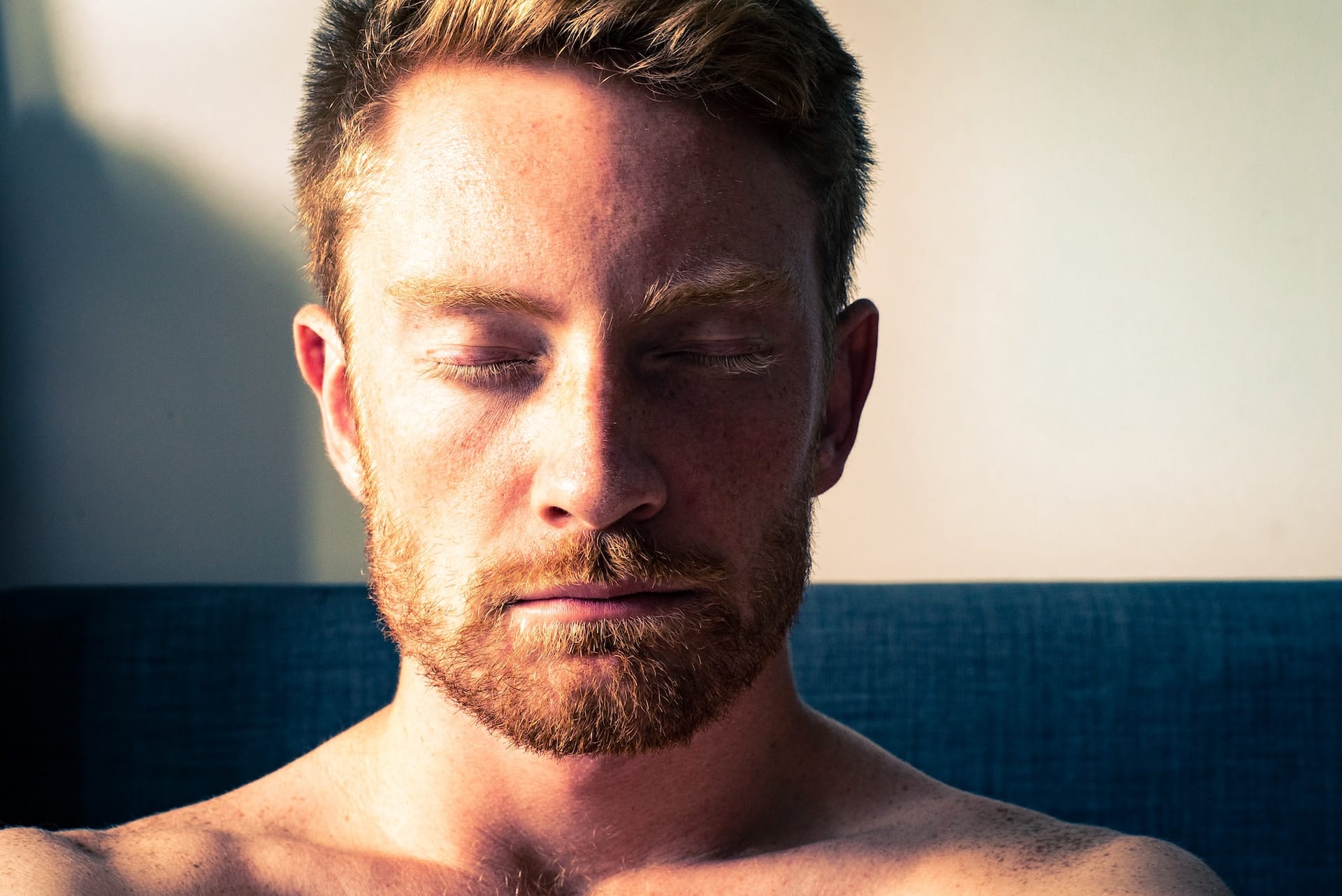
- Get comfortable and close your eyes.
- Breathe calmly and deeply, focusing your attention on the air that enters and leaves your nostrils.
- Imagine a stressful situation, then visualize yourself handling it calmly and serenely.
- Repeat to yourself mentally positive phrases such as “I am relaxed”, “I control my emotions” or “I am capable of dealing with this situation”.
- After a few minutes, gradually bring your attention back to your breathing and reopen your eyes.
Anxiety disorders: how can self-hypnosis help you?
Self-hypnosis is also very effective for reducing anxiety disorders. Here are two specific techniques to achieve this:
The technique of the energy ball
If you suffer from generalized anxiety, this technique can help you channel and transform your negative thoughts:
- Close your eyes and visualize a bright ball of energy at your solar plexus (just below the sternum).
- Imagine that this ball of energy represents your anxiety and that it grows with each breath.
- With each exhalation, visualize it becoming weaker, decreasing in size and losing intensity until it disappears completely.
- Once the energy ball has dissipated, imagine a new positive, soothing and comforting energy ball taking its place.
- Breathe deeply and feel this new energy spreading throughout your whole body, bringing you calm and serenity.
The anchoring technique
This method is particularly useful in case of anxiety crisis or panic attack:
- Sit comfortably and close your eyes.
- Breathe calmly and focus on the contact of your feet with the ground.
- Imagine that roots are coming out of your feet and plunging deep into the earth, connecting you solidly to it.
- Feel this connection providing you with a sense of security and stability, gradually reducing your anxiety.
- When you feel better, gently bring your attention back to your breathing and reopen your eyes.
By regularly practicing these self-hypnosis techniques, you can significantly improve your emotional management and reduce anxiety disorders. Do not hesitate to adapt and personalize these methods to best meet your specific needs.