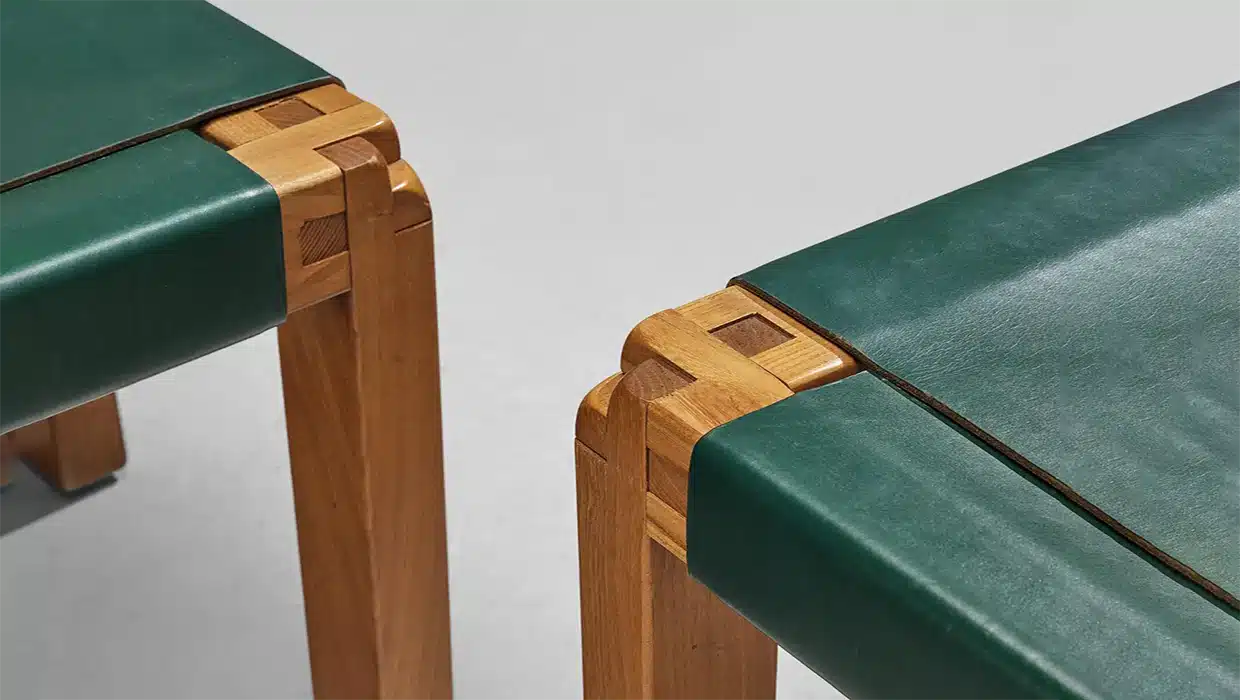


The furniture with sleek and generous shapes by Pierre Chapo return to the forefront for the great pleasure of design enthusiasts. A chance to admire again the sublime cross-legged design that adorns some models of this emblematic designer once forgotten, a must (re)discover.
When it comes to furniture, some creations are only meant to mark their era, while others withstand the test of time without aging, if not benefiting from a unique patina that gives them even more charm. Such is the case with the furniture created by Pierre Chapo (1927-1987), a French designer whose creations highlight the beauty of joinery and the essences of wood.
Furniture that brilliantly combines material, shape and function
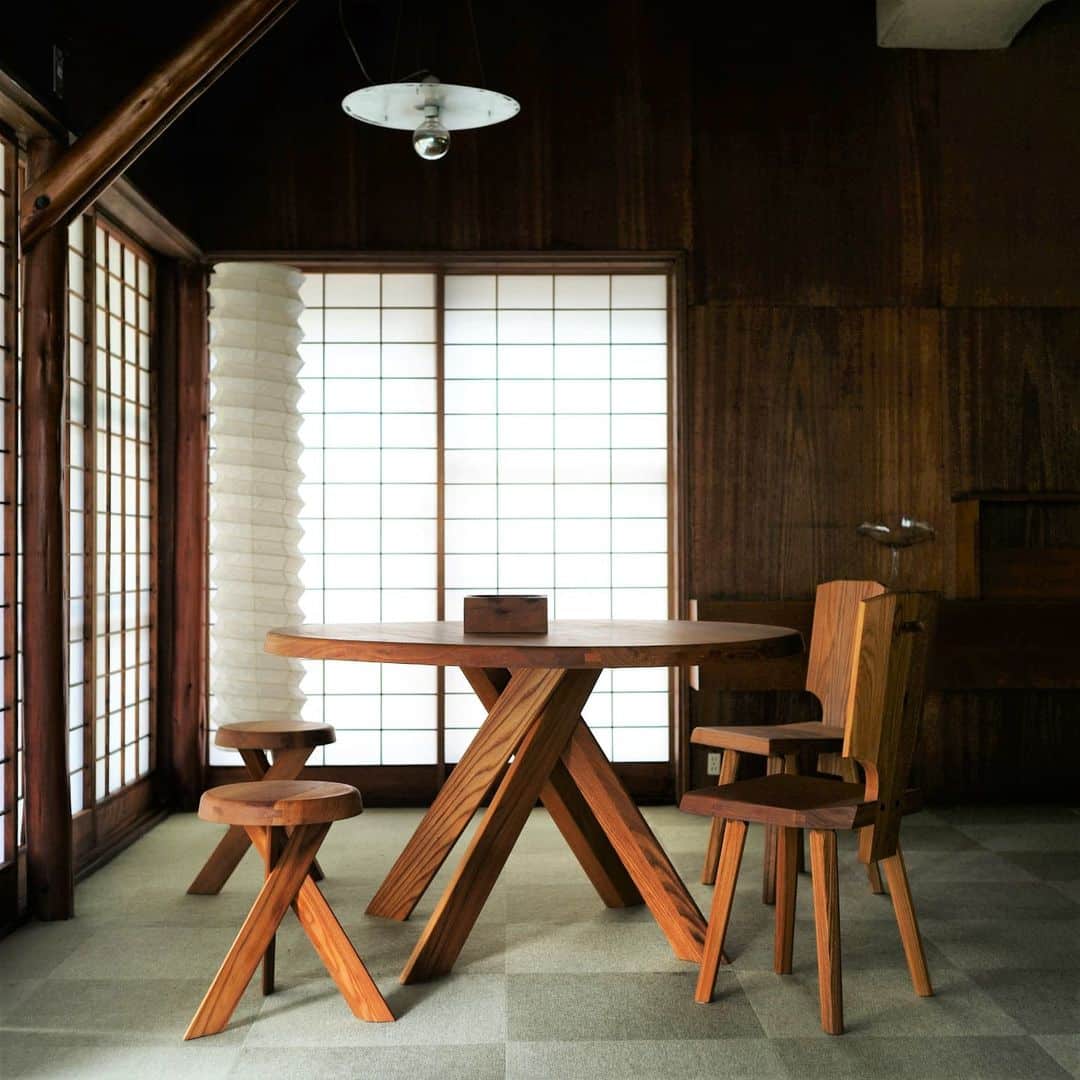
Of his furniture, Pierre Chapo used to say that they were created “with sincerity and very beautiful materials, materials that men have always touched, always worked on.” Perhaps this is the very essence of Chapo furniture: pieces whose refined aesthetic makes them functional and timeless, but above all, leave all its place to the color of the wood and its grain. These are what infuse the creations “the fantasy, the unexpected, the grace“, also carried by unique details such as the crossed base of several Chapo models. Remarkable creations, beautiful by essence and devoid of any artifice for “looking beautiful”.
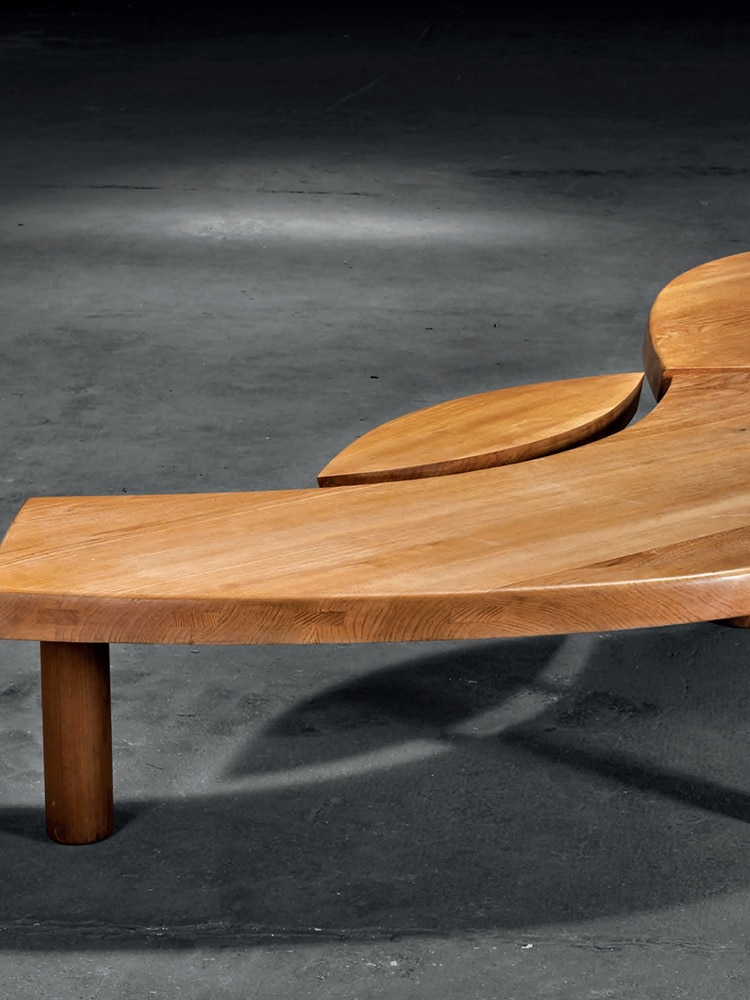
Strongly influenced by the masters of the Bauhaus artistic movement (Frank Lloyd Wright, Le Corbusier, Buckminster Fuller, Ludwig Mies Van der Rohe…) and its characteristic geometric shapes, Pierre Chapo’s creations also seem inseparable from other iconic creators of the 1950s. Creations then marked by Scandinavian design and Arne Jacobsen furniture, the Japanese aesthetic, so dear to Charlotte Perriand, but also the ceramics of Georges Jouve, with their curved and generous lines.
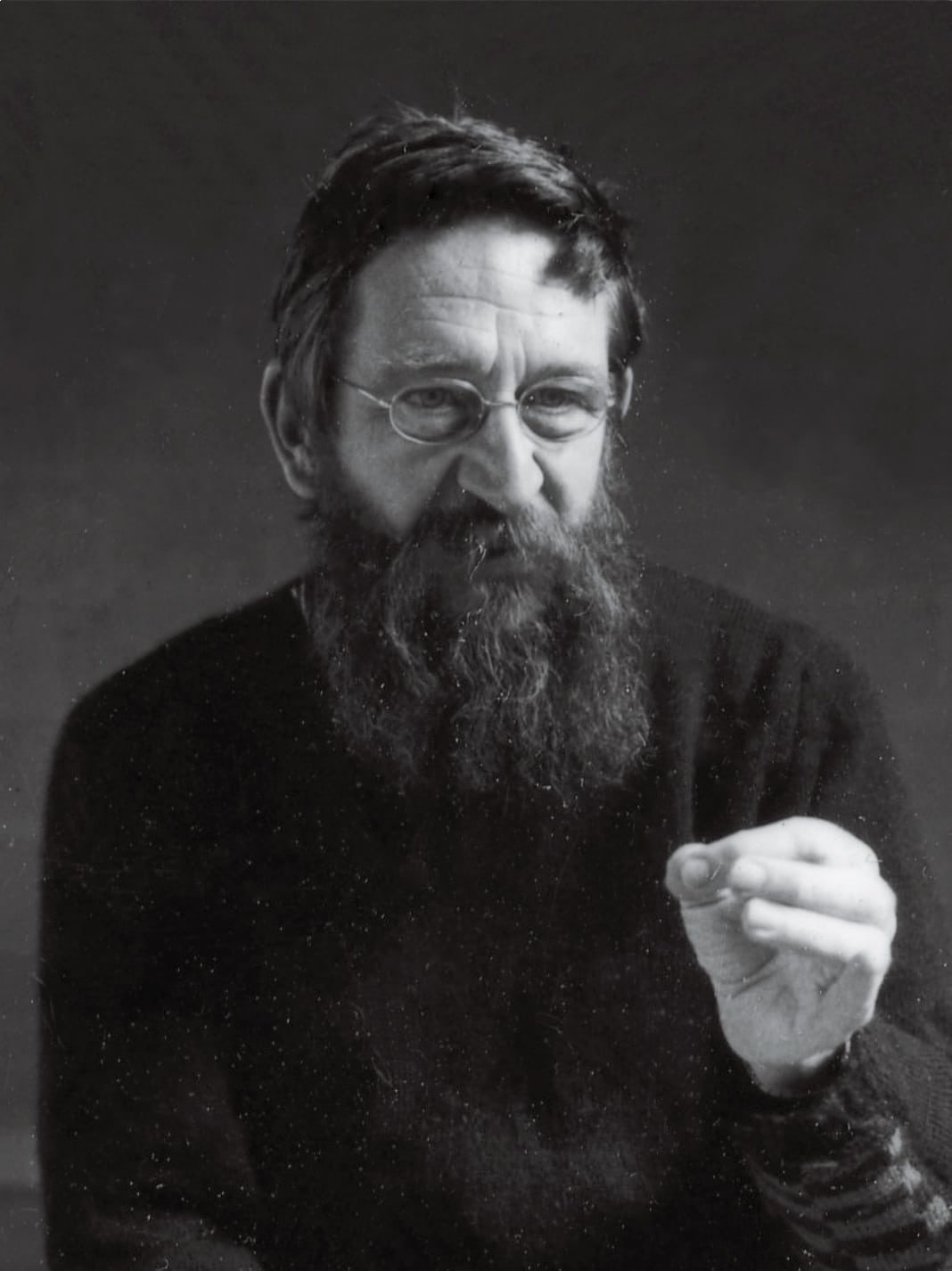
If Pierre Chapo’s furniture seems thus the fruit of the creative abundance of an entire era, they nevertheless remain instantly recognizable to those who have already laid their eyes on their unique design. A design marked by its own assembly techniques, derived from his research in carpentry and which he acquired the basics from a marine carpenter in 1947, before perfecting them at the Beaux-Arts in Paris, where he met his wife, Nicole.
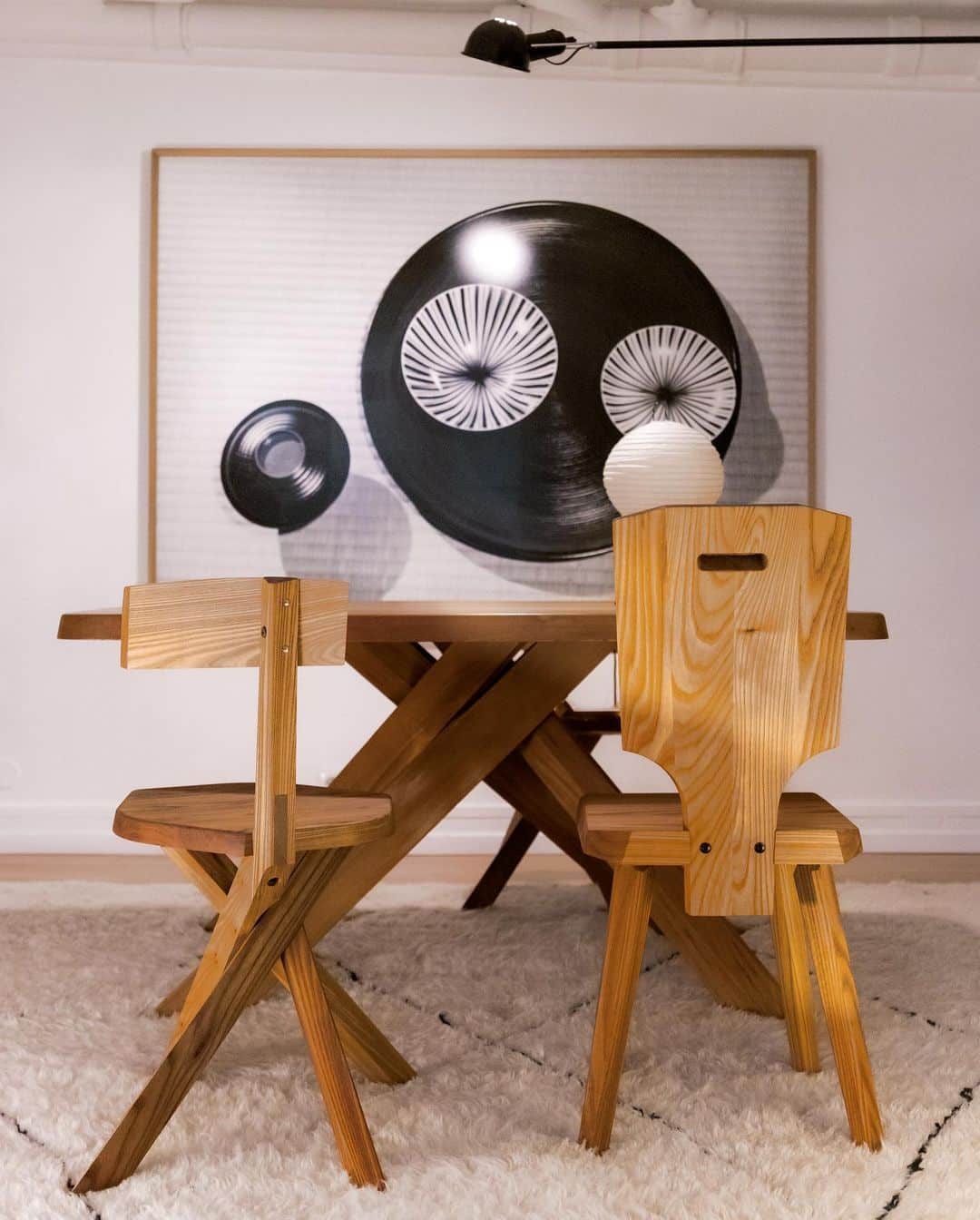
Pierre Chapo, a craftsman designer closest to nature
More than 100 models have thus been created until the disappearance of Pierre Chapo in 1987. These pieces of furniture, in addition to their design, are also distinguished by a harmonious choice of fabrics and materials, the fruit of Nicole Chapo’s (1925 – 1997) aesthetic sense, who notably clad the benches and seats in leather. The Chapo creations were then displayed from 1958 in the eponymous gallery in the 5th arrondissement of Paris, a place that serves as an exhibition space and shop. The Chapo couple also exhibited the creations of designers who would also mark their era and those to come; like Isamu Noguchi (1904-1988) and his poetic Akari lamps, or Serge Mouille’s (1922-1988) timeless lighting fixtures.
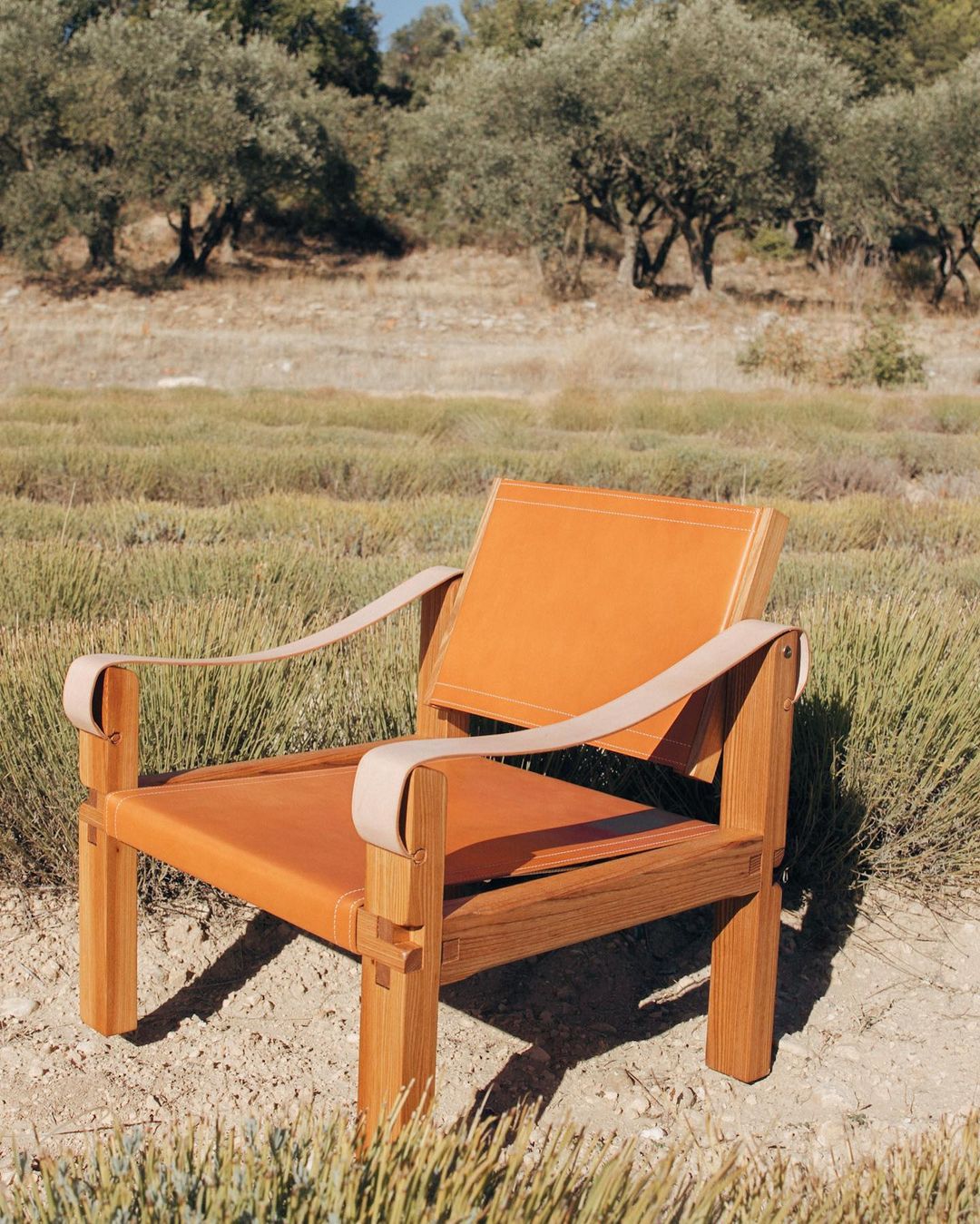
Deeply attached to Vaucluse, Pierre Chapo opened his own design workshop in the village of Gordes in 1962, as close to nature as possible. However, he encountered some difficulties making furniture in the region, which led him to partner with the Grenoble-based company Seltz, which has been working with wood for several generations. This collaboration allowed for the magnification of the wood species, highlighted by remarkable assembly work and the clean lines of the Chapo furniture, with details as functional as they are aesthetic.
Models that design enthusiasts now acquire at high prices on the second-hand market, the Pierre Chapo style being again popular for a few years due to a return to raw materials. The prices of new productions are thus significantly lower than those of vintage copies.
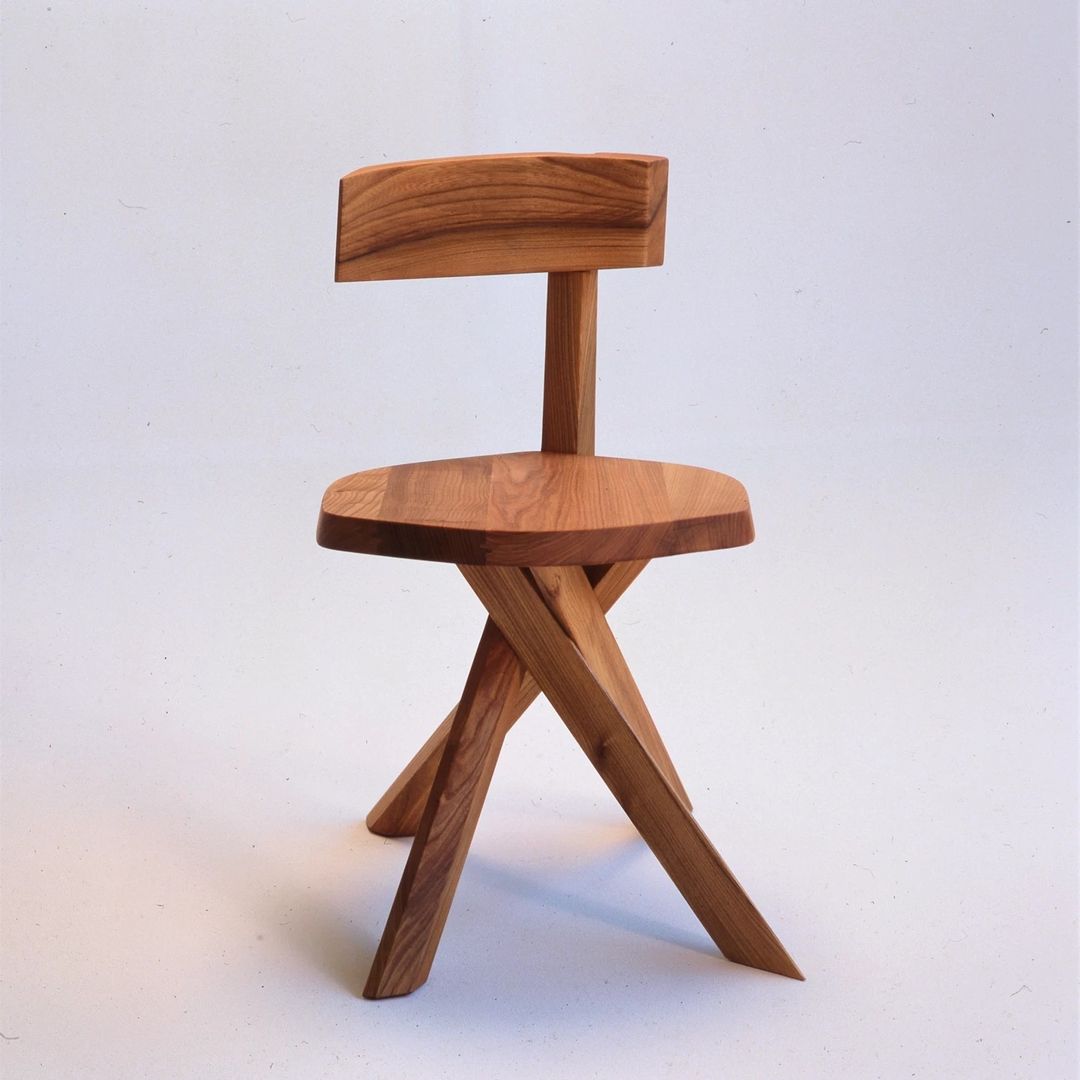
The history of Chapo furniture is now expressed in the present
For the history of Chapo furniture does not end with the end of the 20th century, as the workshop is first taken over after the designer’s death by Nicolas, his eldest son. The production, which had been interrupted for about a decade, is finally relaunched in the 2000s by Pierre Chapo’s younger son, Fidel Chapo (1967 – 2021). Growing tired of life in Paris, he goes back to his roots in Luberon, where, alongside his son Zoran and a small team of craftsmen, he revives his father’s renowned workshop. An artisanal production in small volumes, faithful to the legacy of Pierre Chapo.
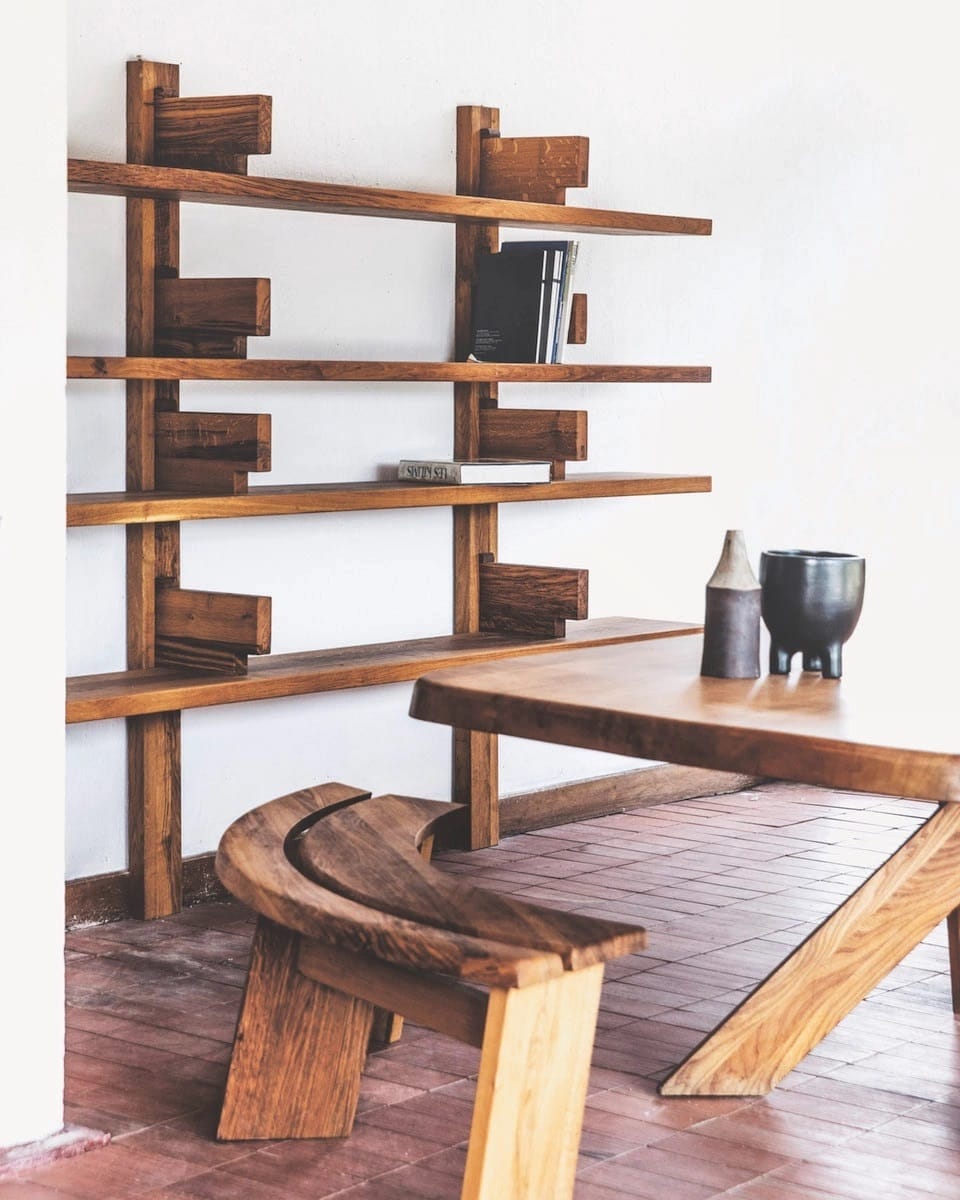
Today, almost all of Chapo’s furniture is available to order, amounting to about a hundred models true to the original designs, except for a few adjustments regarding the quality of the foam for the seats and some mounting accessories. Pieces crafted by hand in the Vaucluse workshop of Gordes, just as the furniture of the time was. Most often made from oak and elm, models from the Chapo collection are also available in ash, beech and cypress, all types of wood sourced from responsible forest management. Furniture rooted in the French tradition of exceptional artisanal furniture; in short, furniture for a lifetime.