


Thinking about restoring antique furniture not only helps preserve a piece of history and authenticity but also injects life into pieces that seem to have lost their splendor. Before diving into the vast world of restoration techniques, it is essential to understand the importance of respecting the style and the original materials of the furniture to maintain its integrity.
Assessing the condition of the furniture before restoration
The assessment involves carefully examining the furniture to identify damaged areas that require special attention. This includes checking the joints, the possible presence of wood pests like woodworms, or the condition of the finish and varnishes. This step will determine the necessary actions and prevent compromising the original structure of the furniture.
Identify the damages to be rectified
Every mark on a piece of furniture tells a story. It’s crucial to distinguish between marks that add to the character of the furniture and those that compromise its structure or aesthetics. The presence of superficial scratches doesn’t necessarily imply a complete restoration, while elements such as broken legs or weakened supports require immediate intervention.
Choice of materials for a faithful restoration
Using materials that are close to those used in the original manufacturing of the furniture is essential to preserve its authenticity. Adhesives, types of wood, varnishes, and paints must be carefully chosen to ensure consistency with the period of the furniture while guaranteeing its durability.
[bzkshopping keyword=”wood varnish”]
Adaptation to modern materials
It can sometimes prove beneficial to introduce modern materials during restoration. For example, some contemporary adhesives offer better resistance and less toxicity than their traditional equivalents. However, this adaptation must remain discreet so as not to alter the vintage appearance of the furniture.
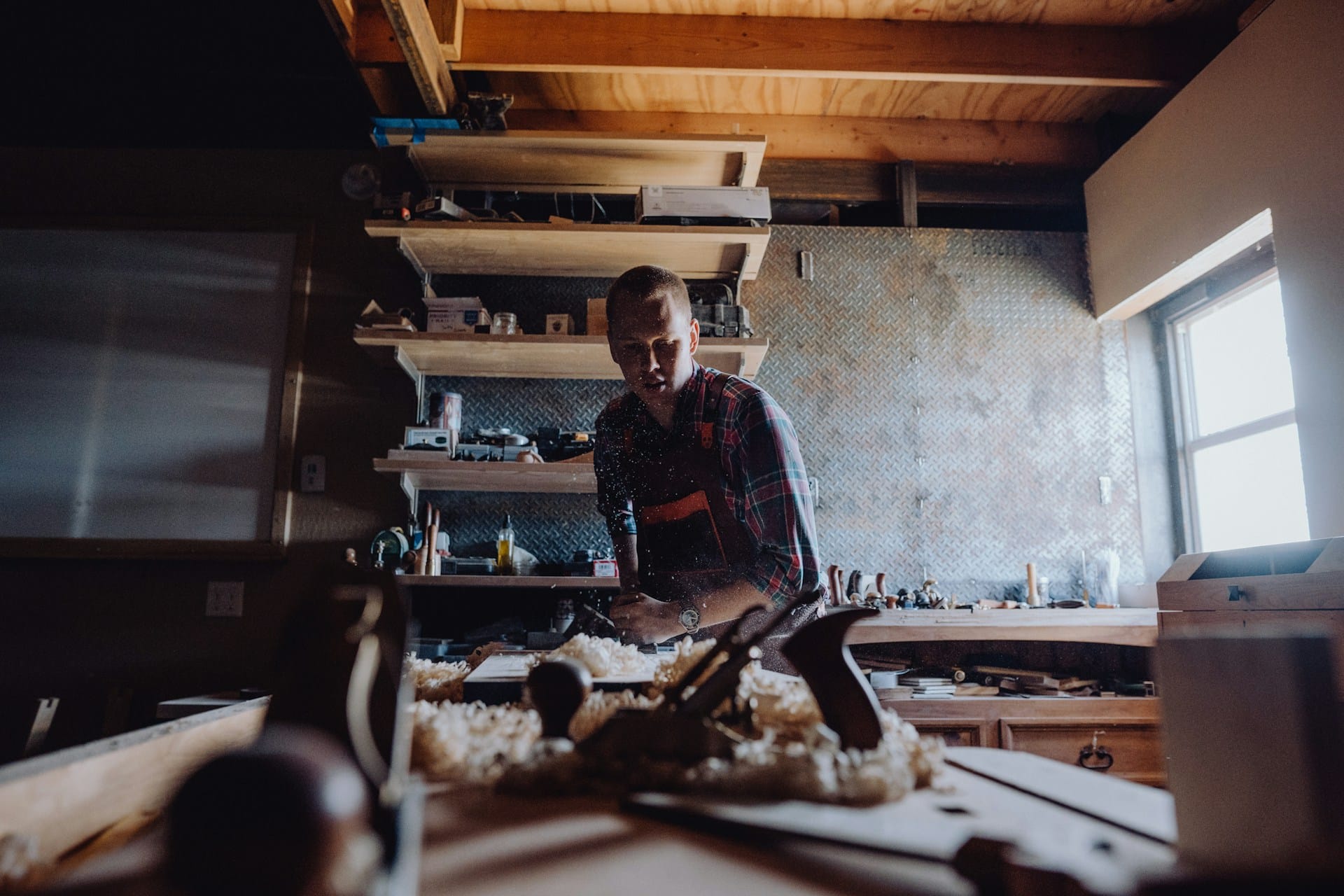
Specific Restoration Techniques
Various methods can be used depending on the type of damage encountered and the desired result. These techniques range from simple cleaning and polishing to more complex operations such as retreading or reapplying veneer.
Veneer Repair and Retreading
Veneering and retreading are often necessary when thin sheets of wood applied to furniture begin to peel off or show signs of degradation. Applying a new layer of veneer or stabilizing the existing one can revitalize a piece of furniture without sacrificing its originality.
[bzkshopping keyword=”wooden furniture veneer”]
Sanding and Finishing Techniques
Sanding is essential to prepare the surface of a furniture before applying new finishes. Choose the grit of the sandpaper meticulously so as not to damage the wood. Once the sanding is completed, different finishing options are available, such as waxes, varnishes, or paints, selected according to the style of the furniture and the desired effect.
[bzkshopping keyword=”wood furniture sanding”]
Maintenance and Post-restoration Care
After restoration, caring for your furniture is crucial to extend its beauty and functionality. Some regular actions can help to maintain the furniture’s condition in excellent shape.
Tips for daily care of restored furniture
Clean furniture regularly with mild products, avoid direct exposure to the sun and maintain an optimal level of humidity in your home are key steps to preserving your furniture. In addition, it is wise to periodically inspect restored items to ensure that no new problems have arisen.
- Regularly check the condition of seals and fixings.
- Use microfiber cloths to dust without scratching surfaces.
- Avoid the use of household sprays that can degrade the finishes.
[bzkshopping keyword=”microfiber cloths”]