
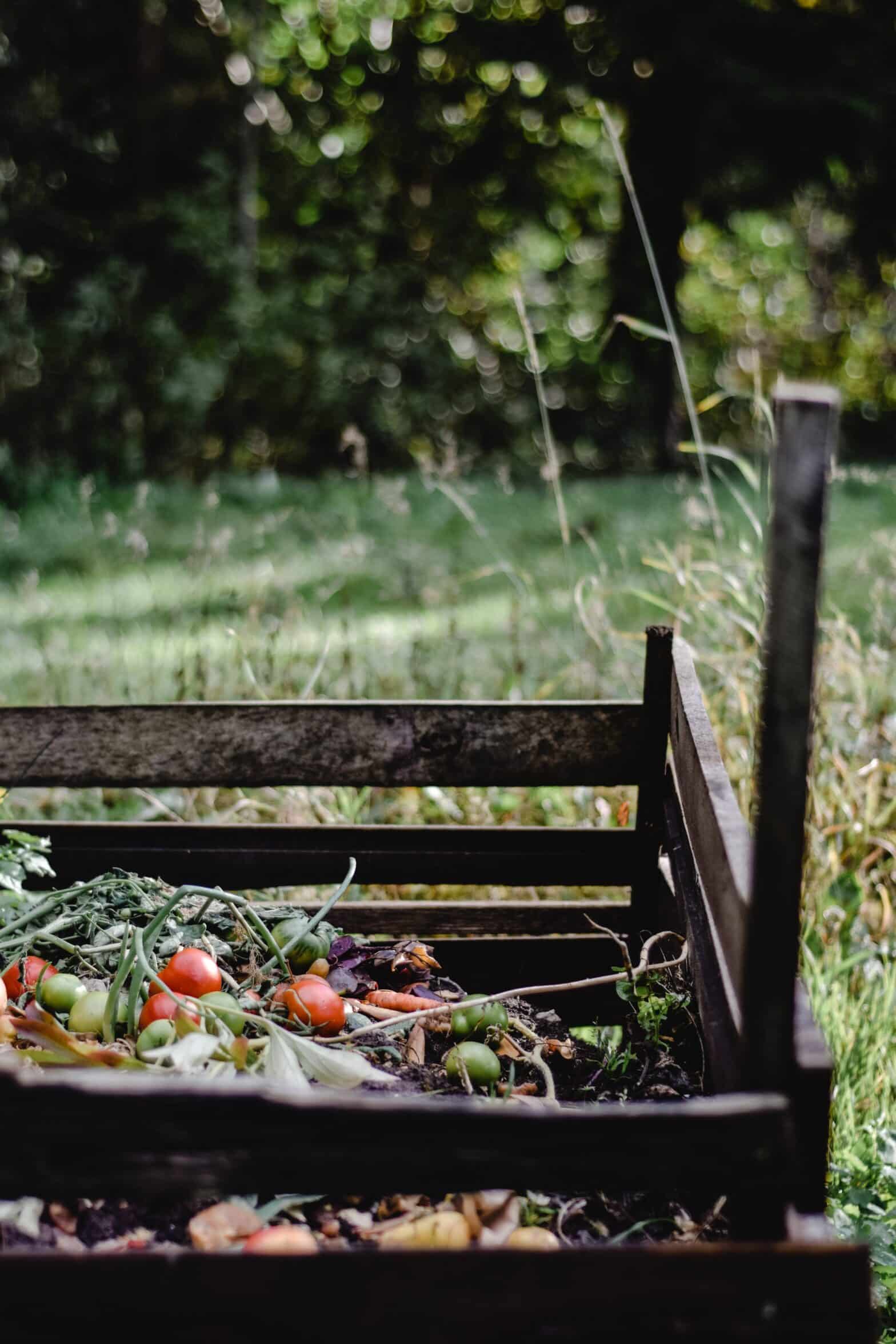

Composting is a cornerstone of eco-responsible gardening, allowing to transform kitchen and garden waste into a rich amendment that nourishes the soil and promotes the health of plants. During the winter, low temperatures can slow down the composting process, but it is entirely possible to keep your compost active and productive, even in February. Here are effective strategies to achieve it.
Insulation of the composter
The winter cold can penetrate the composter and slow down the activity of the micro-organisms essential for decomposition. To counter this:
- Wrap your composter with insulating materials such as straw, dead leaves, or an old blanket to retain heat.
- If possible, position the composter near a south-facing wall to make the most of solar heat.
Balance between “green” and “brown” materials
A good compost requires a balance between nitrogen-rich materials (“greens”) and carbon-rich materials (“browns”). In winter, this balance is crucial to maintain the internal temperature of the compost:
- Continue to add your kitchen waste (greens), but make sure to offset them with a greater amount of dead leaves, shredded cardboard, or wood chips (browns) to stimulate microbial activity.

Regular Ventilation
Oxygen is vital for decomposition. During the cold months, the compost can compact and moisten, limiting aeration:
- Aerate the compost by turning it every two to four weeks with a fork or a dedicated tool, to properly distribute oxygen, heat, and moisture throughout the pile.
Moisture Management
The compost should not be too dry or too wet. Excessive humidity is a common risk in winter:
- Protect your composter with a lid or tarp to prevent rain infiltration while allowing adequate ventilation.
- If the compost is too dry, gently add warm water to reactivate the microorganisms.
Material Cutting
Materials decompose faster when they are small:
- Pre-chop kitchen and garden waste into smaller pieces before adding to the compost to speed up decomposition, thus increasing the action surface for microorganisms.
Protection against animals
Animals can be attracted to compost in winter, in search of food and warmth:
- Ensure your composter is properly closed or choose a secure system to avoid intrusions.
Composting in winter requires special attention, but the benefits are worth it. By keeping your compost active and efficient in February, you are preparing a superior quality amendment for the spring. These practices not only promote successful composting; they also contribute to more sustainable waste management, reducing environmental impact all year round.