


Recycling rainwater to water your garden is an eco-friendly and economical practice that is gaining popularity. With increasing concerns over water resource management, this solution offers numerous benefits. In this article, discover how to set up a rainwater harvesting system at home and enhance the sustainability of your garden.
Understanding the benefits of rainwater harvesting
The use of rainwater has several considerable benefits for your garden. Not only does it reduce your water bill, but it also helps to preserve a precious resource.
- Financial Economy: Reducing dependence on network water.
- Environmental Sustainability : Conservation of groundwater resources.
- Water quality : Rainwater contains fewer mineral salts, ideal for most plants.
Choosing the Right Rainwater Harvesting System
There are different systems for collecting and storing rainwater. The choice depends on your available space and your watering needs.
Basic Systems : A simple collector under a gutter may be enough for small gardens.
Advanced Systems : For a large garden or lawn, installing high-capacity tanks connected directly to a pumping system may be more convenient.
[bzkshopping keyword=”water collection tank”]
Installing a Rainwater Collector
The installation of a rainwater collector can be carried out by any garden owner, with a few simple tools and materials.
- Position the collector : Choose a location near a gutter.
- Adjust the gutter : Cut it to attach the collector.
- Install filters : Plan on using grids to prevent debris from contaminating the collected water.
[bzkshopping keyword=”garden water filter”]
Using and maintaining your rainwater harvesting system
Once installed, it is important to know how to effectively use your recovery system to maximize its benefits.
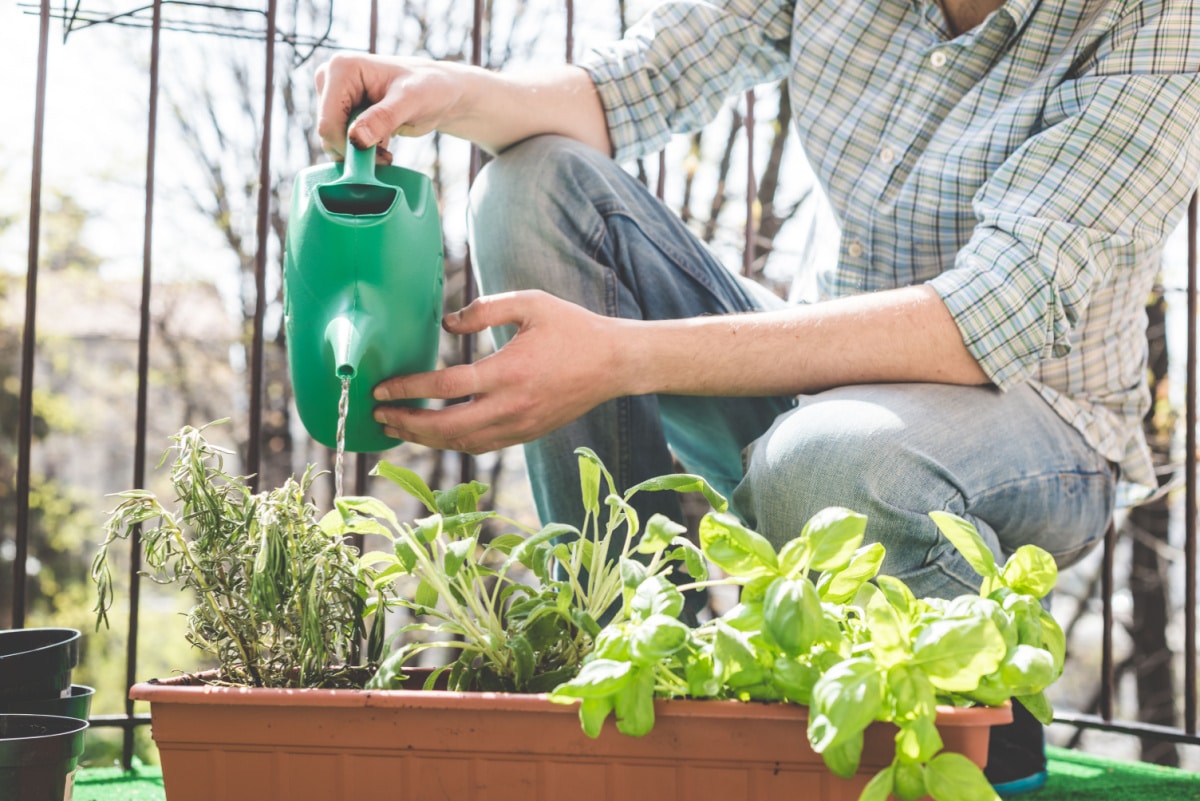
Garden watering: Use the water collected early in the morning or late in the evening to minimize evaporation.
Maintenance Regularly: Periodically check the condition of your tanks and filters to ensure water quality.
Regulation : Comply with local laws
Although recycling rainwater is a encouraged practice, some regions impose specific regulations.
Inform yourself with local authorities : Before you begin, make sure you are aware of any applicable regulations.
Standards compliance : Please ensure that your facility meets the local security and hygiene prerequisites.
Practical tips for optimizing the use of rainwater
To get the most out of your rainwater harvesting system, here are some practical tips.
- Adapted plants : Plant local species resistant to drought.
- Mulching: Use mulch around plants to retain moisture.
- Targeted irrigation : Water directly at the roots to avoid waste.
Alternatives and comparisons: Other sustainable irrigation methods
If recycling rainwater is not feasible at your place, consider these other sustainable watering options.
Xeriscaping : Landscaping dedicated to minimizing the use of water.
Drip irrigation: An irrigation system that delivers water directly to the roots, reducing waste.
[bzkshopping keyword=”drip irrigation water”]
Expert coaches in natural gardening
For those who wish to delve deeper into the ecological maintenance of their garden, turning to specialized coaches can be very beneficial.
Personalized advice : An expert will be able to assess your land and propose customized solutions.
Training and workshops : Learn advanced techniques and exchange with other passionate gardeners.
[bzkshopping keyword=”natural gardening guide”]