


Preparation of the concrete surface
To ensure a successful installation of your artificial lawn on a hard surface like concrete, soil preparation is essential. First of all, make sure that the surface is clean and smooth. Remove all dirt, debris, or substances that may prevent the grass from adhering. If necessary, use a high-pressure cleaner to remove any traces of pollution or chemical residues. It is also important to check the levelness of the surface. Use a bubble level to ensure that the ground does not have large irregularities that could affect the laying and final appearance of the grass.
[bzkshopping keyword=”high pressure cleaner”]
[bzkshopping keyword=”spirit level”]
Porosity Control and Drainage
Good management of rainwater is crucial when installing synthetic turf on concrete. Check the concrete’s drainage capacity and consider applying a permeable resin if necessary. This will prevent water accumulation under the turf, thus reducing the risk of slipping and mold development.
Choosing the Appropriate Synthetic Turf
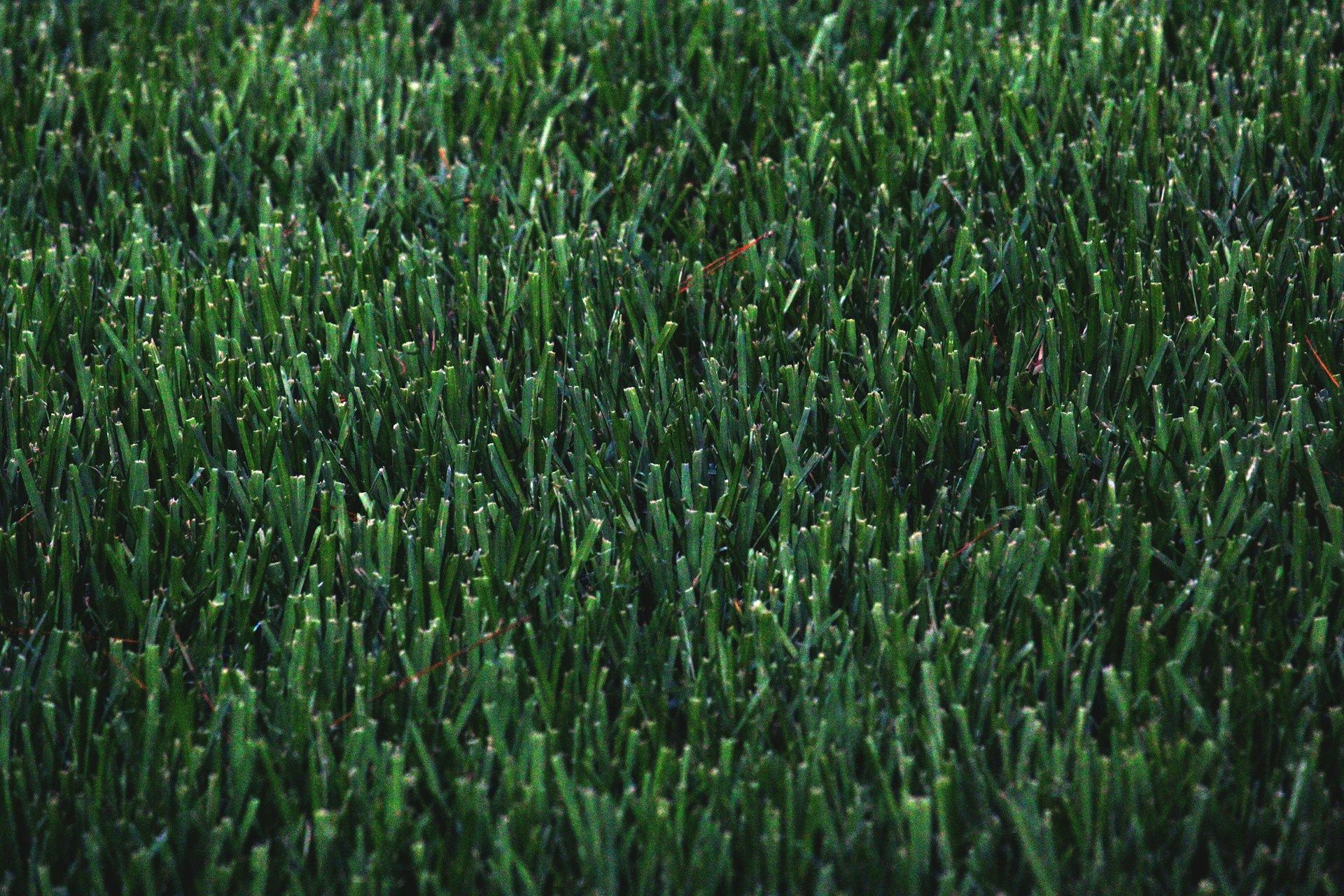
Various types of artificial grass are available on the market, each suited to specific needs. For a concrete surface, opt for grass with a well-structured backing and capable of withstanding weather variations. Also consider the desired aesthetics: some grasses offer a more natural look with different shades of green and blades of different lengths.
[bzkshopping keyword=”artificial grass”]
Comparison of textures and comfort
When choosing your artificial lawn, consider not only the aesthetics but also the comfort. High-end products tend to be softer to the touch, which can be particularly pleasant in areas of outdoor relaxation. On the other hand, more robust textures may be favored in areas of high traffic or for sports applications.
Method of laying synthetic grass
The installation of synthetic grass on concrete does not require soil or sand as a base. However, the use of self-adhesive tape or specific glue for joints may be necessary to properly fix the grass to the ground, especially if the surface is exposed to a lot of movement or extreme weather conditions.
[bzkshopping keyword=”synthetic grass glue”]
Step by Step Installation
- Start by unrolling the lawn and positioning it precisely on the area to be covered, leaving it to rest for a few hours so that it takes its final shape.
- If several strips of turf are needed, make sure the fibers are oriented in the same direction for a uniform appearance.
- Cut off the excess material with a cutter.
- Apply the special glue to the edges and press firmly to fix the joints.
- Finally, brush the grass to straighten the fibers and give a more natural look.
[bzkshopping keyword=”synthetic lawn brush”]
Synthetic Grass Maintenance
Maintaining your synthetic grass in good condition will extend its lifespan and preserve its attractive appearance. Although it requires little maintenance, it still needs a minimum of attention. Regularly brush the surface with a non-metallic brush to prevent the fibers from flattening. Clean occasional stains with a mixture of water and mild soap. In case of chewing gum falling or any other sticky substance, use ice to harden the residue, thereby facilitating its removal.
Frequently Asked Questions
How long does synthetic grass last?
Generally, a quality synthetic turf can last from 10 to 20 years, depending on the intensity of use and care provided.
Can synthetic grass be laid on any type of concrete?
Yes, as long as the surface is flat, stable and well-drained. Additional treatments may be necessary to improve adhesion or drainage depending on the specific case.
Thanks to these simple but effective techniques, installing artificial grass on a concrete surface becomes a feasible project that instantly transforms the look of your outdoor space.