


The month of May is a key turning point for gardeners, often marking the start of summer plantings after the last frosts. It’s the ideal time to plant vegetables that will benefit from the long and generous growing season.
Planting in May allows for not only maximizing growth time before summer heat, but also for a staggered harvest, providing you with fresh vegetables over several months. Here are six vegetables that you should consider planting now, for a vibrant and productive vegetable garden.
Every vegetable selected for this list is chosen for its ability to thrive with a late start in the season, ensuring success and satisfaction even for beginner gardeners.

1. Tomatoes
Tomatoes are essential in a vegetable garden. To plant them in May, choose a well-sunned site and sheltered from the wind. Use stakes or tomato cages to support their vertical growth, which is crucial to prevent diseases and facilitate harvesting.
Remember to space them out sufficiently for good air circulation, which reduces the risk of foliar diseases.
2. Zucchinis
Zucchinis are among the most rewarding vegetables to grow because of their abundant production. Plant them in open ground in a cleared area, as they tend to spread out.
They prefer a rich and well-watered soil. To avoid diseases, keep the leaves dry and do not wet the fruits when watering.
3. Green Beans
Green beans grow quickly and do not require much care once established. Plant them in lines, making sure to leave enough space between each seed.
They need well-drained soil and exposure to the sun. For pole beans, make sure to provide support for their climbing growth.
4. Peppers
Peppers love heat. Plant them in a sunny spot and sheltered from cold drafts. As with tomatoes, using mulch can help retain soil heat, maintain moisture, and prevent weeds.
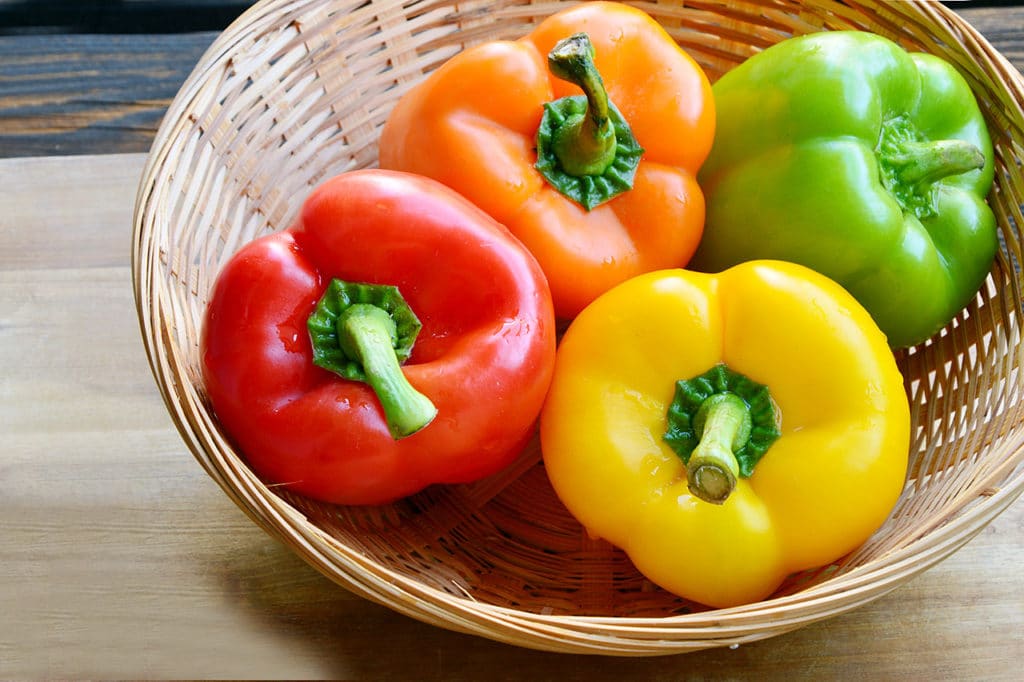
Peppers require a nutrient-rich soil, so a regular supply of fertilizer is recommended after planting.
5. Beets
Easy to grow, beets can be used both for their roots and their foliage. Sow directly in the ground in rows, spacing the seeds to avoid late thinning.
Beetroots prefer a light soil and exposure to the sun or partial shade. Keep the soil evenly moist to promote regular growth.
6. Carrots
Carrots require a sandy and well-drained soil to grow properly. Avoid hard or clayey soils to prevent forked roots.
Sow the seeds directly in place and thin them out once they are a few centimeters high to give each carrot space to grow freely.
Planting these vegetables in May will not only allow you to enjoy a generous harvest throughout the summer and autumn, but also connect you to the earth and appreciate the fruits of your labor.
It is a rewarding activity that can bring you closer to your environment and provide you with a source of healthy, local food. Think of these tips as tools to enrich your gardening experience, and enjoy every step of this green adventure.