
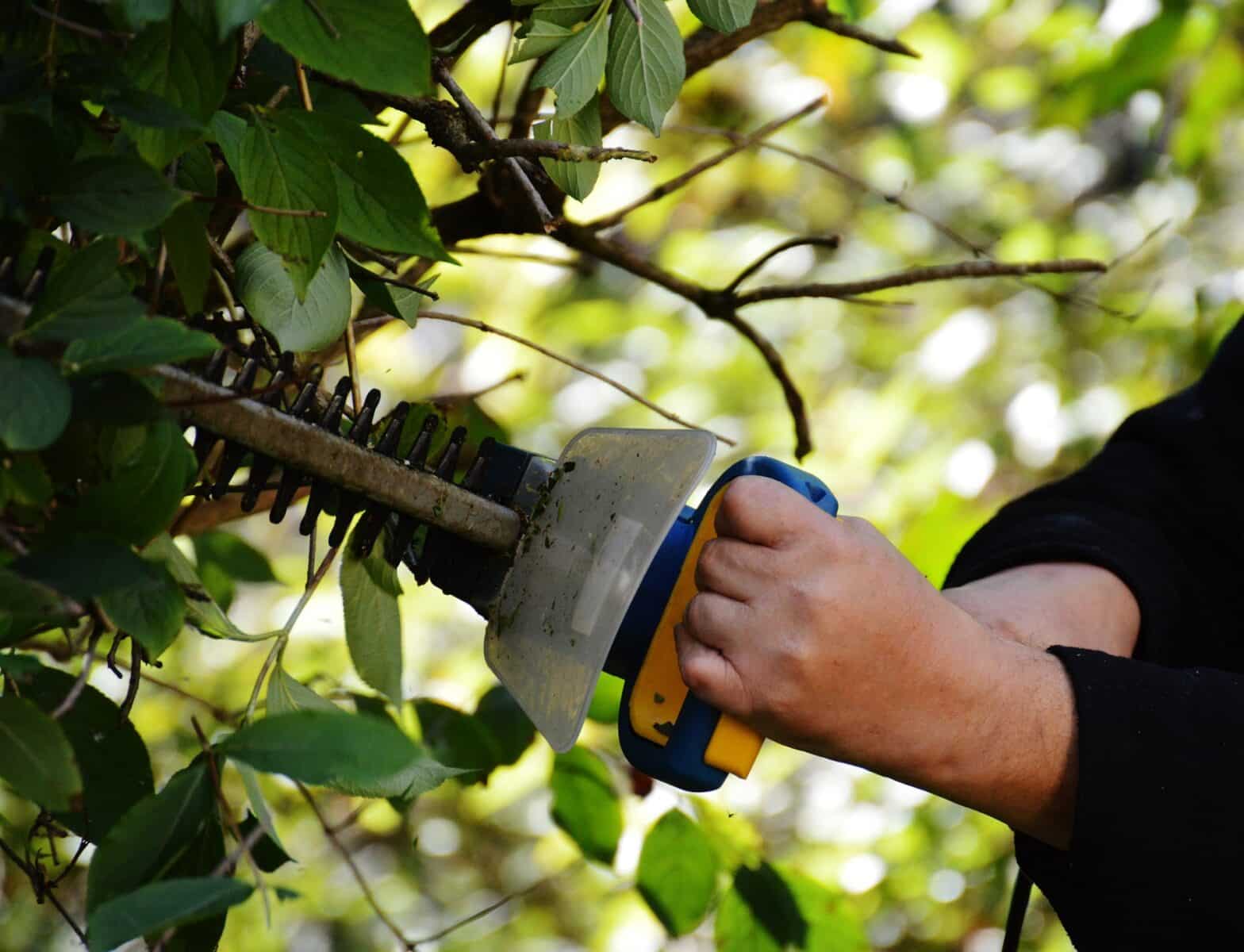

The beginning of spring is the ideal time to prune your trees, shrubs and hedges to promote their growth and maintain a tidy appearance. However, it can be difficult to know what are the best techniques and practices to adopt to get optimal results. In this article, we will guide you by giving you valuable advice to succeed in your spring pruning.
Spring Pruning of Trees
Pruning trees in the spring has certain advantages. Notably, it reduces the amount of sap that flows when cutting, which facilitates wound healing and prevents the spread of diseases. Here are some general recommendations for effectively pruning your trees:
- Remove dead or damaged branches: this step is crucial for preventing health problems in the tree and avoiding its growing in a disorderly manner.
- Remove the suckers: these vigorous shoots often develop at the base of the tree and take a lot of energy without providing any benefits, so it is recommended to eliminate them.
- Respect the cutting angle: to ensure good healing, it is important to cut branches while respecting the collar, this area located between the trunk and the branch.
- Do not prune too much: preserve at least two-thirds of the branches to allow the tree to have balanced growth. Also avoid exceeding a cutting diameter of 5 cm to limit the risk of disease.
Specific size according to the type of tree
Some trees require pruning tailored to their variety and age:
- The fruit trees: The spring pruning mainly aims to promote fruiting by eliminating dead wood and reducing branches that compete with the fruit.
- Conifers: they generally do not require much maintenance, but you can cut the ends of the branches if you wish to stimulate the density of the foliage.
- Deciduous trees: among these species, some like maple or birch can produce a significant amount of sap in the spring. It is then preferable to prune them earlier at the end of winter.
Spring Pruning of Shrubs
The size of shrubs can vary according to their type (spring flowering, summer or evergreen) and their function (ornamental, honey-producing, hedges, etc.). To implement good pruning practices, keep these tips in mind:
- Respect the natural shape of the shrub: pruning too rigorously can compromise its aesthetic appearance and weaken it.
- Prune spring-flowering shrubs after blooming: this allows you to avoid removing the floral buds that have formed during the winter and fully enjoy the flowers.
- Prune summer-flowering shrubs at the beginning of spring: pruning should take place before the buds bloom to stimulate growth and promote flower production.
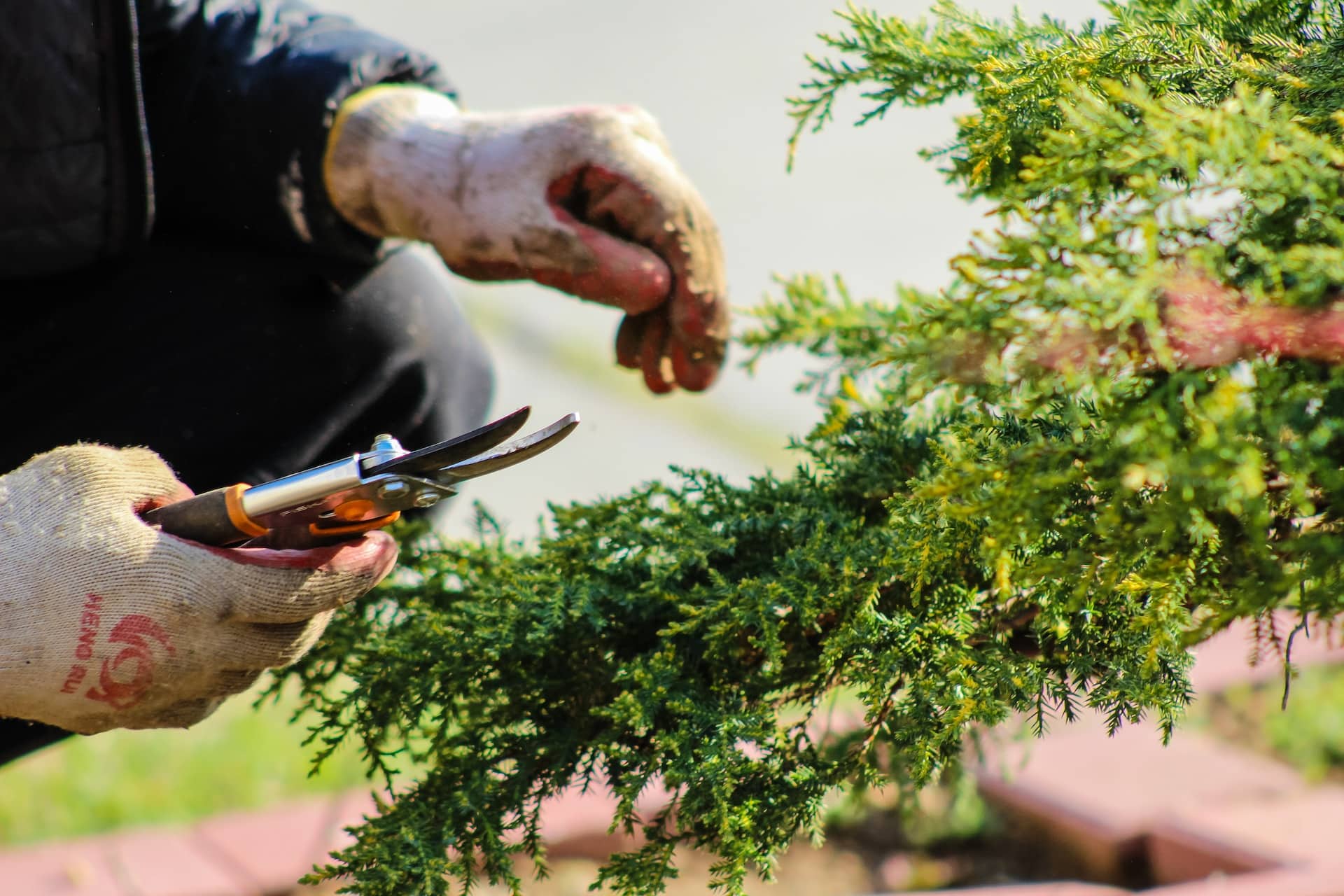
Practical implementation of shrub pruning
For a successful cut, here are some steps to follow:
- Remove dead or damaged branches: this operation facilitates aeration and light penetration, essential conditions for the good health of the shrub.
- Prune the main branches: this action helps strengthen the bush’s structure and guide its growth.
- Remove thin stems and vertical shoots: they can create shaded areas and prevent some buds from developing.
- Prune secondary branches: this way, you’ll promote branching and leaf density.
Spring Pruning of Hedges
Regular trimming of hedges is essential to maintain a harmonious and dense shape. To do this, two methods can be used:
- Pyramid or trapezoid pruning: this involves trimming the top of the hedge slightly narrower than its base. This method facilitates light penetration to the lower branches and ensures uniform growth.
- Notch cutting: this technique alternates between cut areas and those left free to allow specific species like birds to inhabit and create a natural ecosystem.
Good Practices for Successful Pruning
To achieve the best results when trimming your hedges, follow these tips:
- Choose the right time: prioritize the early spring period before new shoots appear.
- Use a suitable tool: prefer a hedge trimmer with a sharp blade to ensure clean cuts and avoid injuring plants.
- Prune at regular intervals: Depending on the growth rate of your hedges, it is recommended to prune them 2 to 3 times a year to achieve optimal results.
[bzkshopping keyword=”hedge trimmer”]
By following these recommendations and expert advice, you will be able to successfully complete your spring pruning and promote the health and aesthetics of your trees, shrubs, and hedges. Don’t forget to take into account the specificities of your plantings and adapt your pruning techniques accordingly. Happy pruning!