


During this period of heavy rains in France, maintaining a thriving vegetable garden becomes a real challenge for both amateur and professional gardeners. Excess water can cause many problems, notably soil congestion, which affects the health of the roots and, by extension, the entire plant.
One might think, sometimes wrongly, that water is a friend to plants… yes, up to a certain point!
Understanding the impact of water on roots
The roots of plants need oxygen to breathe; a waterlogged soil limits this access to oxygen, leading to root diseases and, in the most severe cases, plant death.

Moreover, a water-saturated soil prevents the roots from properly absorbing essential nutrients, thereby weakening the plants.
Solutions for effective drainage
- Evaluate the composition of your soil : Clay soils retain water longer than sandy soils. If necessary, improve the drainage by incorporating sand or organic matter like compost, which increases the porosity of the soil.
- Create mounds or raised beds : Elevating your crops allows water to drain more easily and prevents the roots from being constantly in water. This technique is particularly useful for gardens located in flood-prone areas.
- Install a drainage system: For particularly wet areas, consider installing a drainage system at the bottom of your raised flower beds or in your garden. Buried perforated pipes can help evacuate excess water to a more suitable location.
- Use mulch: Covering the ground around your plants with mulch helps to prevent excessive water evaporation, while allowing the soil to breathe and dry out more quickly after rain.
- Choose suitable plants: Some plants tolerate humidity better than others. Consider planting species that thrive in wet conditions or that have high water needs in areas most prone to waterlogging.
Fast monitoring and intervention
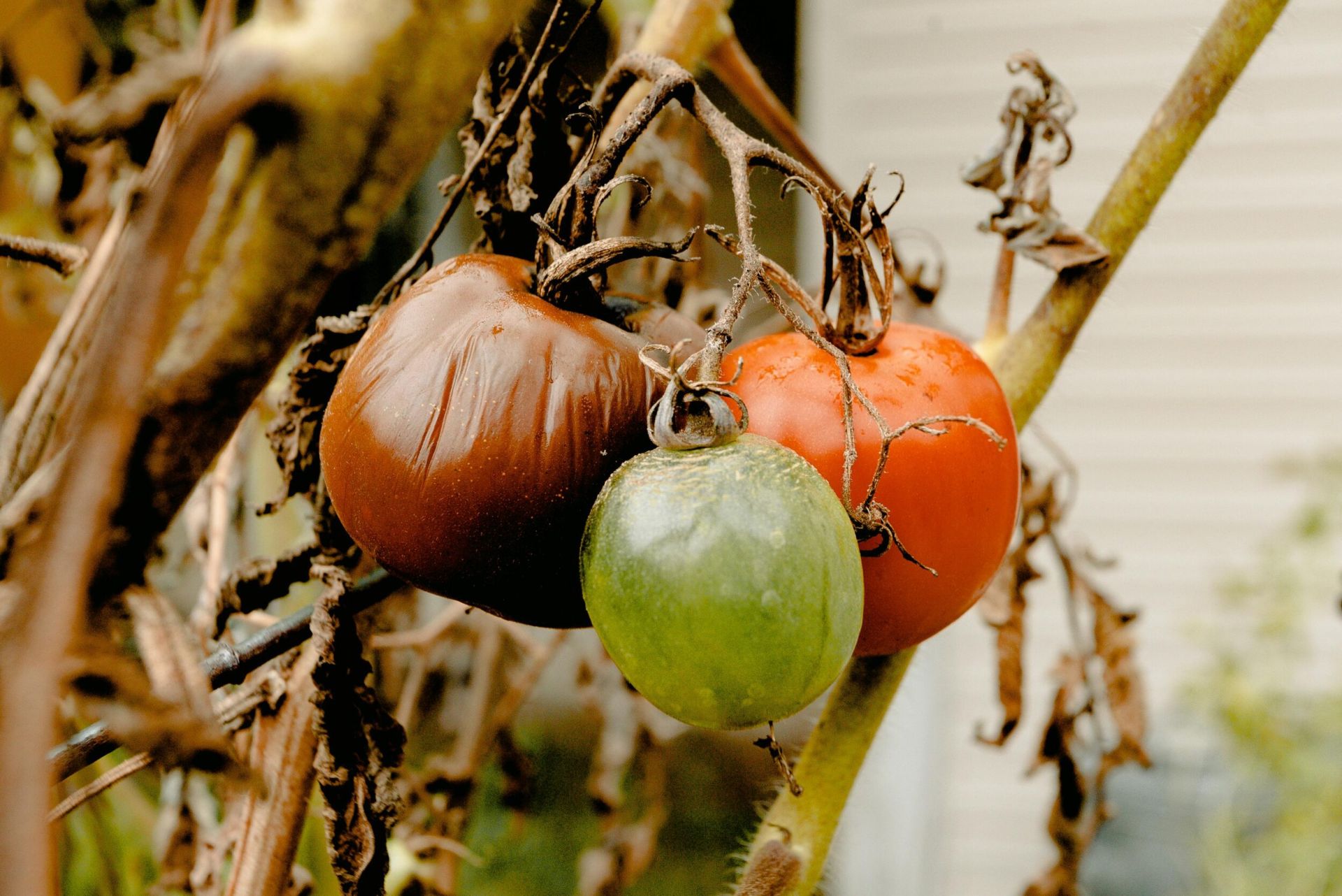
- Monitor signs of water stress: Yellowing leaves, slowed growth, or root rot are signs that your plants are suffering from excess water. Act quickly to adjust your drainage or care strategies.
- Aerate the soil: Use a fork to gently aerate the soil around the roots. This will help increase air circulation and reduce soil compaction.
- Adjust your watering schedule: During periods of heavy rain, reduce or completely stop watering your vegetable garden to avoid adding even more water to the already saturated soil.
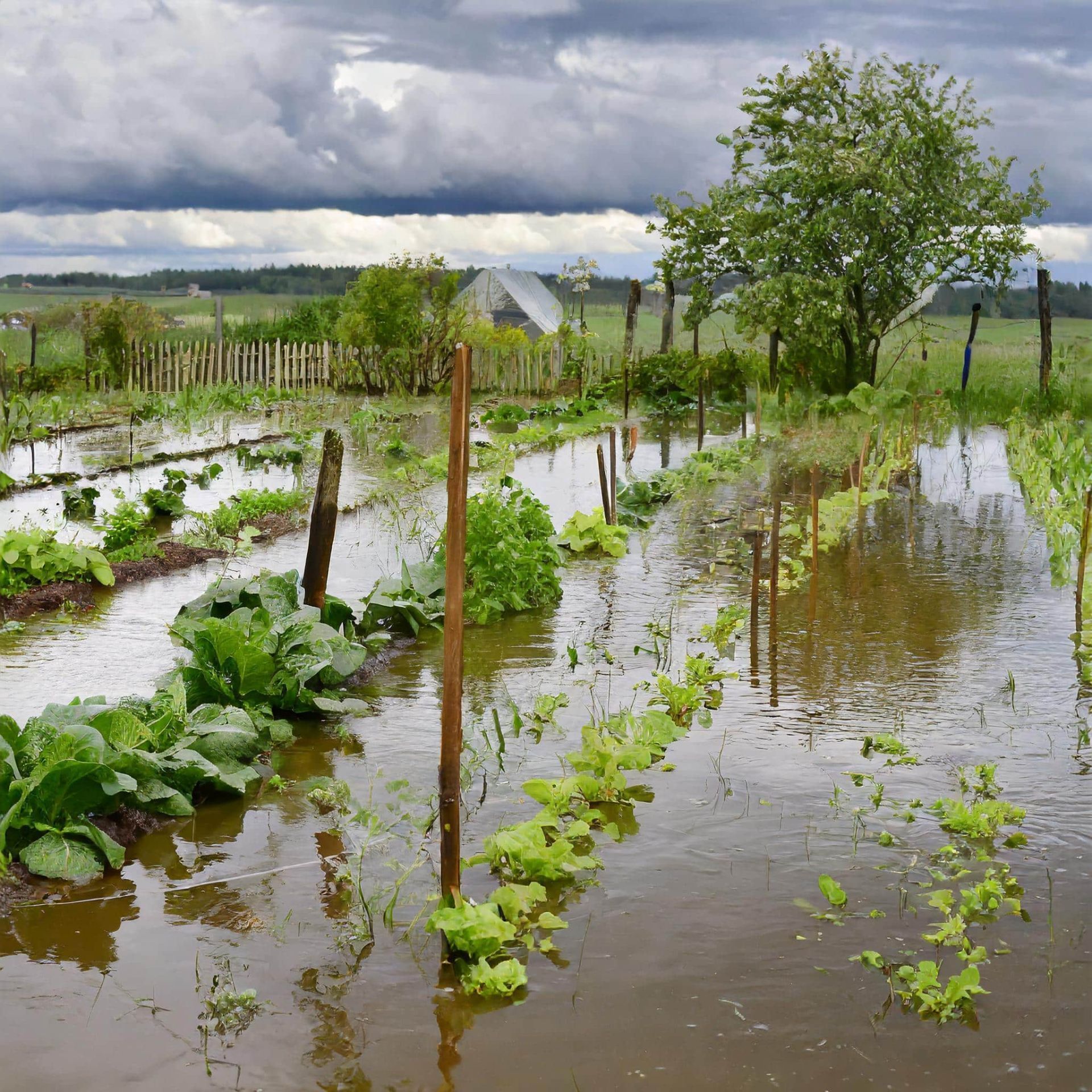
Excess water can pose a real challenge for the gardener, but with the right techniques and a bit of foresight, it is possible to maintain a healthy and productive vegetable garden, even during periods of heavy rain.
By adapting your gardening practices to weather conditions and taking proactive measures to ensure good drainage, you can help your plants thrive despite the whims of the weather.