


The start of spring is the ideal time to plan and prepare your vegetable garden. Among perennial vegetables, some aromatic herbs are perpetual, meaning they regrow and regenerate each year without needing replanting. By planting these 5 perennial herbs in March, you can benefit from a tasty harvest throughout the year.
Chives: a timeless classic
Easy to grow and not demanding, the chives (Allium schoenoprasum) is a perennial herb highly appreciated for its delicate flavor, reminiscent of onion. It easily adapts to various types of soil and climates and resists well against pests. Chives can be grown in the ground or in pots and just requires a well-sunned or semi-shaded spot.
How to plant it?
Sow chive seeds directly into the ground from March, in a good sized pot or in a well-exposed location in the garden. Young plants can also be purchased ready to be transplanted. Be sure to space the plants about 15 to 20 cm apart to allow them to grow properly.
[bzkshopping keyword=”plants ciboulette”]
Thyme: a Mediterranean aroma
The thyme (Thymus vulgaris) is a perennial aromatic herb very common in gardens and vegetable patches for its intense flavor and medicinal properties. Its powerful taste makes it an excellent seasoning for many dishes, especially grilled ones.
Why plant it in March?
March is a good time to plant thyme, as it is a hardy plant that copes well with temperature variations. Additionally, it prefers well-drained soil and can even tolerate drought, making it suitable for cultivation in regions with less forgiving climates. It can be grown in the ground or in a pot, provided it is well watered in case of a significant drop in temperatures.
How to plant it?
Sow thyme seeds directly in place from March, about 1 cm deep, in a light, well-drained soil. Plants can also be purchased ready for transplanting.
[bzkshopping keyword=”graine de thym”]
Welsh onion: an alternative to onion
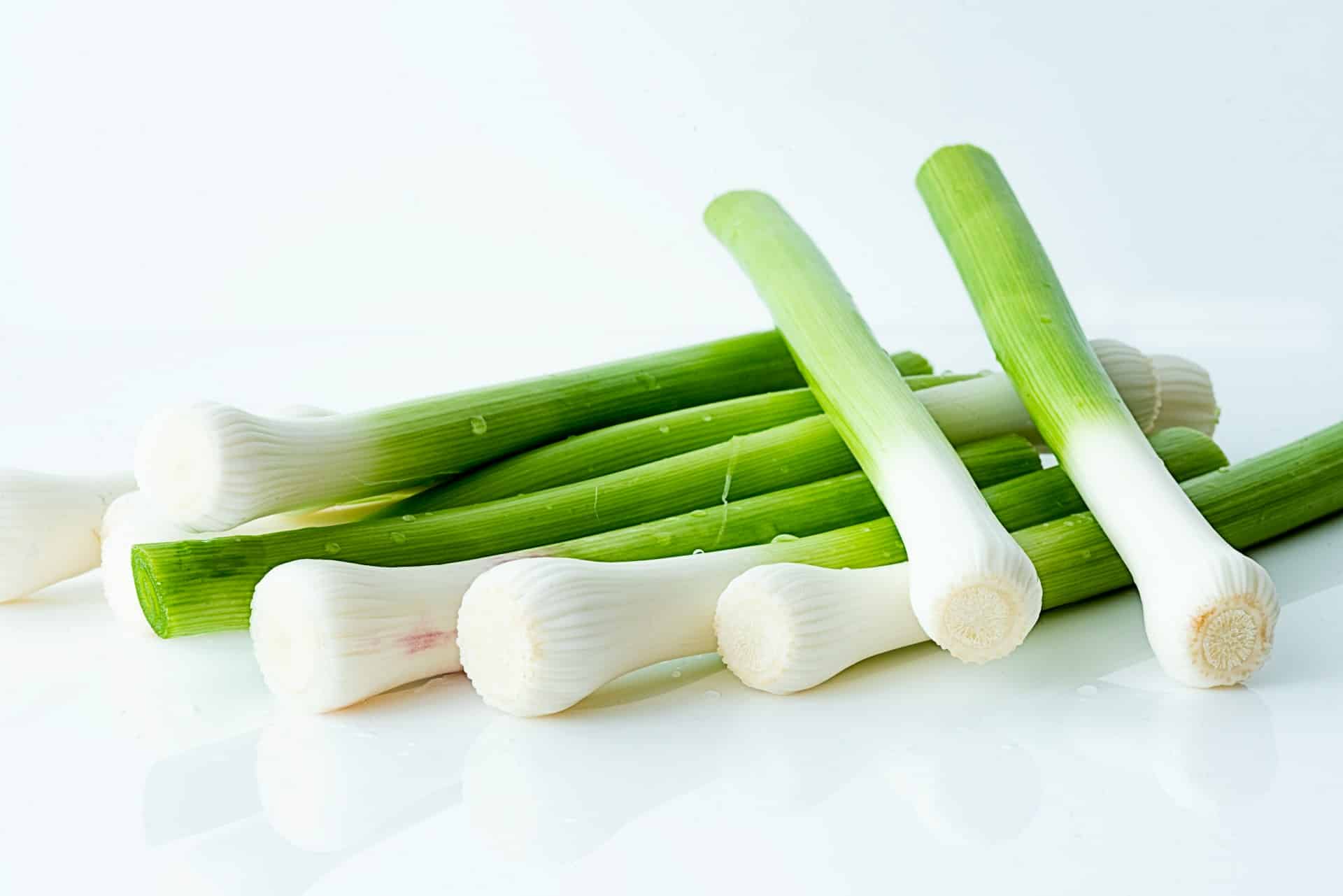
The welsh onion (Allium fistulosum), also known as Japanese scallion, is a perennial herb with a slightly sweet and mild taste that is similar to that of a fresh onion. It is commonly used as an ingredient in salads, omelettes and soups.
How to cultivate it?
The spring onion is a hardy plant that can be sown from March in open ground or in a pot. Spread the seeds about 2 cm deep and space them about 15 cm apart, so that the plants can develop properly. It will be possible to start harvesting the first stems when these reach about 15 cm in height.
[bzkshopping keyword=”plants ciboule”]
Oregano: a must-have for Italian cuisine
The oregano (Origanum vulgare) is a perennial herb greatly appreciated for its warm and camphorated flavor which perfectly complements recipes for pizza and tomato sauces. Its purple-pink flowers also attract pollinators to the garden.
How to plant it?
Sow the oregano seeds in March, directly in place or in a pot on a light and fertile soil. The plants can also be purchased ready to be transplanted. Space the plants about 30 cm apart, to allow them to develop well. Water regularly, especially during periods of drought.
[bzkshopping keyword=”plant origan”]
Perennial parsley: an additional Mediterranean touch
The perennial parsley (Petroselinum crispum) has a slightly stronger flavor than traditional flat parsley. It is used as a condiment to enhance the taste of various dishes such as soups, meats, and vegetables.
How to cultivate it?
Sow the seeds of perennial parsley directly in place from March, in a rich and well-drained soil. The plants can also be purchased ready to be transplanted. Space the plants about 30 cm apart and water regularly to maintain a moist but not waterlogged soil.
[bzkshopping keyword=”plant persil”]
In summary, planting these 5 perennial herbs in March ensures you can enjoy their flavors throughout the year. Do not hesitate to incorporate these aromatic plants into your garden, they will enhance your daily recipes for the greatest pleasure of your taste buds!