
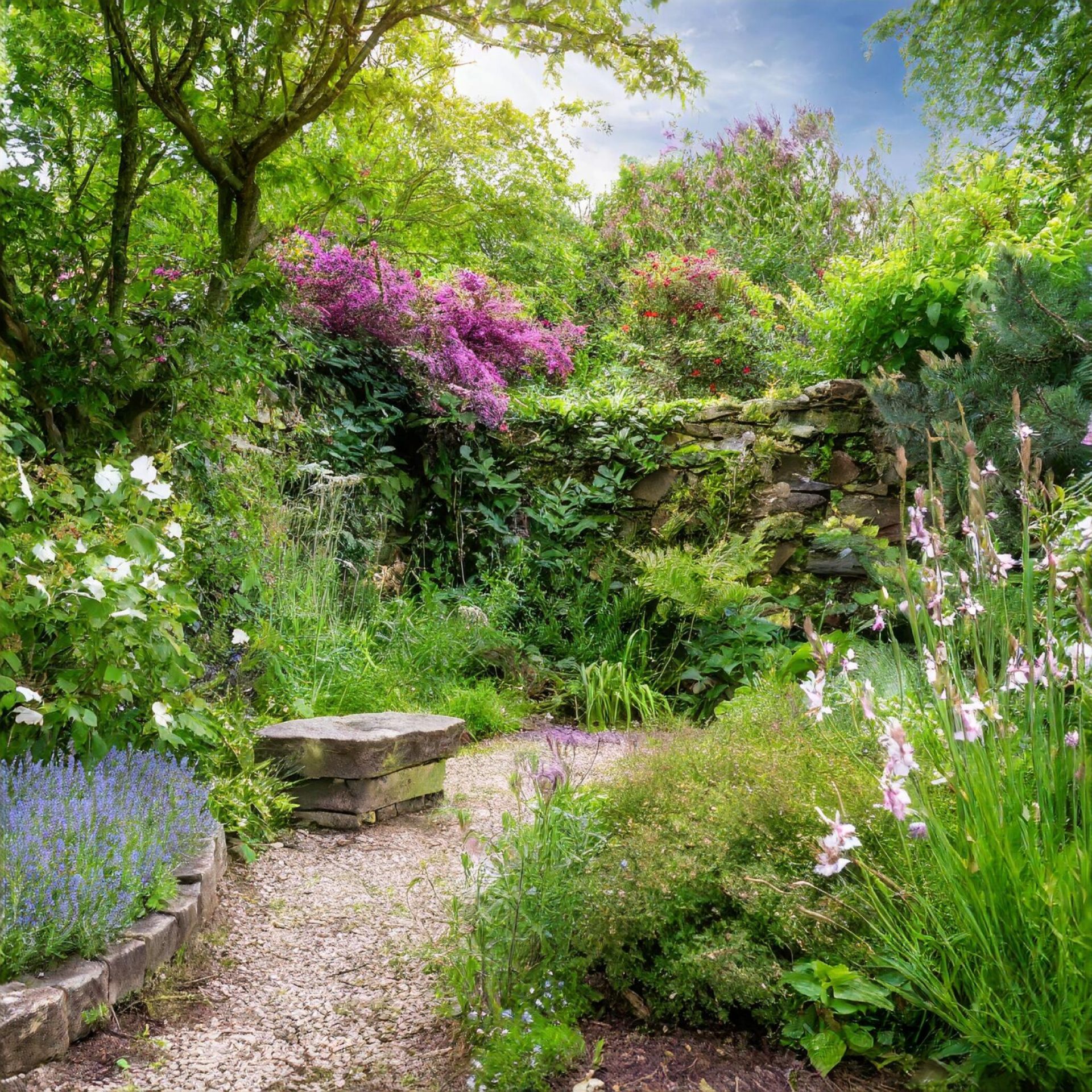

Spring is the ideal season to bring a touch of nature to your garden. A wild corner not only brings natural beauty and a relaxation area, but it also helps preserve local biodiversity. To help you create your own wild oasis, we guide you through the 5 main steps.
1. Choose the ideal location
The first step to create a wild corner in your garden is to select the most suitable place. Several factors can influence your choice:
- The size of your garden: if you have a large garden, you can dedicate a larger area to this initiative. If your space is limited, consider creating a small corner where wildlife can still flourish.
- Sunlight and shade exposure: some plants and animals need more sunlight or shade to thrive. Think about the species you want to accommodate and take that into account when choosing a location.
- Proximity of buildings or other activity areas : it may be preferable to choose a location away from noisy or busy areas to provide a peaceful haven for wildlife.
Remember that it’s not necessary to sacrifice the aesthetics of your garden. You can define this space with borders or decorative elements to blend it harmoniously into your landscape design.
2. Prepare the ground
Once you have identified the perfect spot for your wild corner, it is important to properly prepare the soil. Here are a few tips to get started:
- Weed the area: remove unwanted weeds and other undesirable plants to provide space for the species you wish to attract.
- Ensure good drainage: a waterlogged soil can prevent some plants from growing. If necessary, dig trenches or install drains to avoid this problem.
- Add organic matter: a nutrient-rich soil promotes plant growth. Do not hesitate to add compost or manure in the selected area.
3. Select the appropriate plants
To create a genuine ecosystem in your wild corner, it is essential to choose the right plants. Native species are ideal as they are adapted to the climate and local conditions. Moreover, they naturally attract local wildlife. Some examples of plants for a French garden include:
- The trees and shrubs, like the birch, beech, or hawthorn
- The perennial plants, such as the bellflower, the great masterwort or the purple coneflower
- The wild flowers, such as the poppy, the daisy, or the violet
- The grasses, notably the fescue, the meadow bluegrass or the orchard grass
To encourage a greater variety of habitats, consider choosing plants of different heights, textures, and blooming periods. This will create a diverse environment, conducive to hosting numerous insects, birds and other animals.

Attracting Pollinators
It is also important to select plants that attract pollinators such as bees, butterflies and beetles. These play a crucial role in our ecosystem by helping with plant reproduction. Choose species rich in pollen and nectar, like lavender, red clover, or asters.
4. Install habitats for wildlife
To maximize the biodiversity of your wild corner, consider installing specific facilities that promote the presence of certain species:
- A water point: a pond, a pool or simply a bowl filled with water attracts birds and insects to drink and bathe.
- Shelters: install birdhouses, insect hotels, or simple piles of wood and stones to provide animals with places to hide and reproduce.
- A feeding zone: consider installing bird feeders, vegetable plants for herbivorous mammals or nectar-rich flowers for pollinators to provide a variety of food resources.
[bzkshopping keyword=”abris oiseaux”]
5. Adopt Sustainable Gardening Practices
For your wild corner to endure and flourish over the years, it is crucial to adopt ecological approaches in maintaining your garden. Here are some ideas:
- Reduce the use of chemical products : limit the use of pesticides and artificial fertilizers which can be harmful to wildlife.
- Prefer natural methods of pest control: for example, use natural predators, such as ladybugs, to eliminate aphids, or set up slug traps instead of spreading toxic granules.
- Save water: water your garden early in the morning or late in the evening to minimize evaporation, and collect rainwater in a barrel to use it later.
- Compost your green waste: This will allow you to recycle dead leaves, grass clippings, and other organic matter to enrich your soil naturally.
By following these simple steps, your garden will gradually become a true refuge for local wildlife, while offering you a preserved space to enjoy the joys of spring.