
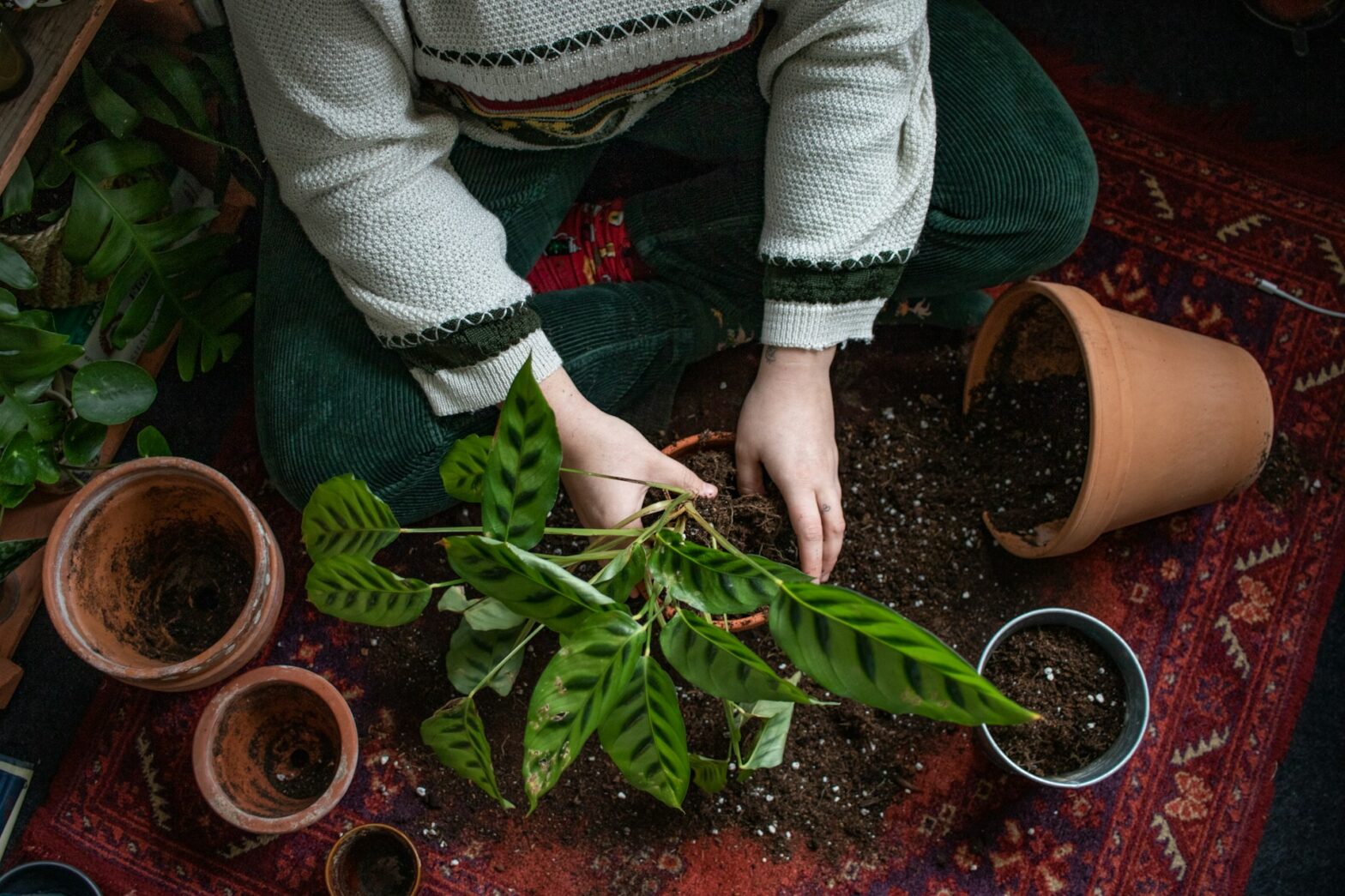

In this article, we will explore three methods of vegetative multiplication expertise that can be implemented in March: the cutting, division and grafting. Each of these methods offers specific advantages depending on the type of plant and the desired objective. By integrating these techniques into your gardening practices, you can enjoy a healthier, more beautiful and more productive garden.
Cutting: Encouraging Rapid Growth
Cuttings is a very widespread technique that allows rapid multiplication of plants from a part of the latter. Generally performed in the spring, it involves taking a piece of the plant (usually a stem or a leaf) and bringing it into contact with a moist medium (soil, sand, water…).
The steps of cuttings
- Select the plant: Choose a healthy plant with a well-developed stem.
- Cutting Collection: Cut a stem portion of about 10 cm, just below a node carrying two or three leaves.
- Preparing the cutting: Remove the leaves from the bottom of the stem, as well as any possible flowers, and dip the cut end into a rooting hormone.
- Setup: Plant the cutting in a light and moist substrate, such as a mix of potting soil and sand. Lightly compact around the stem to promote contact between the stem and the support.
- Maintenance: Water regularly without saturating the environment, and place the cutting in the light without direct exposure to the sun. Pinch new shoots if needed to encourage branching.
Which plants can be propagated?
Various species of plants can be propagated by cuttings: geraniums, lavender, roses, hydrangeas, dipladenias or even fuchsias. However, it is important to gather all the information about each one’s specifics to ensure successful propagation.
[bzkshopping keyword=”graines rosiers”]
Division: When simplicity rhymes with efficiency
The division is a simple and ideal method for multiplying perennials and certain grasses. It involves separating the plant into several pieces that will be replanted separately. Division allows for the quick production of robust and floriferous seedlings.
When should you divide plants?
For the division to be effective, certain time criteria must be respected at the time of intervention:
- Perform the division before or after flowering, in early spring or autumn.
- Avoid too hot and dry periods where growth is slowed down.
How to proceed ?
- Prepare the ground: Weed if necessary and loosen the soil to facilitate the recovery of the seedlings resulting from the division.
- Dig around the stump: Use a digging fork to carefully extract the plant, making sure not to damage the roots.
- Divide the plant into several pieces: Cut the stump with a sharp knife or manually divide it if it comes off easily. Make sure each part has roots and aerial parts.
- Replant the divisions: Place them in the hole you previously dug, fill with soil and lightly tamp down. Water generously to promote recovery.
Grafting: giving new life to fruit trees
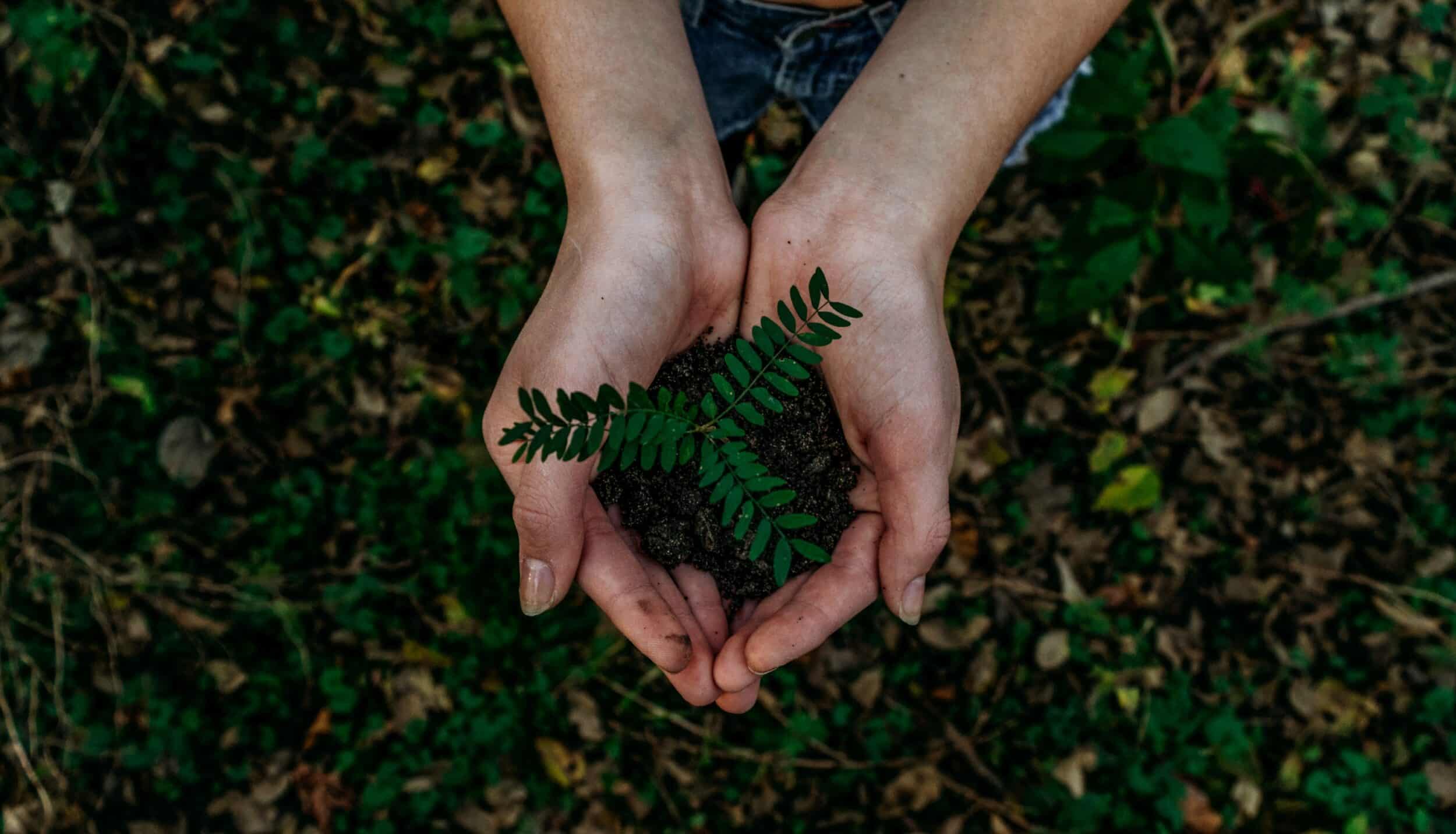
Grafting involves assembling two parts of plants so that they function in symbiosis. It allows to improve the characteristics of a fruit species, to produce larger fruits or to change the variety of a tree.
The main grafting techniques
- The cleft graft: This technique is suitable for trees and shrubs with fairly thick trunks. It consists of inserting the branch (or “graft”) into a slit made on the trunk or a branch of the rootstock.
- Bud grafting: This involves taking a bud (scion) with a small piece of bark and inserting it under the bark of the rootstock. This method is particularly suitable for roses and fruit trees.
- Crown grafting: Used for plants with a large diameter, this technique involves making a longitudinal incision in the bark of the rootstock and then inserting the graft.
When to perform a graft?
To ensure the success of your grafting, follow these recommendations:
- Perform the grafts in March when the vegetation is still dormant but the sap is starting to rise.
- When you retrieve your grafts, take care to keep them in a cool and humid place until you use them.
By mastering these three plant multiplication techniques, you now have a solid foundation to ensure the sustainability and harmonious development of your garden. So don’t hesitate to experiment with these methods, starting this March!