
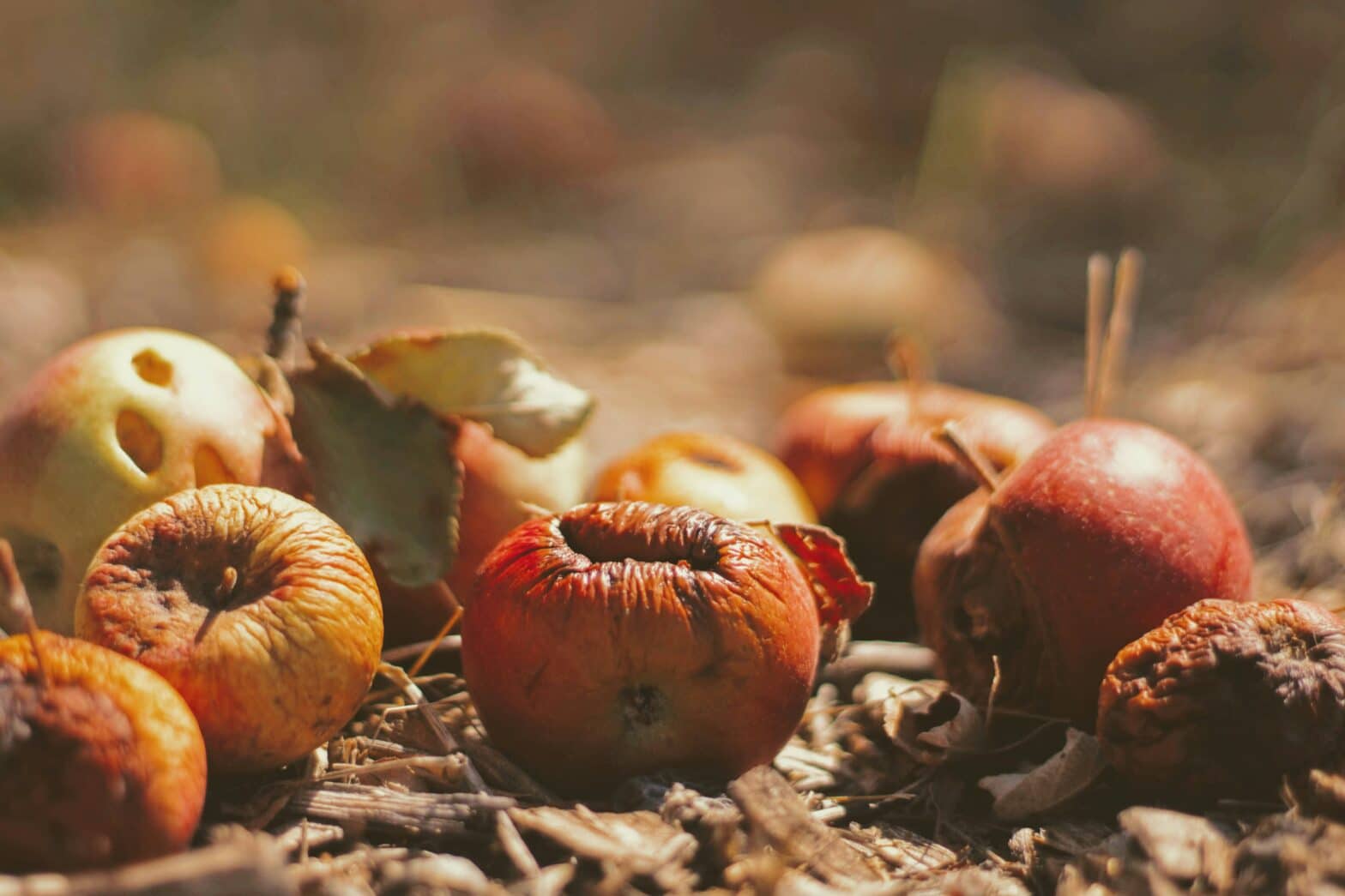

Too often, composting becomes an automatic gesture for gardeners: we accumulate, we turn, then… we forget. This hidden treasure at the bottom of the garden, produced with care and patience, sometimes struggles to find its place in our daily horticultural practices.
Yet, compost is an exceptional organic amendment, capable of transforming your garden into a haven of health and productivity. Here’s how to best integrate it into your green space.
1. Recognizing the maturity of compost
Firstly, it is crucial to know when your compost is ready to be used. A mature compost is characterized by a uniform texture, a dark color, and a pleasant smell of forest soil.
If you still see undecomposed debris, it may require more time or more frequent return.
2. Use it as a soil amendment
Compost is first and foremost an excellent soil amendment. It improves the soil structure, increases its water retention capacity, and stimulates microbial activity, essential for plant health.
In the spring or fall, incorporate a layer of 2 to 5 cm of mature compost into your flower beds, vegetable gardens, and at the foot of your shrubs and trees. This will provide valuable nutrients to your plants and improve the quality of the soil in the long term.
3. Use it as mulch
Compost can also serve as mulch for your plants. Applied to the surface of the soil, it helps to retain moisture, reduces the growth of weeds, and continues to nourish the soil as it decomposes.
A layer of 3 to 4 cm around your plants is enough to create a conducive environment for their flourishing.
4. Enrich the planting holes
When you plant new plants, mixing compost into the dug-up soil can greatly promote their establishment and growth. The compost provides the young plants with an environment rich in nutrients and beneficial microorganisms, giving them an excellent start in life.
5. Make a compost tea
For a quick and easily absorbable nutrient intake for plants, compost tea is an ideal solution (for plants, not for you!). It is an infusion of compost in water, which is left to rest for a few days before being filtered and used for watering or spraying on the foliage of plants.
This method is particularly appreciated for boosting plants during periods of active growth or for helping stressed plants recover.
Compost is much more than just garden waste; it’s a valuable resource that, when used wisely, can transform your garden. By incorporating compost into your gardening practices, you promote a rich and diverse ecosystem, essential for a healthy and productive garden.
Don’t let this hidden treasure accumulate and get lost anymore: make it the beating heart of your garden, for nourished soil and flourishing plants.