
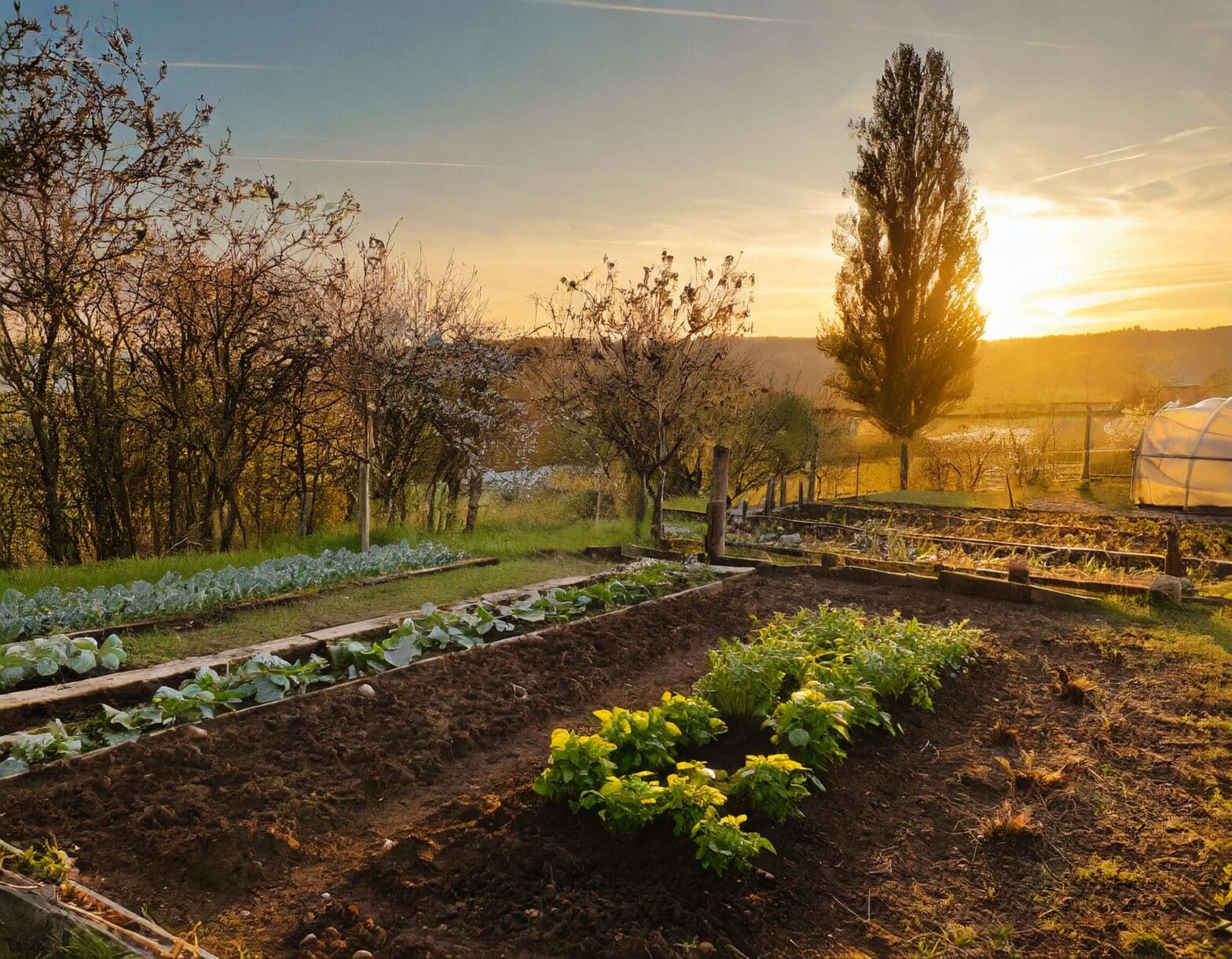

Starting a permaculture vegetable garden as early as February is not only possible, but it’s also an excellent way to start the year with a rewarding and environmentally friendly project.
Permaculture is a gardening approach that aims to create sustainable and self-sufficient agricultural systems, in harmony with nature. Here are some practical tips to start your permaculture vegetable garden in February, taking into account the principles of this philosophy.
1. Observe and plan
Observation is key: Before you start, spend time in your garden to observe the sunlight, shaded areas, water drainage, and any other natural elements. This will help you understand your space and plan effectively.
Designing your garden: Use the principles of permaculture to design your garden. Think about zoning, place the elements that require the most attention near your house and those that are less demanding further away.
2. Preparing the soil without overturning it
Creating garden lasagna: In permaculture, we avoid tilling the soil so as not to disturb the beneficial microorganisms. Start by spreading a layer of cardboard to suppress the weeds, then add layers of organic matter: compost, leaves, straw, and potting soil. This will nourish the soil and prepare it for planting.
3. Choose plants resistant to cold
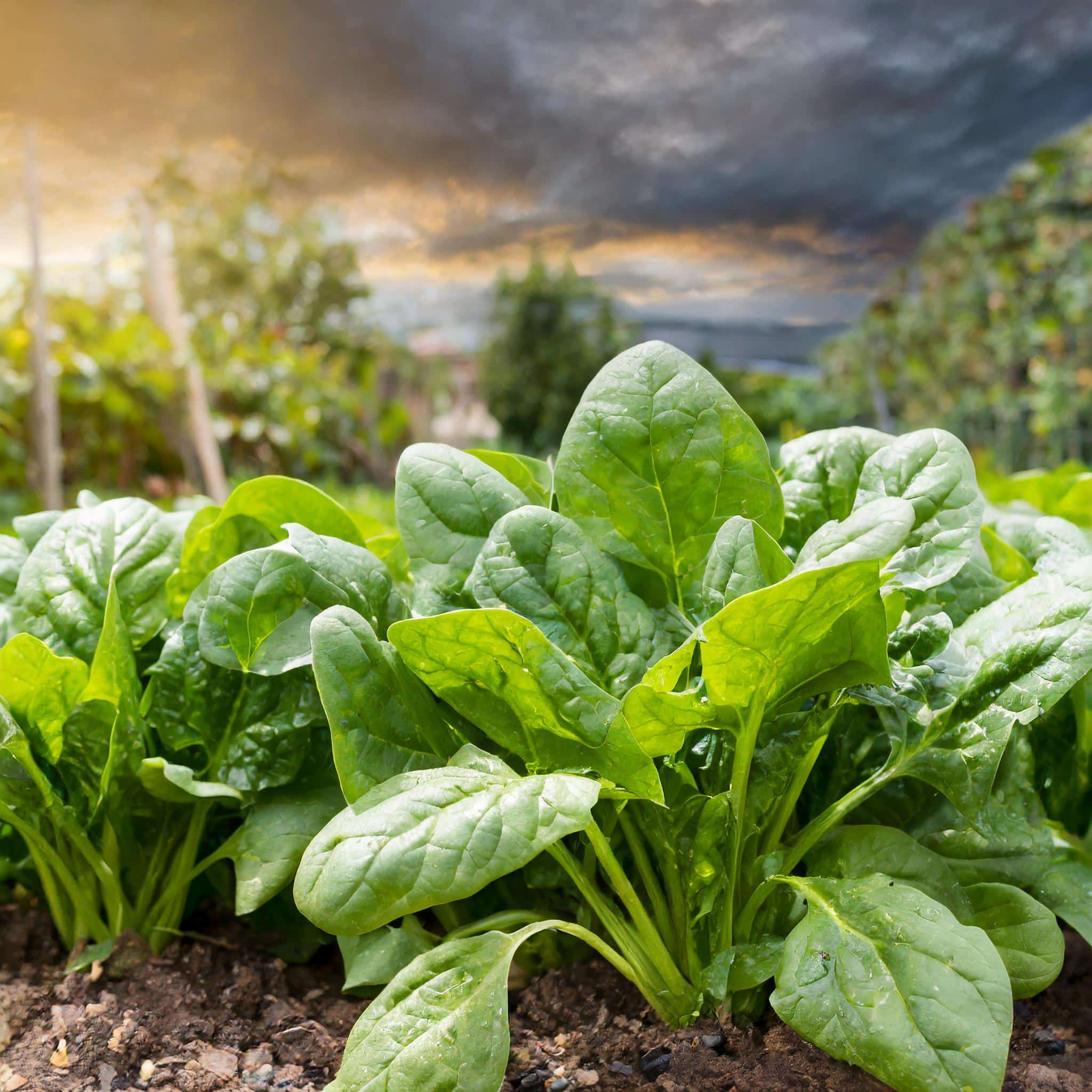
Selecting suitable plants: In February, opt for plants that are resistant to cold. Leafy vegetables such as lamb’s lettuce, spinach, and certain lettuces can be a good start. Also consider perennial edible plants, such as artichokes or asparagus, which fit perfectly into a permaculture system.
4. Use coverage and protection techniques
Protect your plants: Use tunnels or winter veils to protect your crops from the last cold snaps. These techniques create a warmer microclimate and accelerate plant growth.
5. Integrating biodiversity
Planting to attract helpers: Permaculture relies on biodiversity. Incorporate native flowers and plants to attract pollinators and beneficial insects that will help fight pests naturally.
6. Thinking about water management
Optimizing water usage: In February, it’s time to think about how you will manage water in your garden. Creating water retention basins or using rainwater harvesting systems can be good strategies for saving water and using it more efficiently.
7. Start small
Do not overload yourself: If you are beginning with permaculture, start small. A well-thought-out small vegetable garden can be more productive and less time-consuming than a poorly managed large garden. You can always enlarge your space gradually as you gain experience.
Starting a permaculture garden in February is a beautiful adventure that prepares the ground for a productive and ecological year of gardening. By following these tips, you will work in harmony with nature, producing healthy food while promoting biodiversity in your garden. Remember, permaculture is a continuous learning process; every observation and experience is an opportunity to learn and adapt.
The key is to enjoy creating and cultivating your garden, respecting natural cycles and contributing to a healthy ecosystem. If you have questions or need help to start your permaculture project, I am here to assist you. Together, let’s not only grow vegetables, but also a greener and more sustainable future!