


We’ve already talked about vegetarian diets and vegan diets, we hear about veganism everywhere – they even make shoes for vegans now! – but do you know about raw foodism?
What is raw foodism (or living food)?
Living food, which involves consuming foods that have only undergone germination or fermentation as their only processing, is part of the broader concept of raw foodism. This type of diet primarily includes raw foods or foods cooked at a temperature below 40 degrees.
According to followers of the raw food diet, some consume fish and meat while others completely exclude them, feeding exclusively on fruits, vegetables, seaweeds, sprouted bread, or even nuts and seeds.
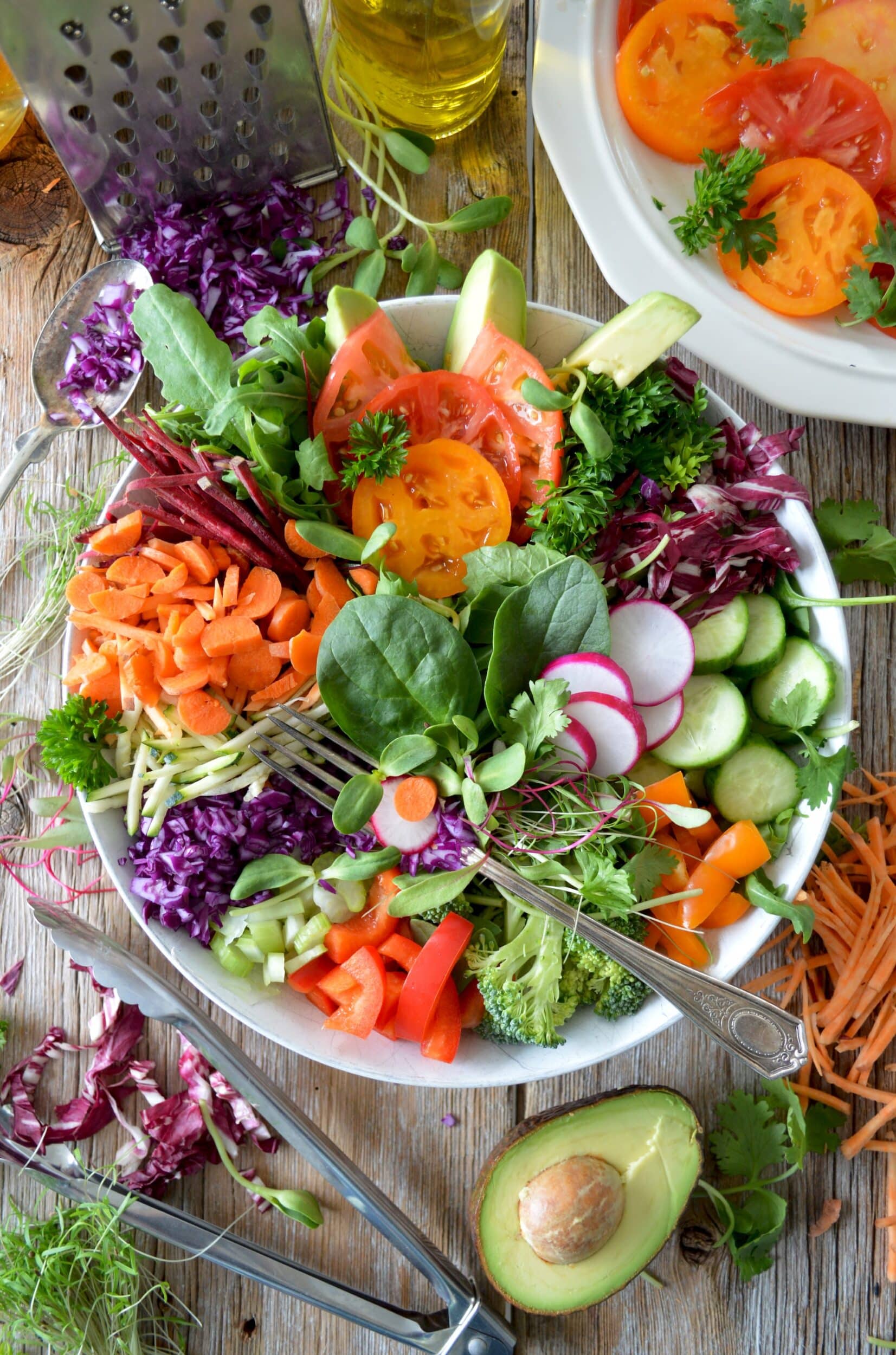
The principle of raw foodism
The main goal of raw food would be to facilitate digestion and elimination of waste from the body. Therefore, by forbidding any cooking, the enzymes naturally present in foods would be preserved and would allow the digestion of food, without resorting to the digestive organs and the pancreas.
When you cook food, their enzymes are indeed destroyed and it is up to these organs to produce others to allow digestion. Raw foodism therefore tends to preserve our internal organs by preventing them from becoming overly fatigued.
The benefits of raw foodism
The raw food diet, with its rich supply of fiber, vitamins, and proteins, would bring a feeling of well-being and satiety to its followers. But its main advantage would be to allow weight loss.
Indeed, due to the more extended chewing time when consuming raw foods, the feeling of fullness appears much earlier compared to consumers of cooked foods. Moreover, the foods consumed raw are often less caloric than those that need to be cooked. According to some data, adopting this diet could result in a weight loss of nearly 10kg after a few months.
The risks of raw foodism
If raw food reduces calorie intake, it can also seriously lack certain vitamins (B12, D) and calcium in particular, necessary for the proper functioning of the body. Indeed, raw foodists often have bone fragility and an increased predisposition to cardiovascular diseases.
Therefore, when adopting this diet, it is advisable to consult with your doctor, who will certainly suggest supplementation to avoid any deficiencies.
Raw foodism, with its principles of consuming uncooked or lightly heated food, offers an interesting alternative to traditional diets, especially for those looking to preserve the natural enzymes of food and optimize digestion.
However, like any specific diet, it has notable advantages and disadvantages. Although it can contribute to weight loss and offer an increased sense of well-being, it is essential to approach raw foodism with caution, taking into account its nutritional limitations.
Guidance from health professionals is crucial to avoid deficiencies and ensure a balanced diet. Ultimately, the adoption of this diet should be personalized, taking into account the specific needs of each individual and medical recommendations, in order to incorporate raw foodism in a healthy and beneficial way into a balanced lifestyle.