


Through the ketogenic diet, discover another way to conceive weight loss diets, an approach that is both original and healthy.
The ketogenic diet, an original approach to lose weight
In its etymological sense, based on the decomposition of the term “ketogenic” into ‘keto’ and ‘genic’, a so-called ketogenic diet refers to a set of dietary practices leading to ketosis. However, ketosis is a metabolic state characterized by a predominance of lipids.
It can therefore be deduced that a ketogenic diet relies mainly on a higher presence of fats in the diet. This is roughly the meaning given to it in most specialized journals.
Moreover, aside from this point, the ketogenic diet is often mentioned as having a strong ability to promote fat loss. Is this realistic?
How can we lose weight by significantly reducing carbohydrate intake and prioritizing fat and protein supplement intake? It’s time to discover the principles of a ketogenic diet and the related mechanisms that promote fat loss.
How the Ketogenic Diet Works
Used as a therapeutic diet for about a century to treat epilepsy and various other diseases, the ketogenic diet triggers a metabolic mechanism in the body to draw on lipid reserves for energy.
In fact, carbohydrates usually make up the primary energy source of the human body, thanks to the calories they provide (approximately 45 to 65% of requirements in a balanced diet). But with the ketogenic diet, this prevalence of carbs intake is inverted.

Thus, carbohydrates only provide around 5% of energy, while fats contribute approximately 75% of energy needs (compared to 30% in a balanced diet), and proteins contribute roughly 20%. In this way, your body does not store fat but consumes it.
For a keto, you should therefore focus on fat intake, but it will also be important to not neglect other essential nutrients for your metabolism. Supplementation is very popular among those following this type of diet. Fatty acids such as Omega 3 DHA and EPA are essential fatty acids. Not being produced by the body, they must therefore be supplied through diet.
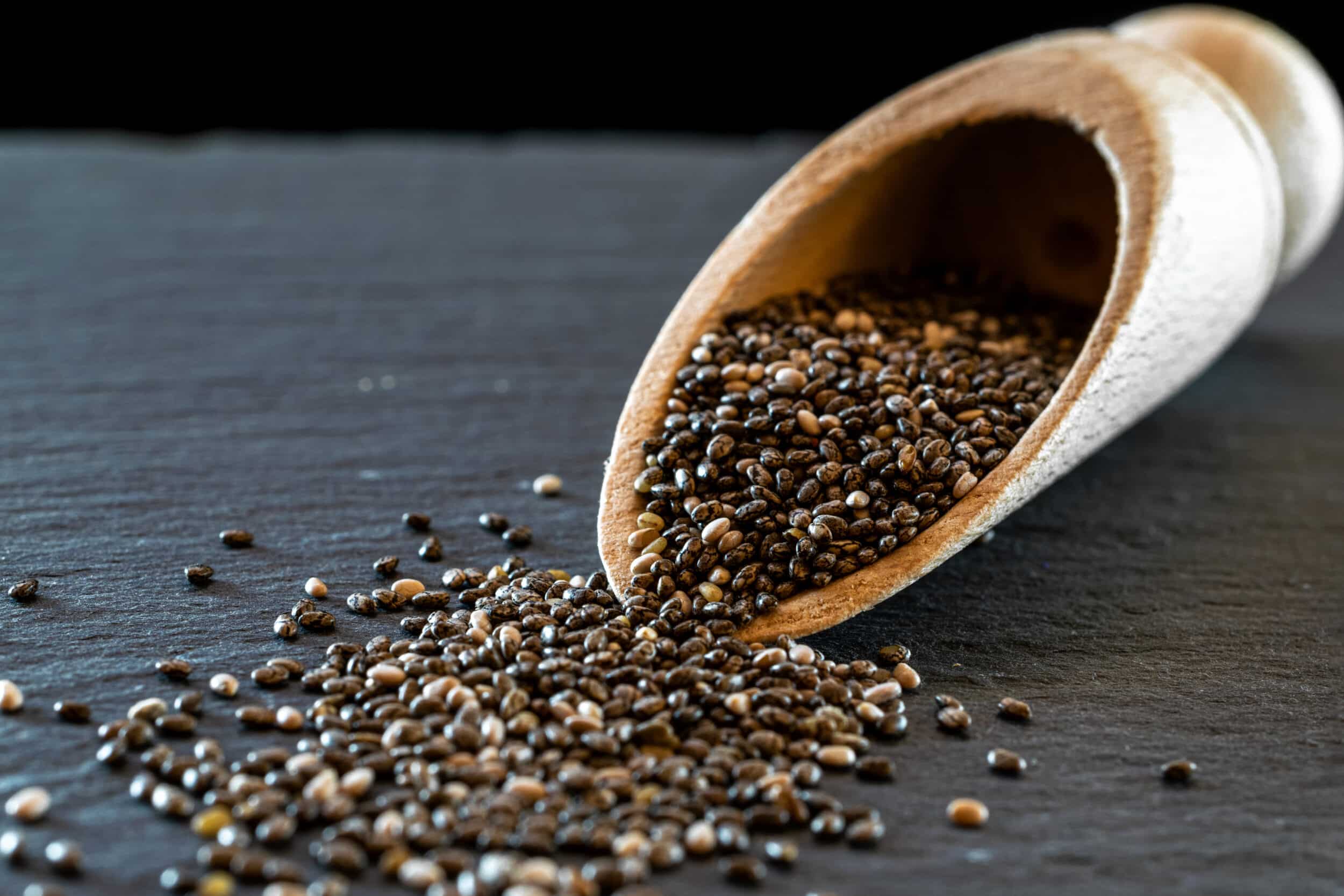
The Chia seeds are also an interesting food to incorporate into the keto diet. They are considered a real grail in the universe of foods. Particularly in the context of this diet, the high content of fiber, protein and polyunsaturated fatty acids in this superfood can be very useful.
[bzkshopping keyword=”graines de chia”]
Weight loss through the ketogenic diet, a logical result of a natural biological process
Usually, three forms of nutrients provide the fuel the body needs to function: fats, carbohydrates and proteins. These elements are contained in various foods that we eat. In a traditional diet, most of this energy is derived from carbohydrates and the calories they provide.
But in the hypocaloric ketogenic regime, the carbohydrate intake from food is very limited. As a result, the body starts to draw from the reserves of carbohydrates stored in the form of glycogen with water in the liver and in the muscular regions of the body.
For every gram of glycogen used by the body, the amount of water linked to it is also depleted, initially leading to a weight loss due to water loss.
Then, once the glycogen reserves are exhausted, the body still needing energy, it starts to use fats to produce energy. This is how this diet can contribute to weight loss in a second stage; here, a loss of fat occurs, because fat is converted into energy.
When this metabolic mechanism occurs, causing the body to use lipids for the energy it needs, it produces waste known as ketone bodies, characteristic of the state of ketosis. The primary indicator of this state, which can occur 2 to 4 weeks after starting the ketogenic diet, is the nail polish odor that comes out in the breath due to the accumulation of ketone bodies in the blood. This is then followed by a certain loss of appetite, which is also beneficial for weight loss.

A well-executed ketogenic diet should therefore allow you to meet your weight loss goals. To do this, you can turn to low carbohydrate foods, but which contain enough nutrients for your body to continue receiving what it needs.
Coconut oil is also a source of good fats for a successful keto diet. It contains MCTs, which stands for medium chain triglycerides, fats that are assimilated by the body in a completely different way from other fats. It is extremely popular among followers of the keto diet (the English equivalent of the ketogenic diet).
Rules to follow for a successful ketogenic diet
To successfully follow a ketogenic diet, you must eliminate most sources of carbohydrates from your diet. Therefore, milk, cakes, apples, or even foods rich in cereals such as bread, rice, and pasta are to be excluded from the diet. The same applies to fruits and vegetables high in carbohydrates like bananas and legumes.
However, contrary to what many people might think when discovering these foods to avoid, the ketogenic diet is far from being restrictive. A person who adopts this diet can thus eat whatever they want, provided that it is rich in fats or proteins, and low in carbohydrates.

As part of a ketogenic diet, meats, cheese, fatty fish, butter, oilseeds and eggs can all be part of the diet. It is clear that with such foods, satiety will always be there as usual.
If you opt for a keto, it is therefore important for you to maintain a sufficient protein intake. Protein supplements will then be your best allies. You can turn to supplements such as Whey protein or vegetable protein.
Ketogenic Diet: Who can adopt it?
Everyone can opt for the ketogenic diet. Whether it’s an overweight person or not, the ketogenic diet has many benefits that make it interesting for everyone. However, this diet is not recommended for people suffering from kidney failure or having a problem with cholesterol. Similarly, people with type 1 diabetes, as well as those suffering from liver disorders or having recently experienced cardiovascular events should avoid this diet.
Regardless, since the ketogenic diet involves significant changes in your eating habits, it is better to understand your health situation in advance. To do this, take advantage, for example, of the free and comprehensive body-check offered by Foodspring.