


Astrology is an ancient discipline that studies the influence of stars and celestial bodies on our life and our personality. Although often considered a pseudoscience by the scientific community, it continues to intrigue and fascinate a large number of people. Here are five mysteries of astrology that science still struggles to explain.
1. The synchronicity between the movement of the planets and earthly events
The key concept of astrology is based on the idea that the movements of the planets and other celestial bodies have an influence on the events that take place on Earth. This theory of synchronicity, developed by Swiss psychoanalyst Carl Gustav Jung, raises questions from a scientific point of view. Indeed, there is no tangible evidence of this correlation, and the causality between these phenomena remains unclear. However, many astrologers claim to have observed troubling coincidences between the planetary cycles and the significant events in history or individual life.
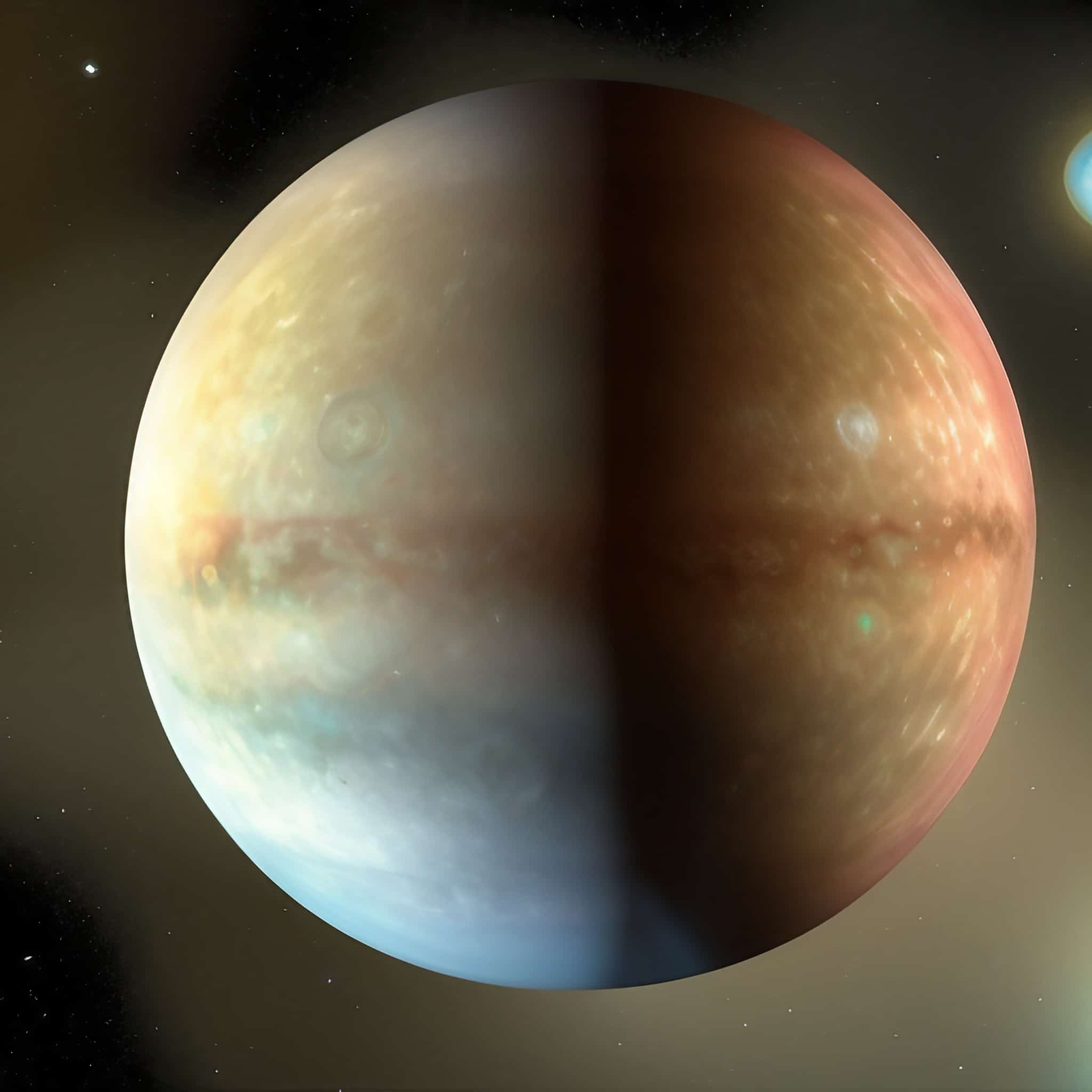
Planetary Retrogrades and Their Supposed Effects
A frequently cited example is that of planetary retrogrades, periods during which a planet appears to move in the opposite direction in the sky. According to astrology, these retrograde motions would have consequences on our lives and our behavior. For example, the retrogradation of Mercury is often associated with communication and technology issues. Although this notion of retrograde is an optical phenomenon due to the Earth’s relative position to other planets, its supposed influence remains difficult to scientifically demonstrate.
2. The influence of astrological signs on our personality
One of the most popular aspects of astrology is the study of the zodiac signs, which divide the sky into 12 segments corresponding to different periods of the year. According to astrology, the sun sign (the one where the Sun is at the time of our birth) would have a major impact on our character and personality traits. However, there is no concrete evidence of this link, and some studies even seem to contradict this theory.

The other elements of the natal chart and their presumed effects
Furthermore, astrology also considers the influence of other celestial bodies (the Moon, the planets, etc.) and their position in the sky at the time of our birth to establish our astrological chart. This is supposed to reflect our potential, our challenges and our behavioural tendencies throughout our life. However, once again, science struggles to explain the mechanisms underlying these supposed influences.
3. The effect of the Moon on human behavior
Although the Moon is one of the key elements of astrology, its influence on our behaviour is also debated in the scientific field. Some researchers have tried to establish a link between lunar phases and various phenomena such as fertility, sleep disorders, or even aggressiveness. However, the results of these studies are often contradictory and do not definitively resolve this issue.
4. Astrological Predictions: chance or reality?
One of the main criticisms levelled at astrology concerns its predictions, which are considered too vague and imprecise to be considered valid by science. Indeed, it is difficult to objectively measure the veracity of astrological forecasts, which largely depend on the personal interpretation of the astrologer. Nevertheless, some practitioners claim to have successfully predicted events with astonishing accuracy, leaving a mystery around this ability.

The Barnum Effect and the subjectivity of interpretations
Others put forward the argument of the Barnum effect, which suggests that individuals tend to attribute personal meaning to general and ambiguous descriptions, which could explain the feeling of truthfulness of astrological predictions. This notion challenges the real relevance of astrology as a forecasting and analysis tool.
5. The cultural and spiritual heritage of astrology
Finally, it should be noted that astrology is deeply rooted in the history and traditions of many civilizations around the world. Its role in understanding our place in the universe and our quest for meaning seems to go beyond simple scientific and rational explanations. In this sense, astrology can be seen as a form of ancestral wisdom passed down from generation to generation, and some aspects of which still remain mysterious to science.
In conclusion, despite scientific advancements and criticisms directed towards it, astrology continues to arouse interest and curiosity through its mysteries and spiritual dimension. Although some theories remain hard to prove or understand from a scientific point of view, they are nonetheless fascinating and deserve to be explored with an open mind.