
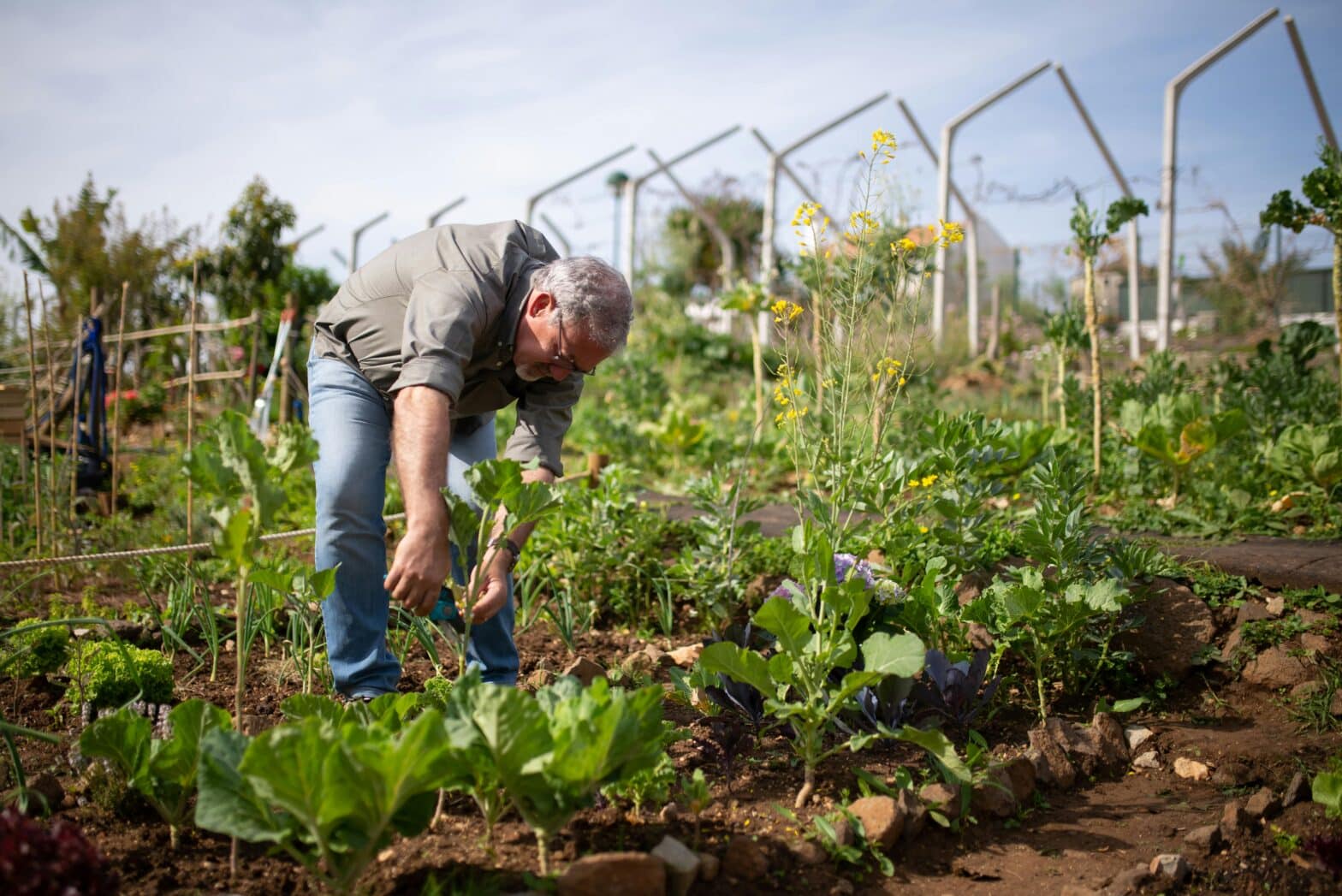

The question of whether it is viable to cultivate a garden without using pesticides is gaining more and more importance. Not only can pesticides have negative impacts on human health, but they also harm the environment. In this article, we are going to explore different ways to maintain your vigorous garden without resorting to traditional chemicals while protecting the soil, crops and plants.
Why avoid pesticides?
Pesticides are often used to protect crops against diseases and harmful insects. However, these substances have significant undesirable effects. Pesticide residues can persist in the soil and contaminate groundwater, affecting not only the quality of drinking water but also local biodiversity. Moreover, prolonged exposure to pesticides can lead to health problems, such as cancer or neurological disorders.
By giving up the use of pesticides, we can contribute to preserving a more balanced and healthier ecosystem, for humans and for local wildlife.
Alternatives to chemical pesticides
Natural methods exist to fight against diseases and pests in the garden. Here are some effective alternatives:
- Natural Traps : Adhesive or pheromonal traps attract and capture harmful insects without the use of chemicals.
- Natural predators : Encouraging the presence of ladybugs, frogs, or even bats can help to naturally control populations of harmful insects.
- Physical barriers : Use nets or fabrics to create physical barriers that prevent insects from reaching your crops.
- Homemade preparations : Mixes made from black soap, neem essential oil, or baking soda can be sprayed on plants to keep pests away.
The role of crop rotation
An proven method to maintain a healthy garden without pesticides is crop rotation. This technique involves regularly changing the location of different types of crops in your plot to prevent the depletion of soil nutrients and reduce the spread of plant-specific diseases.
Crop rotation also helps to limit the emergence of specialized pests, as they will have less chance of finding the same plants in the same location each year.
Use of compost and green fertilizers
A fertile soil and well-nourished is essential for robust crops that are more resistant to diseases and insect attacks. Regular addition of compost enriches the soil with essential nutrients and promotes beneficial microbial life.

Green manures, such as alfalfa or clover, can be sown between the main growing seasons. As they decompose, these plants add nutrients to the soil and improve its structure, which also reduces the need for pesticides.
Companion Plants and Plant Diversity
Planting various plants together can provide natural protection against pests and strengthen the overall health of the garden. Companion plants are those that mutually benefit when grown side by side. For example, basil planted near tomatoes can repel certain harmful insects.
The increasing use of plant diversity also reduces the risks of rapid disease spread. A garden plot containing several species is less vulnerable than an extensive monoculture.
Water correctly to prevent diseases
Maintaining a proper watering regime is crucial to prevent plant diseases. An excessive watering can lead to fungal diseases while a lack of water weakens the plants, making them more susceptible to infections.
It is better to water early in the morning or late in the evening to minimize evaporation. Use techniques such as drip irrigation to deliver water directly to the roots, thus reducing the risk of leaf diseases.
[bzkshopping keyword=”drip irrigation”]
Choosing Resistant Varieties
Opting for varieties of plants naturally resistant to diseases can drastically reduce the need for pesticides. Look for certified organic seeds or those from selection programs aimed at improving resistance to common diseases.
Some modern seeds are specially developed to resist mold, bacteria, and viruses. Planting these varieties in your garden will give you a better chance of keeping your crops healthy all season.
Cultural practices to deter pests
Some simple cultural practices can greatly reduce the risk of damage by insects. Here are some suggestions:
- Clean regularly : Remove plant debris where harmful insects may hide.
- Weed frequently : Weeds can harbor pests, so you should eliminate them quickly.
- Hoe the soil : Aerate the soil to disrupt insect nests and larvae.
[bzkshopping keyword=”garden hoe”]
Promote Biodiversity
The more diversity in the garden, the more resilient it is. The presence of a varied mix of plants, beneficial insects, and other animals can help establish a natural balance. The birds, for example, can consume numerous harmful insects when they find refuge in trees or hedges around your plot.
Encourage biodiversity by incorporating native plants as well as various forms of vegetation, such as ground covers, shrubs, and vines. This provides habitats for many species that play a role in maintaining the health of your garden.
Find a natural balance
Gardening without pesticides requires an integrated approach that combines several natural methods and good practices. These ways not only guarantee healthy crops, but they also support a rich and diverse biological environment.
Adopting this philosophy requires a bit more planning and monitoring, but it leads to a more harmonious garden that respects health and the environment.