


Discover how to properly maintain your garden to enjoy it all year round. From choosing plants to mowing, through watering and seasonal tips, follow our advice to have a beautiful and serene garden.
1. Choosing the right plants for your garden
To enjoy a garden that remains beautiful all year round, it is essential to select the plants suitable for each season. Here are a few ideas:
- Spring: Crocus, daffodils, tulips, iris and peonies.
[bzkshopping keyword=”tulip plants”]
- Summer: Lavender, hydrangea, rose bush, geranium and daisy.
[bzkshopping keyword=”daisy plants”]
- Autumn: Chrysanthemum, heather, sage, aster and heliotrope.
[bzkshopping keyword=”sage plants”]
- Winter: Camellia, snowdrop, winter jasmine, hellebore, and cyclamen.
[bzkshopping keyword=”camelia plants”]
Adapt your plantings according to the climate
It is also important to choose plants that are resistant to the climatic conditions of your region. Get information on the local species and favor them in your flower beds.
2. Regularly maintain your garden: mowing and watering
Mow the Lawn
The mowing is essential for having a beautiful lawn. It should be done regularly, about every two weeks during the growth period (April to September). Be careful not to cut more than a third of the grass height with each mowing to preserve its health.
Water the Garden
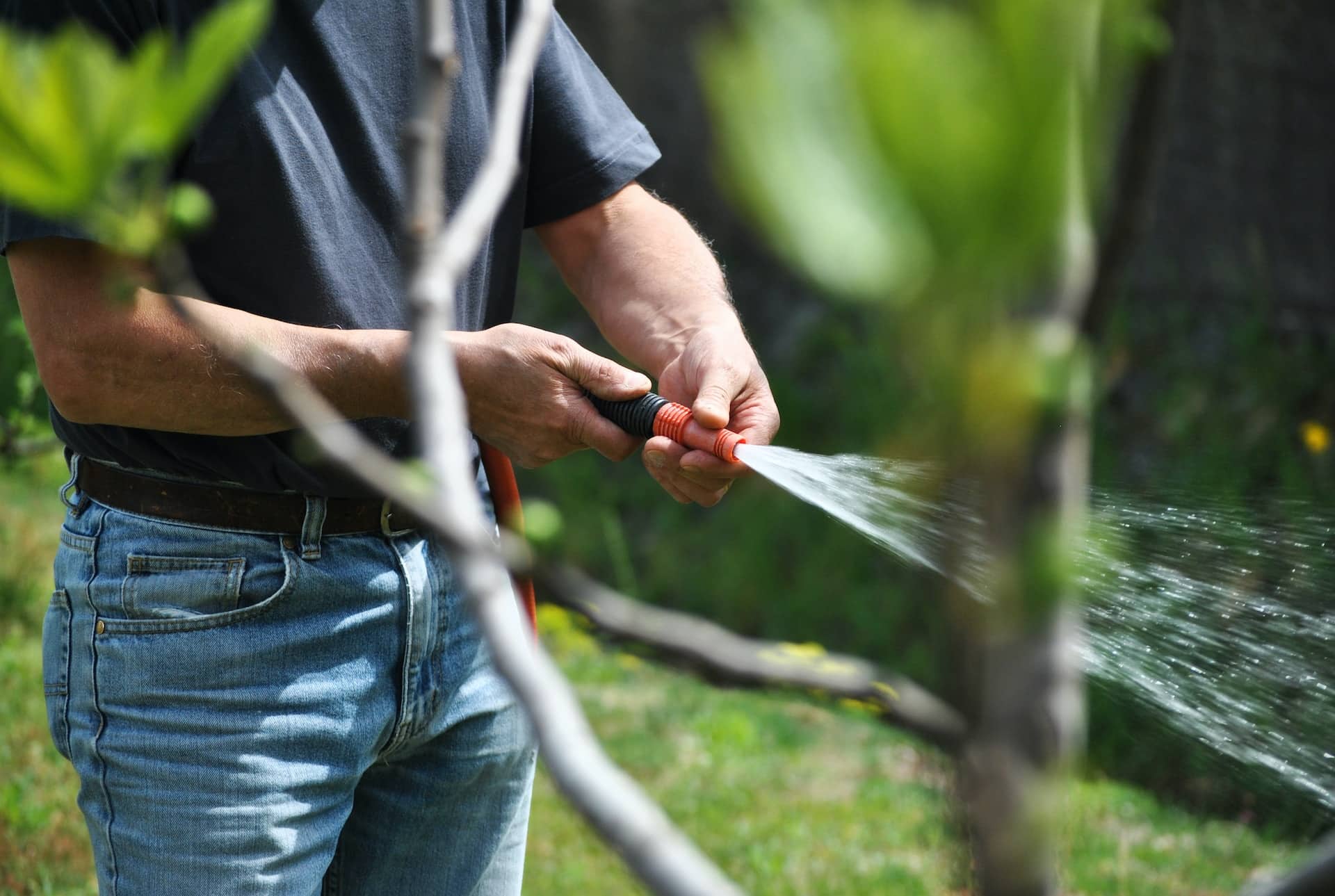
The watering is also crucial to ensure the beauty and longevity of your garden. Here are some tips:
- Frequency: Water according to the needs of each plant and the climate. Generally, watering every 7 to 10 days is sufficient during the growth period.
- The moment: It is best to water early in the morning or late in the evening to avoid rapid water evaporation.
- The quantity: Make sure to provide a sufficient amount of water for the roots to hydrate properly, without excess to avoid stagnation which can cause diseases.
Be careful to respect the rules in effect regarding watering your garden during periods of drought.
3. Maintaining your garden according to the months of the year
January
It’s time to prune fruit trees and rosebushes, as well as planting bulbs that bloom in spring. Don’t forget to protect the plants sensitive to cold.
February
Prepare the soil by tilling it and adding some compost. Continue planting bulbs and start sowing some annual flowers under cover.
Mars
Proceed to the first mowing of the lawn, without cutting too short. Plant the roses and divide the perennials if necessary.
April
It’s the perfect time to plant shrubs and summer flower beds. Aerate the lawn with a scarifier and sow green manure.
May
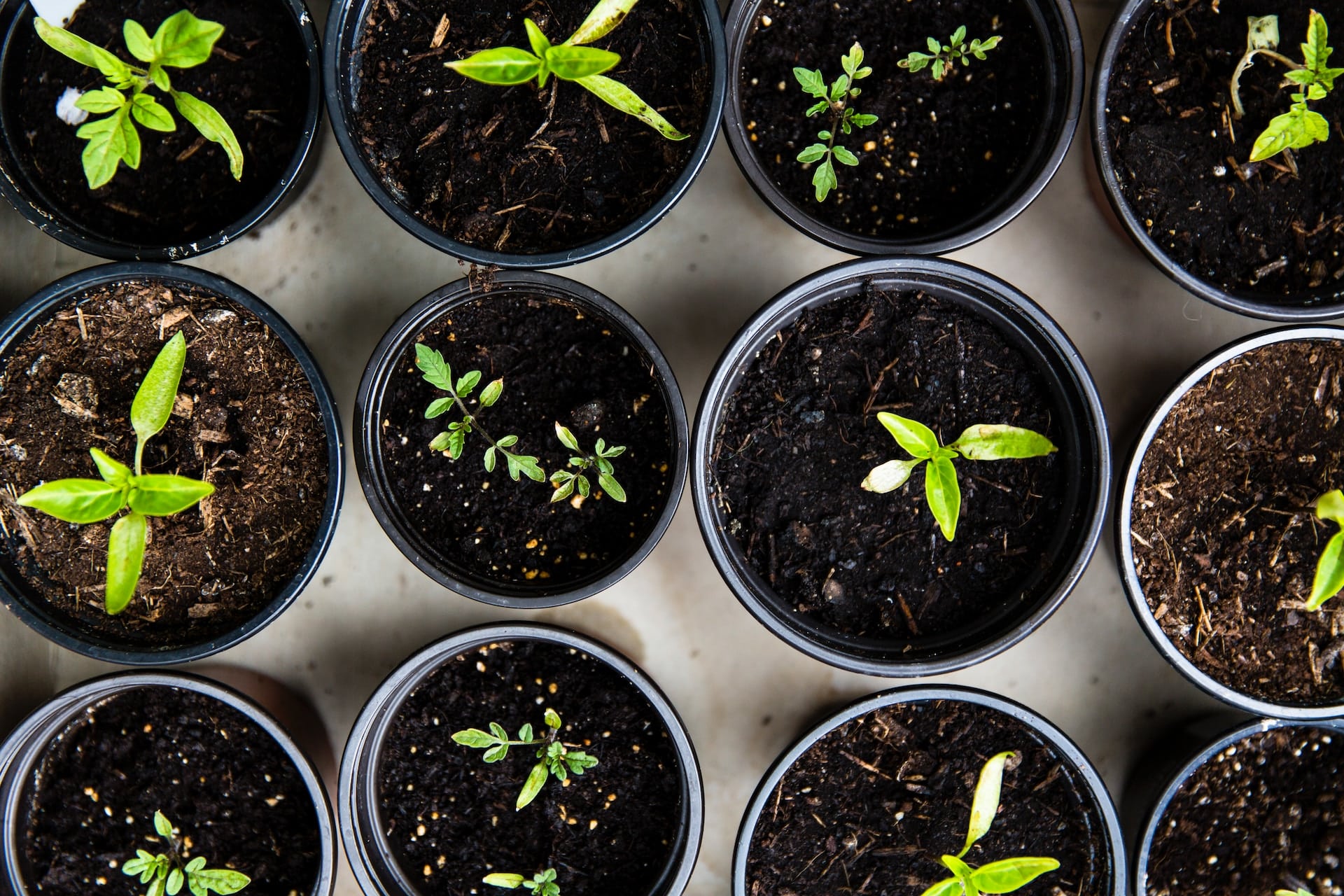
Continue with planting and sowing, notably vegetables. Be sure to water young plants and flowering plants well.
June
Mow the lawn regularly, water in case of drought and mulch the ground to retain moisture. Prune the hedges and ornamental shrubs.
[bzkshopping keyword=”hedge trimmer”]
July
Harvest ripe fruits and vegetables. Continue watering and monitor the possible appearance of diseases or parasites.
August
Water abundantly if it is allowed in your region, especially in case of a heatwave. Sow biennial flowers and clean the flower beds by removing faded flowers.
September
Prepare the ground for fall plantings. Rake the lawn and add compost or organic fertilizer.
[bzkshopping keyword=”scarifier”]
October
Plant spring-flowering bulbs, as well as autumn shrubs and perennials. Pick up dead leaves and prepare the garden for winter.
[bzkshopping keyword=”garden rake”]
November
Prune the fruit trees and protect the plants sensitive to the cold. Bring in pots and planters that are not frost resistant.
December
Take advantage of this quiet period to plan your next plantings and reflect on the arrangement of your garden for the following year.
4. Tips for a beautiful and healthy garden all year round
- Mulching : Mulching is a technique that allows the conservation of soil moisture, reduces weed growth, and enriches the soil with organic materials. Use natural materials such as wood chips, straw, barks, etc.
- Biodiversity: Encourage biodiversity in your garden by installing birdhouses, insect hotels, and water points. The garden helpers (birds, hedgehogs, ladybugs…) will help you naturally combat pests.
- Crop rotation: If you grow vegetables, consider practicing crop rotation to prevent soil depletion and the spread of diseases.
By following these tips, you will enjoy a beautiful garden throughout the year.