
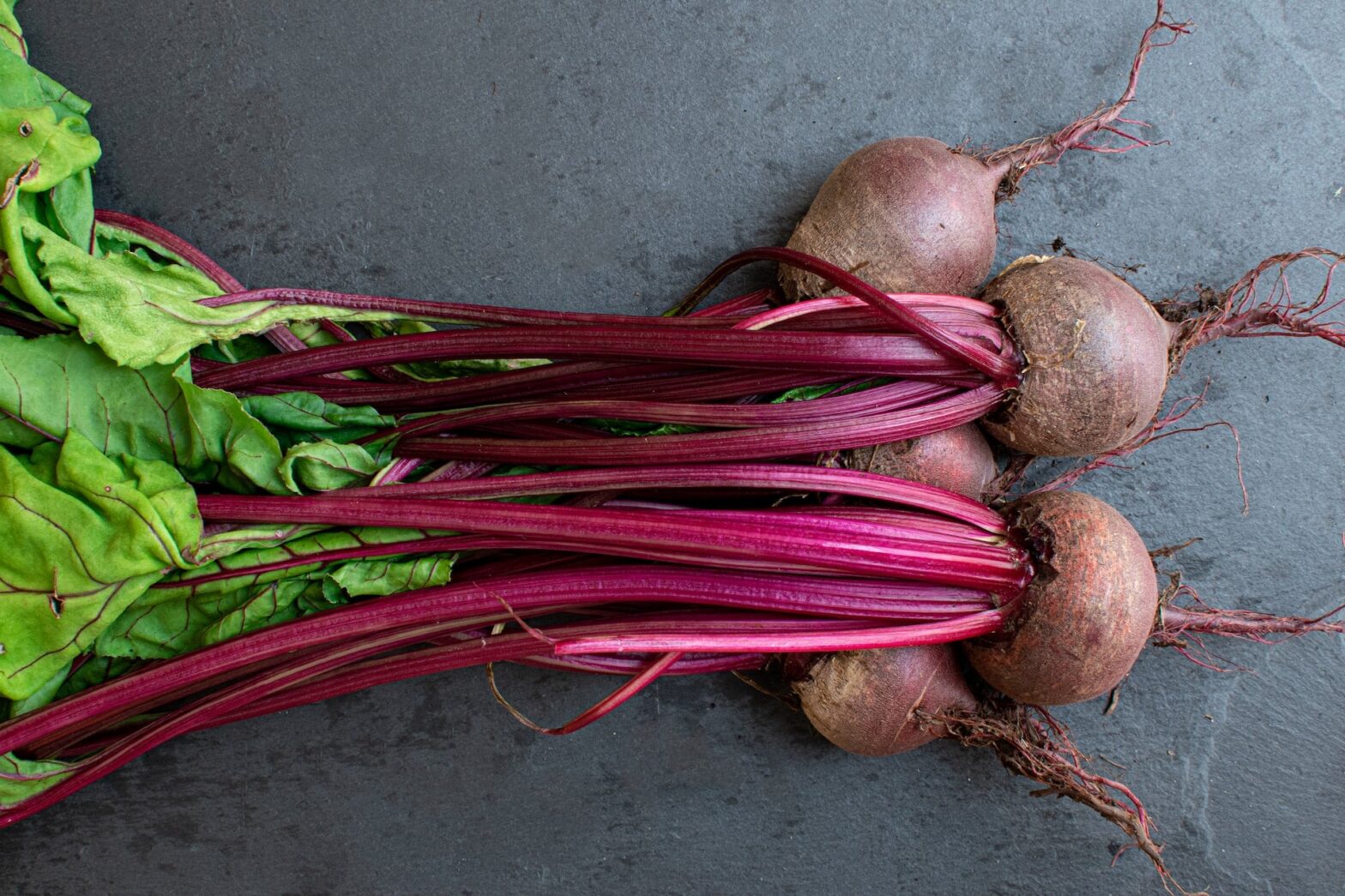

With the arrival of the nice weather, amateur gardeners and nature lovers rush to prepare their vegetable garden. If you are tired of the classic tomatoes and salads, why not rejuvenate old vegetables that have unjustly been forgotten? You’ll be surprised by their delicious flavors and their benefits for your health. Here are 5 forgotten vegetables to plant in your garden from spring.
Parsnip: The sweet and versatile root vegetable
Consumed since antiquity, the parsnip is a root vegetable that deserves the attention of the modern gardener. The texture is reminiscent of a carrot, with a slightly anise aroma and a hint of added sweetness. It also contains plenty of vitamins, minerals and fibers.
Parsnip Cultivation
Sow the seeds directly into the ground between April and May, in rows spaced 30 cm apart. The seedlings will begin to appear after two weeks, when the soil temperature reaches about 7-12°C. The harvest usually begins in early September, but you can leave your plants in the ground without problem until December.
[bzkshopping keyword=”parsnip seed”]
Jerusalem Artichoke: The diabetics’ ally
The Jerusalem artichoke is a fleshy and crunchy tuber, with a hazelnut flavor that is highly appreciated. Its special feature? It is rich in inulin, a soluble fiber for humans that is fully digested by the colon, causing almost no increase in blood sugar levels. Grown for several centuries on our soil, it is little known today and often considered a curiosity.
Cultivation of Jerusalem Artichoke
Leave some tubers after your previous harvest to replant them the following year in the spring. Plant them directly in the ground, in furrows spaced 50 cm apart. The Jerusalem artichoke is not demanding in terms of soil and its aerial parts grow quickly, making it an original product requiring little care.
[bzkshopping keyword=”Jerusalem artichoke”]
Rutabaga: The Tasty Cousin of Turnip
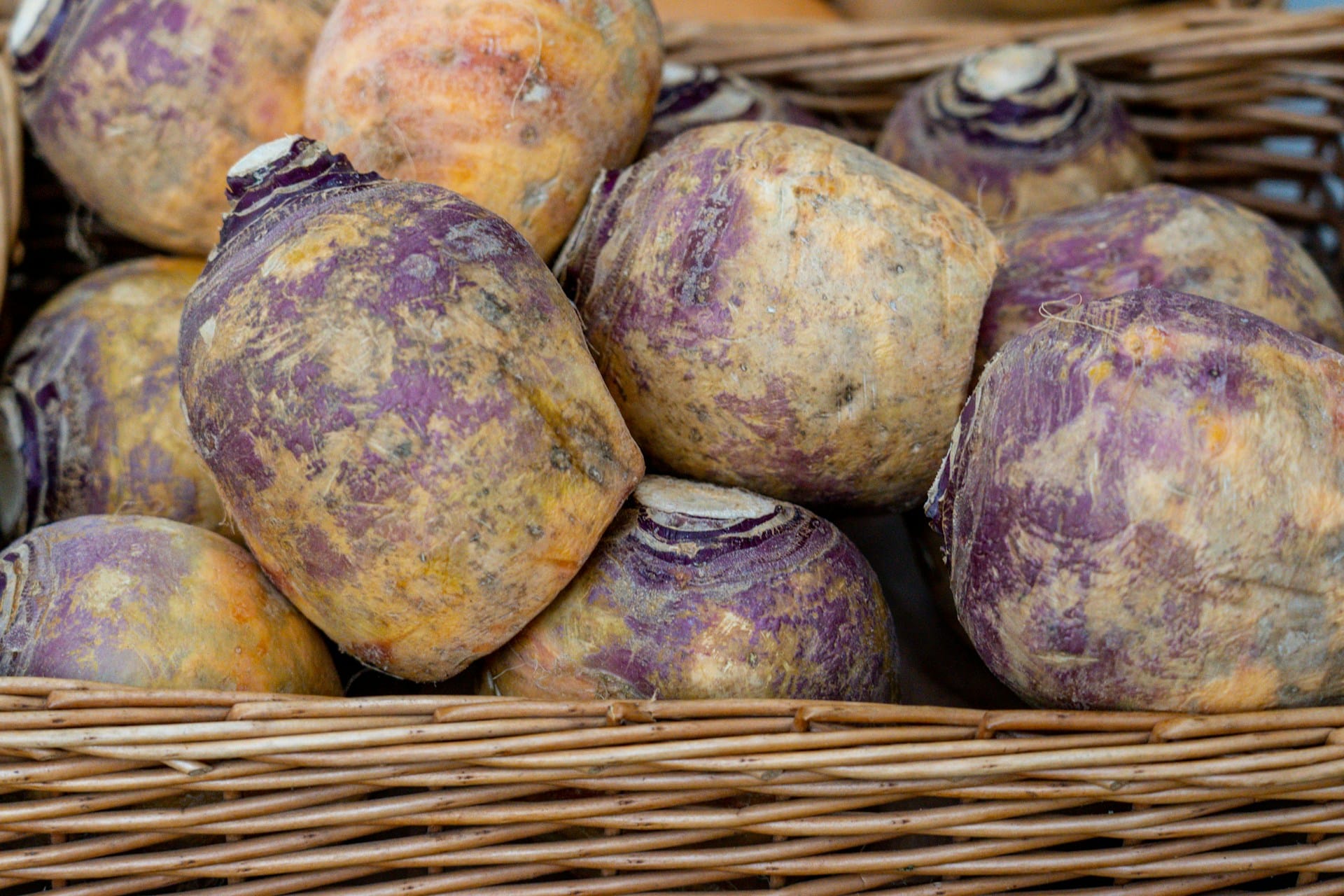
Long considered as a root vegetable reserved for people in times of war and famine, the rutabaga is however delicious and full of nutrients. Its aroma is reminiscent of cabbage and celery when you cut its thick flesh. Moreover, it contains several important minerals and vitamins for your body.
Rutabaga Cultivation
Sow your rutabaga seeds starting from March, either in a nursery under a greenhouse or directly outdoors, maintaining a spacing of 20 cm between each row. It is better to grow it on a loose and well-drained soil, preferably loamy, to promote its growth.
[bzkshopping keyword=”rutabaga”]
Tuberous Nasturtium: An Edible Flower and Vegetable at the Same Time
Even though it belongs to the clan of flowers, the tuberous nasturtium is also an excellent, yet unknown vegetable. Its thick roots are pearly white, sprinkled with large striated veins. Edible, with an intense peppery flavor, it will enhance your salads or can be enjoyed cooked. It is also said to have several health benefits, specifically due to its vitamin C content.
Cultivation of the tuberous nasturtium
You can plant nasturtium seeds directly into the ground between March and May, ensuring that the soil is well-aerated and exposed to the sun. As soon as the first leaves appear, remember to pinch them back since this plant has an invasive nature. It also likes to climb trellises, so be vigilant!
[bzkshopping keyword=”tuberous nasturtium”]
Cardoon: Originality on the plate
A vegetable that in some ways recalls the artichoke, the cardoon has long, succulent ribs. This biennial plant is also grown for its flowers which attract pollinators. In cooking, only consume the ribs removed from the veins and leaves. This vegetable brings something new to the taste and aesthetics, don’t hesitate to include it in your menus.
Cardoon Cultivation
Sow in the nursery from March until the end of April then transplant the seedlings in May to their final location. The space between each plant should be about 70 cm. It appreciates soil that retains water well and a slight shade. Beware of slugs, which will also feast on its large spiny leaves.
[bzkshopping keyword=”cardoon seed”]
Allow yourself to be tempted by these forgotten vegetables and reintegrate them into your garden in the spring. You will only benefit from planting them: ease of cultivation, originality, and even benefits for your health. Don’t forget that a permaculture garden that favors biodiversity benefits both you and your environment!