


After the blooming dazzling spring, it’s normal to wonder what to do with faded daffodils, hyacinths, and tulips. Don’t worry, because we are here to guide you through this botanical adventure! Together, we will explore the best practices for taking care of your bulbs after flowering, thereby promoting their long-term growth and better flowering the following season.
Why should you not throw away bulbs after blooming?
The first thing to know is that bulbs are living, even when they have finished their blooming cycle. Bulbs store the energy needed for flowering and leaf growth for the next year. By taking care of them properly, you can encourage them to sprout even more beautifully in the next season.
The flowering cycles of different species
It is essential to know the flowering cycle of different species in order to ensure optimal maintenance. Here are some examples:
- The Daffodils: usually bloom in March or April.
[bzkshopping keyword=”bulbe narcisse”]
- The Hyacinths: their blooming generally spreads out between March and May.
[bzkshopping keyword=”bulbe jacinthe”]
- The Tulips: depending on the variety, they can bloom between March and June.
[bzkshopping keyword=”bulbe tulipe”]
Best practices for taking care of bulbs after flowering
Step 1: Cut off the faded flowers, but not the leaves
When you notice that your flower is wilting and has lost its former beauty, it is time to carefully cut the faded flowers. Make sure to cut them just above where they join the stem. Leave the leaves intact, as they will continue to produce energy for the bulb and thus allow for better growth next season.
Step 2: Water moderately
Although your plants have finished flowering, they still need water for their development. However, you should be careful not to overwater them, as this could promote rotting of the roots and bulbs. A moderate and regular watering is generally more than sufficient.
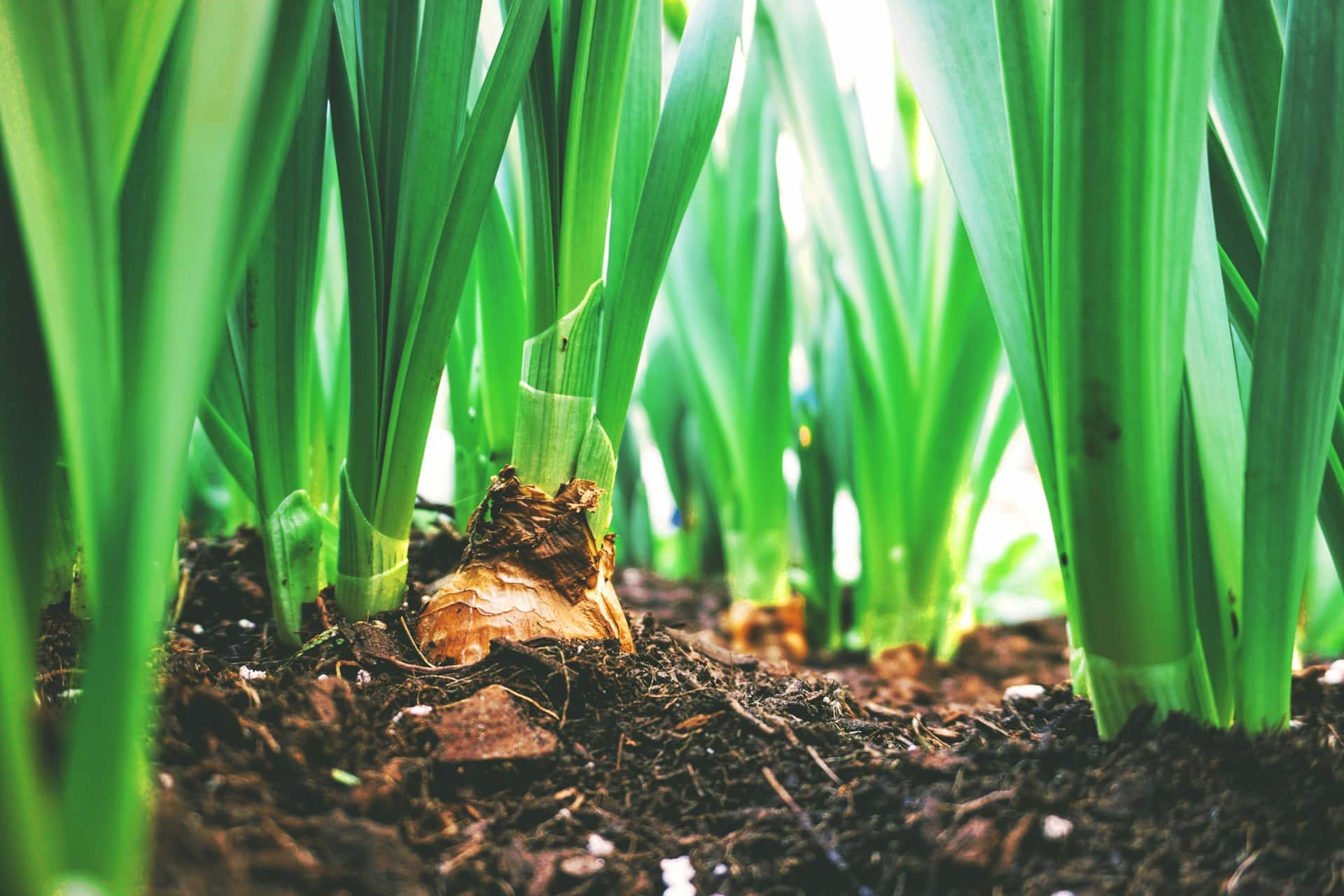
Step 3: Feed your bulbs with fertilisers
In order for your bulbs to receive all the nutrients necessary for their good health, it is important to feed them with a fertilizer rich in phosphorus and potassium. The best period for applying the fertilizer is between the end of flowering and the start of leaf yellowing. Remember that you must respect the precautions for use and the recommended doses on the fertilizer packaging.
[bzkshopping keyword=”engrais bulbe”]
Step 4: Let the leaves yellow naturally
It is crucial not to pick or cut the leaves before they become totally yellow or brown. Indeed, the leaves continue to photosynthesize and store reserves for the next season. Therefore, let them turn yellow and dry naturally. Once this happens, you can gently remove them for a neater appearance of your garden.
Should bulbs be dug up after blooming?
Situation No.1: The bulbs are in well-drained soil
In this case, it is generally not necessary to dig up your bulbs after flowering. The roots benefit from a healthy and balanced environment that promotes their continuous growth. However, make sure to regularly check the soil for any excessive water accumulation or harmful factors such as pests or diseases.
Situation n°2: The bulbs are in poorly drained soil
If your bulbs seem to be planted in poorly drained and permanently damp soil, it is wise to dig them up after flowering to avoid rot or fungal infections. Take care to store them in a dry, cool, and well-ventilated place until the fall planting season.
Pot bulbs: their specific management
If you have planted your bulbs in pots or containers, it is best to dig them up after they flower. Containers tend to retain water longer than traditional gardens, which can result in rapid bulb rot. After digging them up, let them dry in the open air for a few days before storing them in a cool, dry place.
Enrich your garden with other varieties of bulb flowers
To brighten up your garden throughout the year, do not hesitate to explore other bulb flower species such as lilies, irises, or daffodils. Each has its own care requirements and flowering cycles, thus ensuring a colorful display throughout the year.
[bzkshopping keyword=”bulbe lys”]
[bzkshopping keyword=”bulbe iris”]
[bzkshopping keyword=”bulbe jonquille”]
In short, the best advice for maintaining your faded daffodils, hyacinths and tulips primarily involves managing the cutting of flowers and leaves, watering and feeding with fertilizers. Moreover, it is worth researching the best practices for each type of bulb to optimize their future growth and, if necessary, adjust the care methods to adapt to the specific environmental conditions they face.