
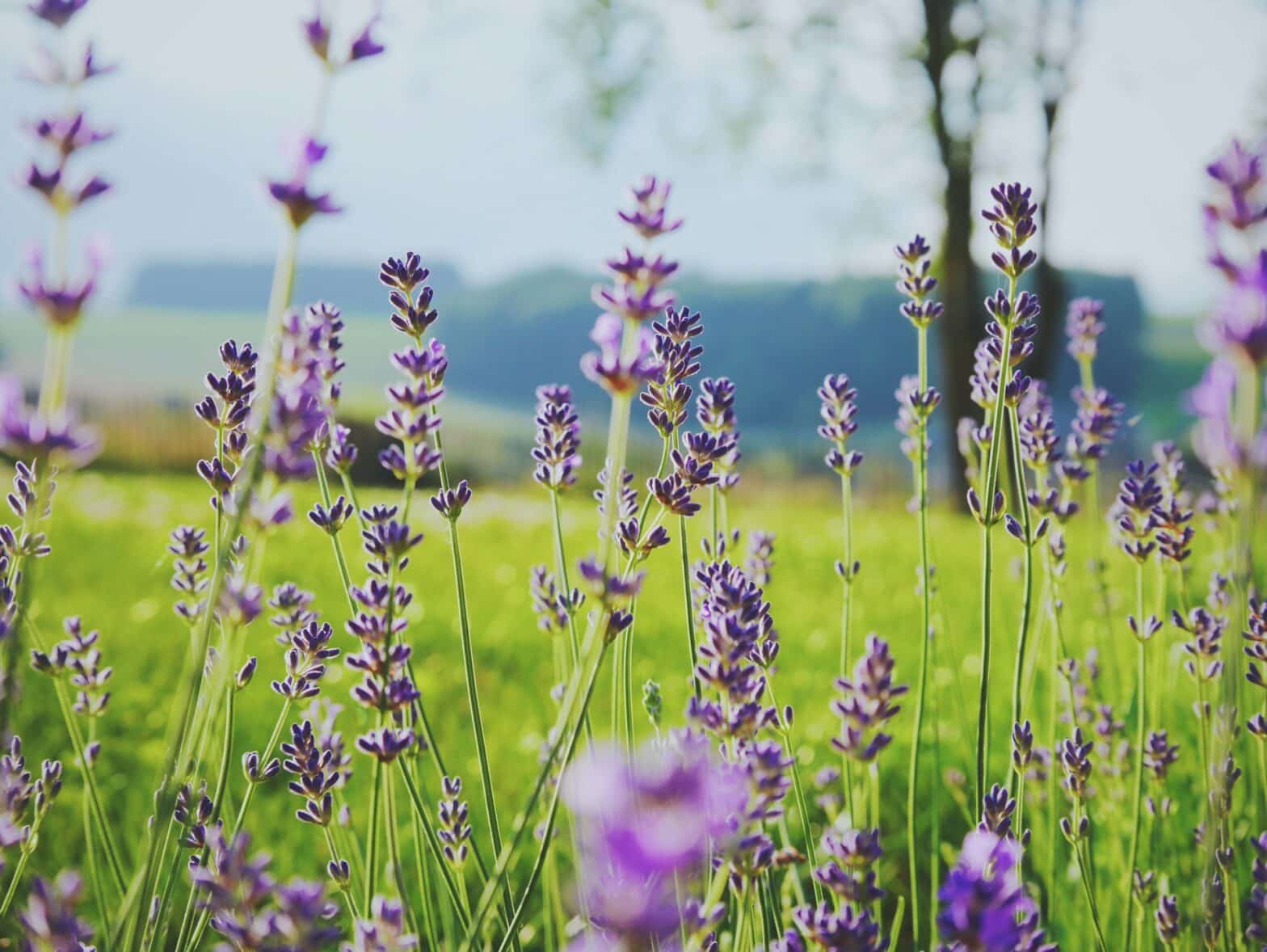

Lavender is a highly prized plant for its enchanting perfume, beauty, and its numerous virtues. It is also easy to grow and maintain, making it an ideal choice for gardening. In this article, we will explore the different steps to plant and maintain lavender in a garden.
Choice of Lavender Variety
There are several species and varieties of lavender. The most common are lavandula angustifolia, often called “true lavender” or “fine lavender”, and lavandula x intermedia, also known as “lavandin”. The former is renowned for its delicate fragrance, while the latter has a higher flower yield. Depending on your preferences, you can choose the variety that best suits your garden.
[bzkshopping keyword=”plant lavandula angustifolia”]
Cultivation Conditions
Sun exposure
Lavender needs at least 6 hours of sunlight per day to grow properly. Therefore, it is essential to choose a location based on exposure and sunlight. Shaded corners of the garden are not suitable for this plant.
Soil Type
Lavender requires a light, well-drained and slightly chalky soil. A soil that is too heavy or compact is not suitable for it and can cause root rot problems. If your soil is clayey, you can improve it by adding sand and compost.
Lavender Planting
Ideal time to plant
The ideal time to plant lavender is in the spring, between March and May, when the risk of frost is eliminated. However, autumn planting is still possible if the climate is not too cold.
Ground Preparation
In order to properly prepare the soil before planting, it is advisable to follow these steps:
- Weeding : Remove the weeds that could hinder the growth of lavender.
- Dig the soil : Turn the soil to a depth of about 30 cm to loosen the earth and facilitate plant rooting.
- Amend the soil: Add sand and compost to lighten a clay soil.
[bzkshopping keyword=”beche jardin”]
Setting up lavender plants
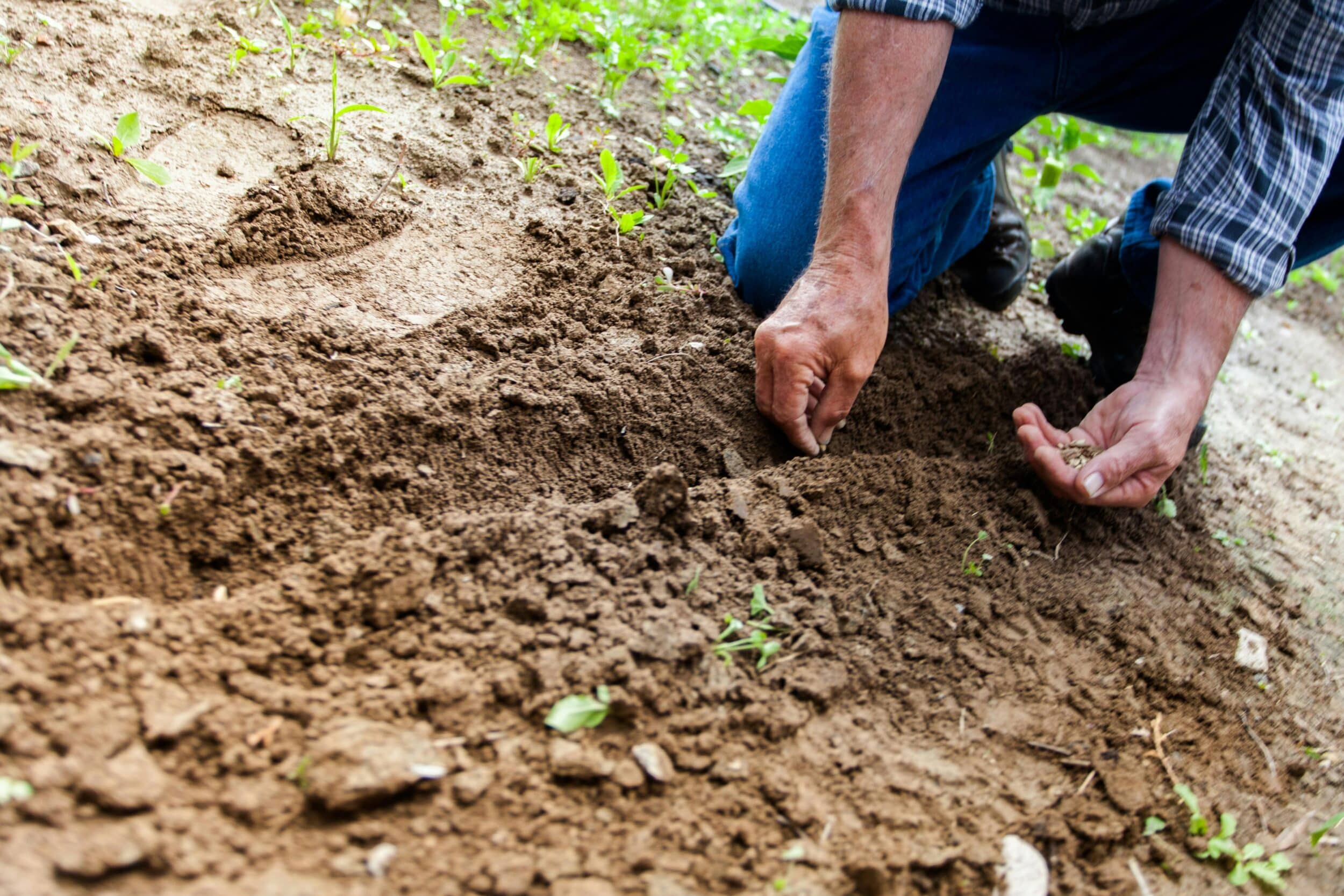
The steps to follow to plant lavender are as follows:
- Dig a planting hole : The hole should be twice as wide and deep as the root ball.
- Position the plant : Gently place your lavender in the hole, making sure that the top of the root ball is level with the ground.
- Fill with soil: Then gradually fill the space around the roots and pack down slightly.
Don’t forget to space out your lavender plants so they have room to grow. Allow approximately 30 cm between each plant for lavandula angustifolia and 60 cm for lavandula x intermedia.
Lavender Care
Watering
Lavender is a plant that handles drought well and prefers a dry soil rather than a too moist one. During the first few months after its planting, it may be necessary to carry out some watering to help the plant root properly. Afterward, lavender will only need water in case of a prolonged drought period. Providing water every two weeks or during extreme heat will then be sufficient.
Size
To encourage the flowering and the vigor of the plant, it is recommended to prune lavender regularly:
- Pruning training: Perform a light initial pruning at the time of planting by cutting off the ends of the branches. This will promote better branching.
- Maintenance Size: Once a year, usually after the flower harvest in late summer or early autumn, prune your lavender to about 1/3 of its height to stimulate its growth and prevent woodiness.
Lavender, being particularly resistant to diseases and pests, does not require specific treatment to combat them. Regular maintenance and good monitoring of your plants will then allow you to fully enjoy their benefits and beautify your garden with this much-loved plant.