
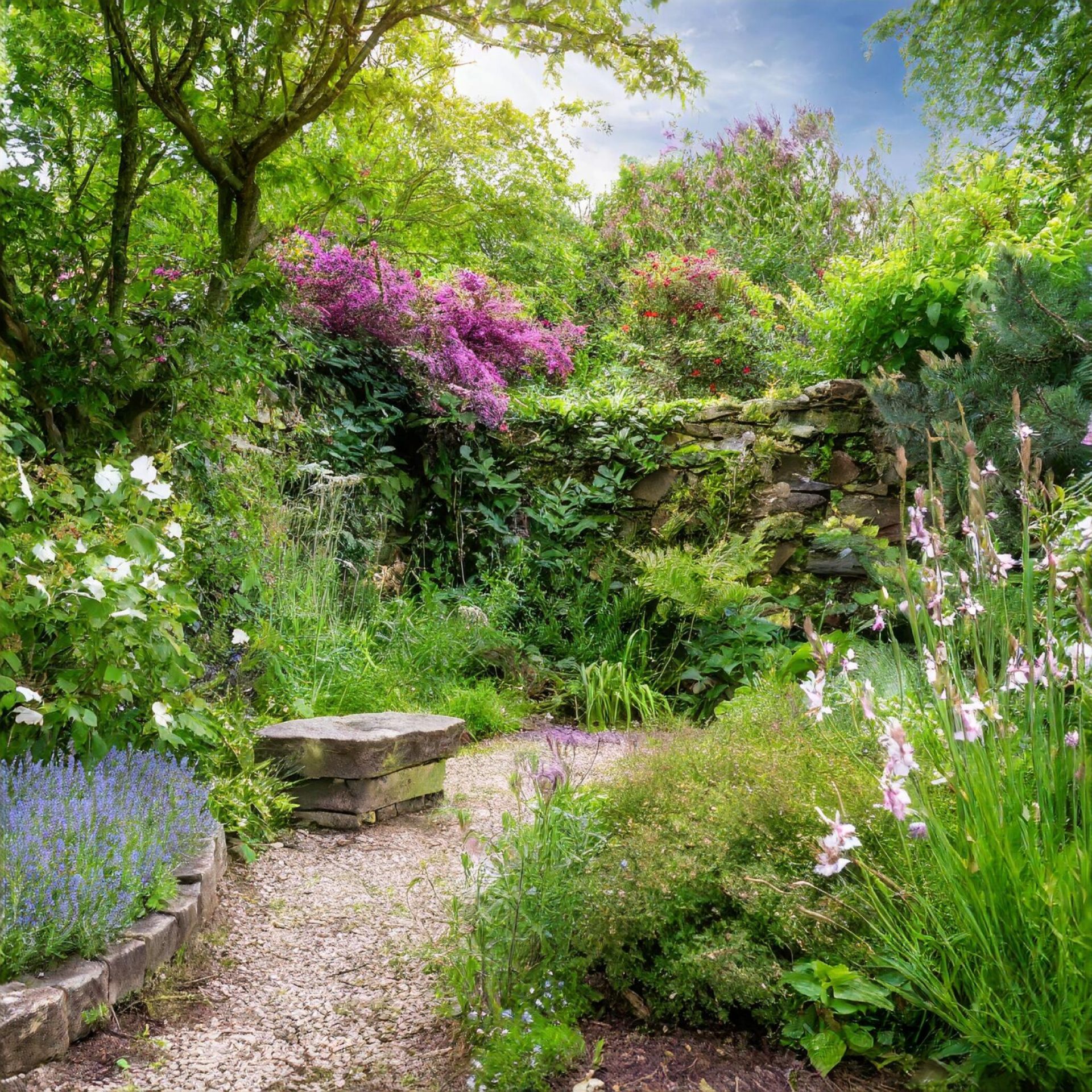

Holidays are the perfect time to reconnect with nature and initiate projects that contribute to local biodiversity. Creating a mini-wild garden is an excellent way to attract indigenous fauna and flora, while providing a space for relaxation and beauty. Here is a step-by-step guide to start your own mini-wild garden during the holidays.
A wild garden is designed to mimic natural ecosystems, thereby promoting local biodiversity. Unlike traditional gardens, which are often planned with specific plants and require regular maintenance, a wild garden encourages the spontaneous growth of native plants, attracts a variety of wild animals, and operates with little human intervention.
The idea is to create a space that provides habitats for different species of fauna and flora, particularly those native to the region. This can include planting wildflowers, installing natural structures for insects, and even creating water points for birds and amphibians. A wild garden can serve as an ecological corridor in urban or suburban areas, providing refuge and resources for local biodiversity.
Location Selection
The first step is to choose a suitable location in your garden. Look for a corner that can be left relatively undeveloped to allow nature to reclaim its rights. This does not need to be a large area; even a few square meters can suffice.
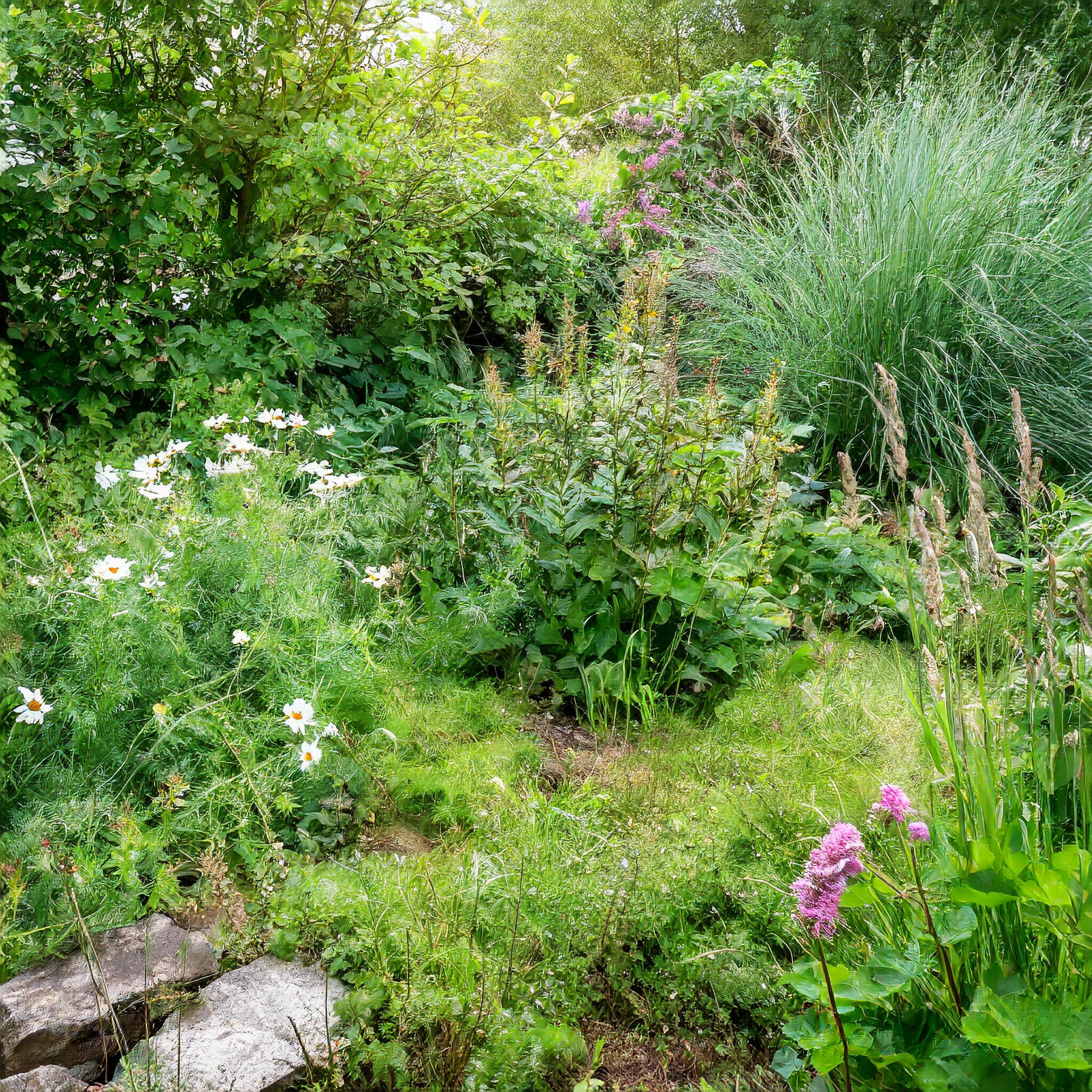
It is important to consider sun exposure, soil type, and proximity to other plantings. A wild corner thrives in an environment that mimics its natural conditions, so few interventions are needed once everything is in place.
Selection of plants
Opt for native plants that will better adapt to local conditions and attract a variety of insects, birds, and small mammals. Native plants have the advantage of requiring less water and maintenance once established.
Consult your local garden center or an environmental specialist to choose the plants that will most benefit the biodiversity of your region. Consider including varieties that bloom at different times of the year to ensure a constant source of food for wildlife.
Soil Preparation
Soil preparation is minimal in a mini-wild garden. The idea is to allow the soil to self-regenerate. However, if your soil is particularly poor or compacted, you can slightly improve it by adding compost or aerating the soil without overly disturbing the existing ecosystem.
In some cases, it may be useful to remove invasive weeds or cover the ground with organic mulch to promote the growth of native plants. Be sure not to use any chemicals that could harm the wildlife you are trying to attract.
Planting and sowing
The planting can be done either by direct sowing in open ground at the end of winter or at the start of spring, or by planting young seedlings. If you opt for sowing, spread the seeds by hand for a more natural effect and let them germinate without intervention.

For the plants, space them out in a way to give them room to spread out and create groups of the same species to maximize their visual impact and their utility for wildlife. Then let nature do its work, intervening as little as possible.
Water Management
In a wild garden, the aim is to minimize human intervention. This includes watering, which, in most cases, will not be necessary once the plants are well established. However, during the first few weeks and in case of prolonged drought, light watering can help the plants settle in.

Consider installing a water feature, such as a small pond or basin, to attract even more wildlife and provide a vital water point during the warmer months.
Minimal Maintenance
The maintenance of a mini wild garden is deliberately minimal. Avoid excessively pruning or weeding. Leave the dead leaves in autumn to provide shelters for insects and other small animals during the winter.
An annual intervention at the end of winter to remove dead annual plants and cut back perennials may be sufficient. This will help maintain some order while allowing the garden to regenerate and develop naturally.
By following these steps, you can easily create a corner of wilderness in your garden. This mini-garden will not only beautify your outdoor space but will play a crucial role in the conservation of local biodiversity. It is a wonderful way to enjoy holidays while positively contributing to the environment.