


In a bold move, Peugeot recently announced the integration of ChatGPT, the artificial intelligence developed by OpenAI, into its i-Cockpit interface. This decision signals a desire to rethink the interaction between the driver and their vehicle.
If the title of our article may make you smile, rest assured: for now, ChatGPT is not in control of the driving, but it promises to enrich the user experience with verbal exchanges of a new kind.
Behind the humor, a serious technological advancement
The integration of ChatGPT by Peugeot raises an amusing question: Will AI be able to drive? Of course, behind this pun, hides a more down-to-earth reality, but no less fascinating.
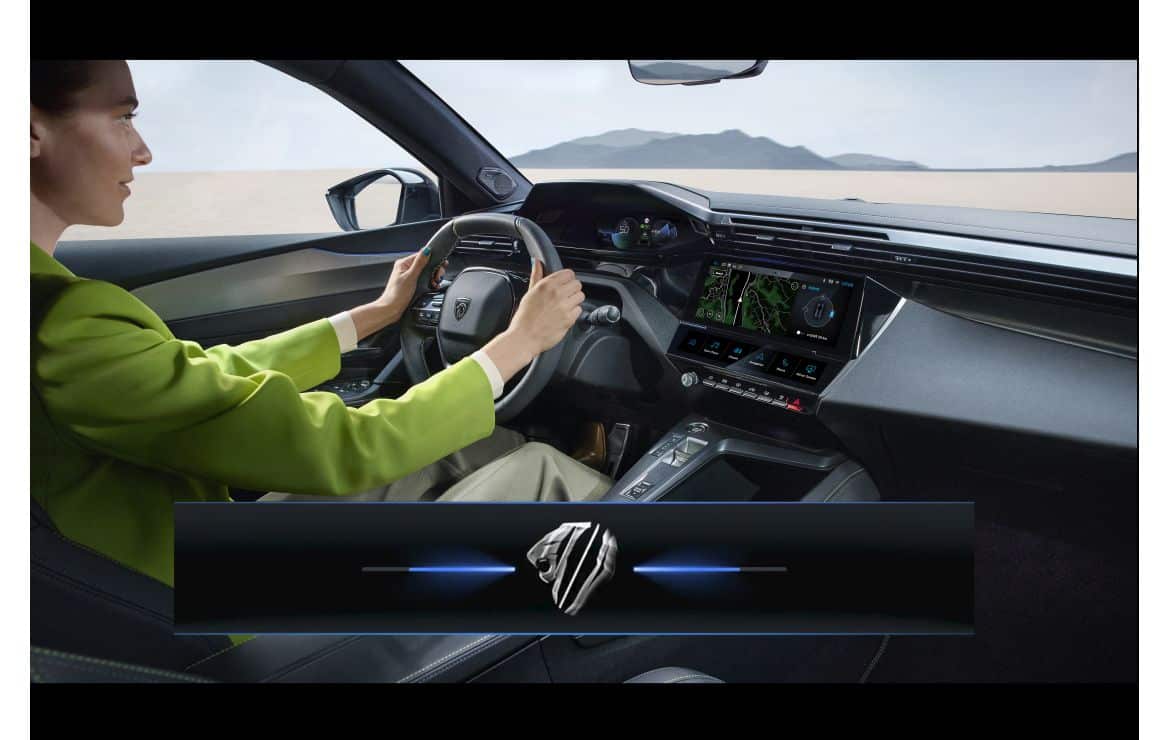
ChatGPT will allow drivers to interact with their car in a more intuitive and intelligent way, whether it is to obtain information, advice, or to control internal features without taking their eyes off the road, or to keep children occupied in the back seat during long journeys on vacations.
Towards a wider adoption of voice assistants?
Historically, voice assistants in cars have often been criticized for their lack of responsiveness or difficulty in understanding natural commands; they are ultimately not widely used and always tend to activate when they shouldn’t. With ChatGPT, Peugeot could well change the game.
The promise of an AI capable of understanding complex commands and providing relevant responses could encourage more drivers to use this tool, making driving safer and more enjoyable.
A promising future, between curiosity and pragmatism
Peugeot opens the way to intriguing possibilities. Even if ChatGPT doesn’t take the wheel, its integration into the automotive ecosystem suggests future advances where AI could play a more active role in driving. For now, this initiative invites us to rediscover voice assistants, not just as simple gadgets, but as travel companions enriching our driving experience.
As Peugeot begins its innovative partnership with ChatGPT, the deployment of this technology is set to be gradual. Initially reserved for a selection of 5,000 customers, this opportunity has been extended to 10,000 due to exceptional interest, highlighting the enthusiasm for this progress. This pilot phase, offering the service for free for six months, embodies Peugeot’s caution and ambition: testing, learning, and potentially expanding access to this revolutionary interface.
It’s a time of exploration, promising to redefine the communication between drivers and their vehicles, towards shared intelligence and an enriched driving experience.