

The size of plants is a crucial aspect of gardening, promoting their growth, maintaining their shape, and stimulating flowering or fruiting. However, there are times when, for various reasons, we miss the optimal time to prune.
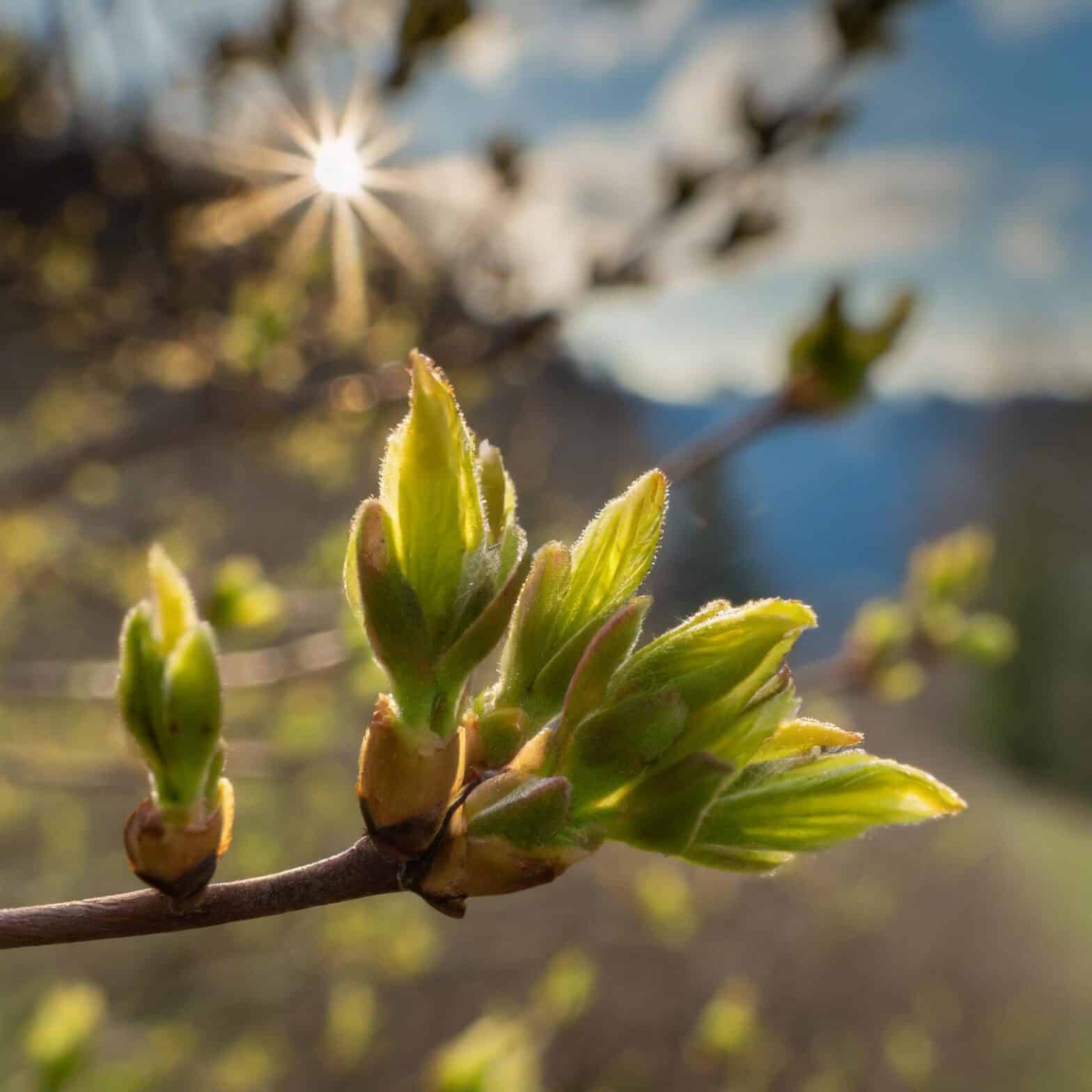
Finding yourself facing trees or shrubs whose buds have already burst can raise questions: is it still time to prune? If yes, how to proceed without harming the plant? This article will guide you through the steps to follow for a late pruning that respects your plants.
1. Assess the situation
The success of a late pruning largely depends on the ability to correctly assess the situation and adapt your method according to the type of plant involved. Here is a detailed guide to help you navigate this crucial stage:
Fruit Trees
- Apple and pear trees: These trees can tolerate pruning even after the first buds have appeared, up until the end of spring. Focus on thinning out the branches to improve air circulation and exposure to the sun, which is essential for the health of the fruit.
- Apricot trees, cherry trees, and peach trees: These trees are more sensitive and it is preferable to prune them before bud break. However, a gentle pruning after the buds have appeared can be carried out to remove dead or diseased branches.
Rosebushes
- Roses can be lightly pruned after the start of budding without fear of harming them. The goal is to remove dead wood, shape the plant and encourage flowering. Make sure to prune just above an outward-facing bud to promote open growth.
Summer-flowering Shrubs
- These shrubs, such as panicle hydrangeas and buddleias, bloom on the year’s wood. Therefore, they can be pruned at the start of spring, even if the buds have already formed. Pruning aims to stimulate the growth of new branches that will bear flowers.
Spring flowering plants
- Forsythias, lilacs, and rhododendrons: For these shrubs, pruning should be carried out immediately after flowering. Pruning these plants after the appearance of buds or after spring flowering allows not to sacrifice the flowers of the year. The aim of pruning is to remove old or weak branches to revitalize the plant.
General advice for evaluation
- Observation: Take the time to observe the overall state of the plant, the health of the buds, and the development of the branches. This first step is crucial to decide on the opportunity of a pruning.
- Specific Research: Each species has its own needs and reactions to pruning. A little research on the specific pruning needs of your plants can save you a lot of hassle.
- Informed Decision: Based on your assessment and the information gathered, decide on the type of pruning necessary: removal of dead or diseased parts, thinning to improve aeration and sun exposure, or formative pruning to shape the plant.
By adapting your pruning technique to each type of plant and intervening with care and attention, you can minimize the negative impacts of late pruning and promote the health and vigor of your plants for the upcoming season.

2. Soft size
If you decide to prune after budbreak, opt for a gentle trim. This means minimizing the necessary interventions, focusing on the removal of dead, diseased or damaged branches as well as a slight reshaping of the plant. Avoid severe pruning that could overly stress the plant and compromise its growth or flowering.
3. Use of appropriate tools
Make sure your pruning tools are well sharpened and disinfected to avoid unnecessarily injuring the plant and transmitting diseases. A clean cut will promote rapid and healthy healing.
4. Timing
For plants that can withstand pruning in the presence of buds, early spring remains an acceptable time, just before the sap actively rises. This period varies depending on the climate and the region, but is usually between the end of February and the beginning of April in France.
5. Post-pruning Care
After pruning, it is essential to take special care of the plant to aid its recovery. This includes adequate watering (without excess to avoid diseases related to humidity), supplying suitable fertilizer to support growth, and, if necessary, applying a healing product to significant cuts.
Late pruning is not ideal, but it can be done carefully to minimize negative impacts on the health and vigor of plants. By following these tips, you will be able to correct course and prepare your plants for a successful growing season.
Keep in mind that each plant has its own specific pruning needs; taking the time to properly inform yourself can make all the difference in achieving a flourishing and productive garden.