


Can’t believe your eyes? Yet, this is the new trend: eating rich meals during a diet period! So far, we thought that to quickly develop muscle mass, a strict diet was necessary, along with plenty of training. But with the evolution of the cheat meal, it seems that things have changed on the food side.
What is a cheat meal?
The term “cheat meal”, literally translated as “cheating meal”, refers to a meal that one allows oneself during a low-calorie diet, during which one temporarily abandons the rigorous tracking of calories, carbohydrates, fats, and other nutrients. The idea behind this concept is to break the monotony of the diet, both psychologically and physiologically, by allowing a moment of culinary pleasure.
However, it is important to remain conscious of food choices, even during a cheat meal. Although one may allow oneself not to count every calorie, it is recommended to maintain some moderation, especially regarding so-called “empty” calories, such as those present in alcohol. It is also advised to limit these cheat meals to a maximum of two per week. This approach allows for a balance between satisfying taste buds and nutritional goals, thus contributing to a more efficient management of the diet.
Why a cheat meal during a diet?
The problem with low-calorie diets is that you initially lose weight, since the body taps into its reserves to function, but eventually it adapts to the situation and shifts into rest mode, making the loss less significant despite the efforts.
Having a rich meal allows you to trick the body into not realizing it’s on a diet and thus continuously stay in the first phase of weight loss.
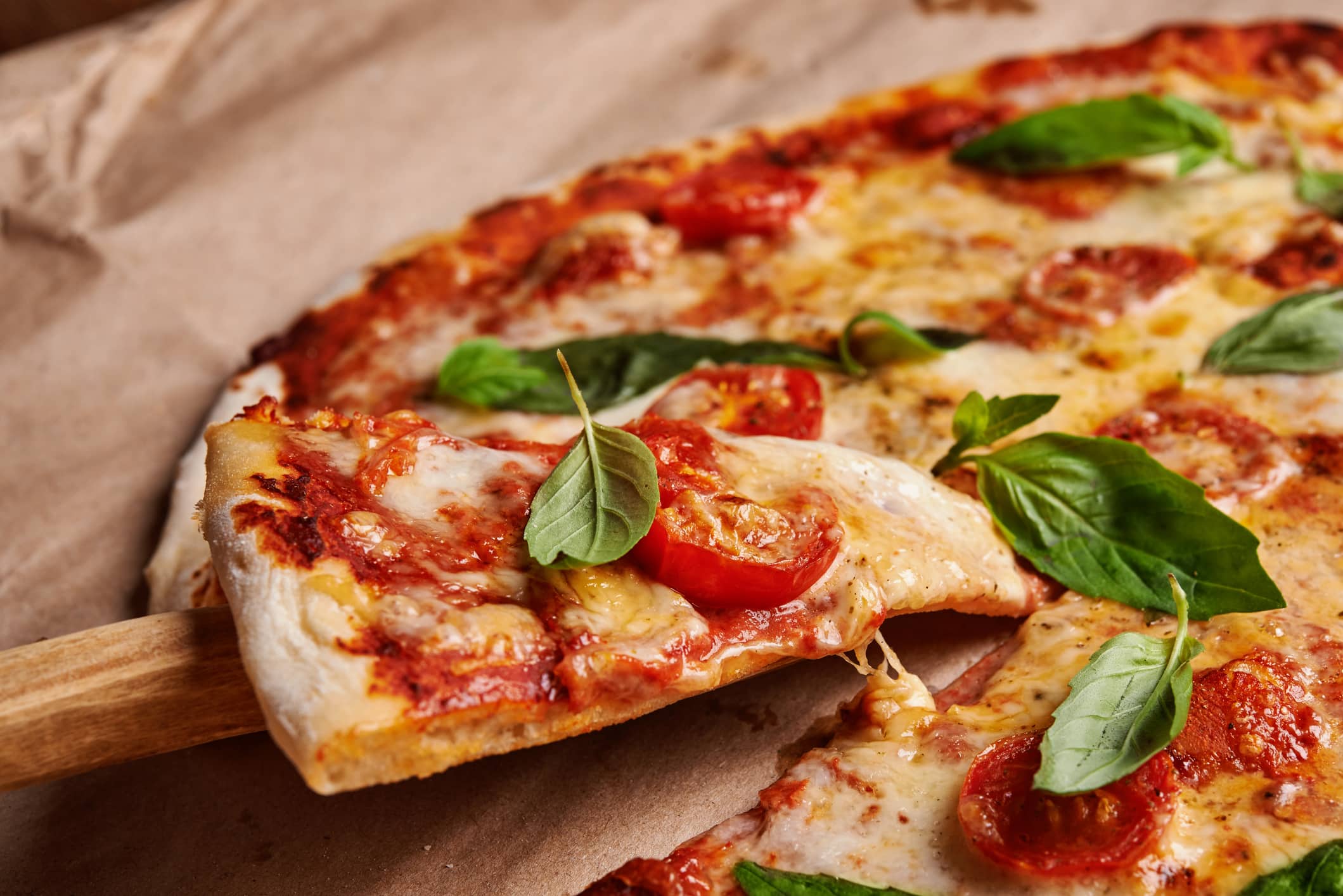
When should it be taken?
The choice of the ideal time for a “cheat meal” varies depending on individual preferences and personal goals. Some opt for this culinary feast on a day without muscular training, considering this time as a welcome break to recharge the batteries and prepare mentally and physically for the challenges of the next day. Others, on the other hand, prefer to plan their “cheat meal” on training days, thus limiting guilt fears thanks to intense physical activity.
The choice between these approaches depends on your own pace of life, your training habits and your specific goals in terms of physical fitness. The key is to find the timing that best aligns with your individual needs, while remaining aware of the potential effects on your overall diet and your muscle-building progress. In the end, it’s up to you to decide which strategy works best for you and allows you to achieve your goals in a balanced way.
The benefits of cheat meal…
- good for morale: Low-calorie diets tend to isolate: we no longer go out with friends to avoid being tempted to deviate from the diet. By allowing yourself a meal without counting, you can continue to lead the same social life.
- slow down fat storage: Leptin is a body enzyme that acts on it as an appetite suppressant. During a diet period, leptin levels drop, promoting fat storage. A cheat meal helps to raise this level!
…and its disadvantages
- those who do not know how to moderate themselves : a rich meal yes, but not to the point of vomiting!
- those who can’t handle it and put themselves on an even more severe diet after!
For these two categories of people, the cheat meal will not be beneficial.
Whether you choose to incorporate it on training or rest days, the key lies in a thoughtful approach that promotes physical and mental well-being, thus contributing to a holistic and sustainable approach to nutrition and bodybuilding.