


In the era of alternative medicines, osteopathy appears as an increasingly widespread practice, used and appreciated by patients, men, women, and even infants. This relies on the idea that the body has an intrinsic ability to heal itself and that by manipulating, stretching, and massaging certain areas of the body, it is possible to improve its functioning.
Composed of a series of manipulations on the whole body, osteopathy is particularly recommended for painful ailments of the skeleton, notably back problems. However, osteopathy is not the solution to everything : an overview of the different areas of application of this technique that is beneficial for you.
What is Osteopathy?
Osteopathy is a manual therapy aimed at improving health by restoring balance and mobility to body structures, particularly the musculoskeletal system. It can help relieve pain and muscle tension, improve flexibility and posture, reduce the symptoms of certain diseases, and strengthen the immune system.
It can also be used to help people regain their physical fitness after an illness or surgery. It is often used in conjunction with other therapies to provide a complete and personalized treatment for patients.
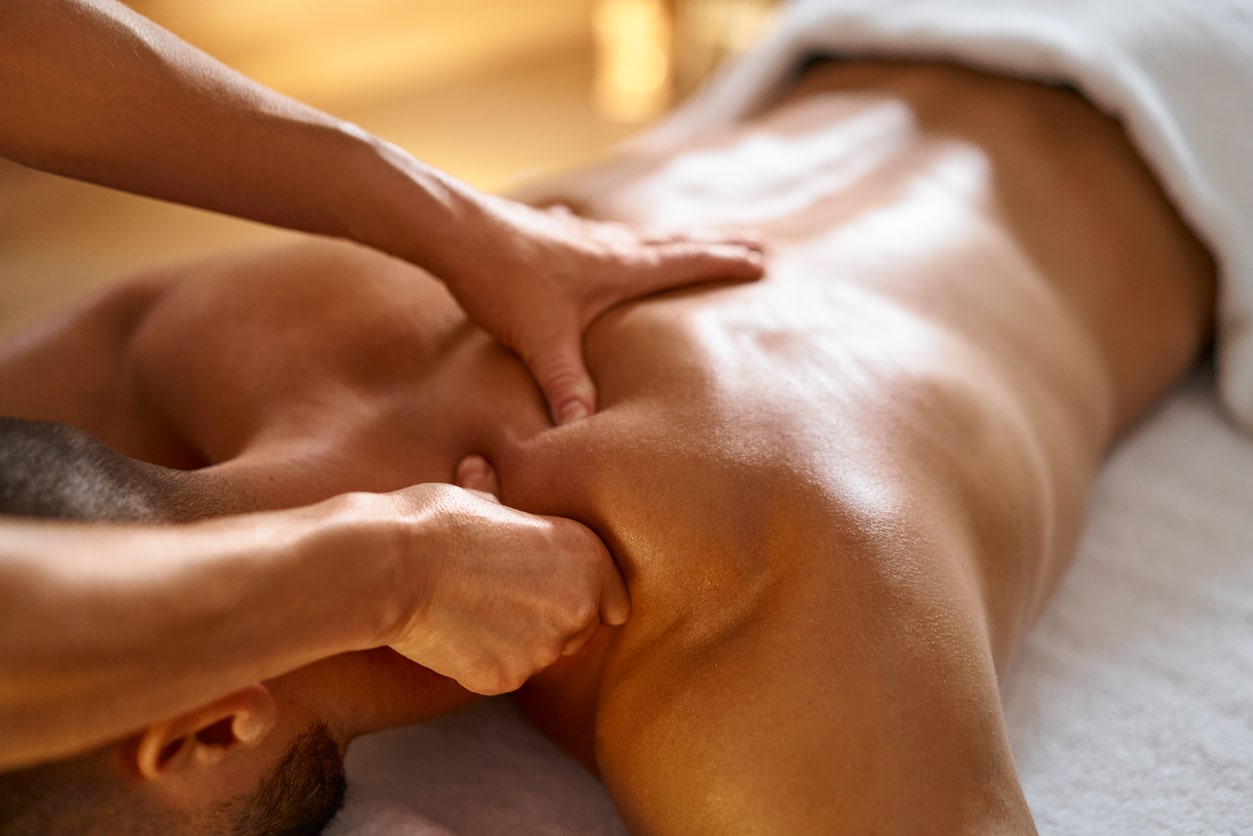
In general, osteopathy is considered a safe and effective therapy for many health disorders. It can help improve overall quality of life by reducing pain, increasing mobility, and promoting physical and mental well-being. It is important to discuss with a qualified osteopath to determine if osteopathy can be beneficial for your particular situation.
Osteopaths use a variety of manual manipulation techniques to treat each patient. Osteopaths use a holistic approach to health care that considers the person as a whole rather than just the symptoms.
Firstly, know that osteopathy can act as a preventive or curative measure. Its scope of action applies to painful ailments of the skeleton, viscera, joints, muscles…
Caution, even if the results after an osteopathy session are sometimes surprising, notably with back pains, this practice does not heal all ailments: it cannot, for example, act on degenerative diseases (cancer, multiple sclerosis), genetic diseases, infections and fractures.
The main indications of osteopathy:
- Back pain;
- joint pains;
- tendonitis;
- carpal tunnel syndrome;
- circulatory disorders;
- depressive states, stress, anxiety.
Furthermore, osteopathy is an effective tool in the treatment of: ear infections, digestive disorders, chronic fatigue, allergies, asthma and headaches. Osteopathy can also be used preventively to help avoid injuries and to maintain good health and flexibility.
Osteopathic manipulation focuses on restoring the body’s normal balance and mobility which can help relieve pain, reduce stress and increase overall well-being.
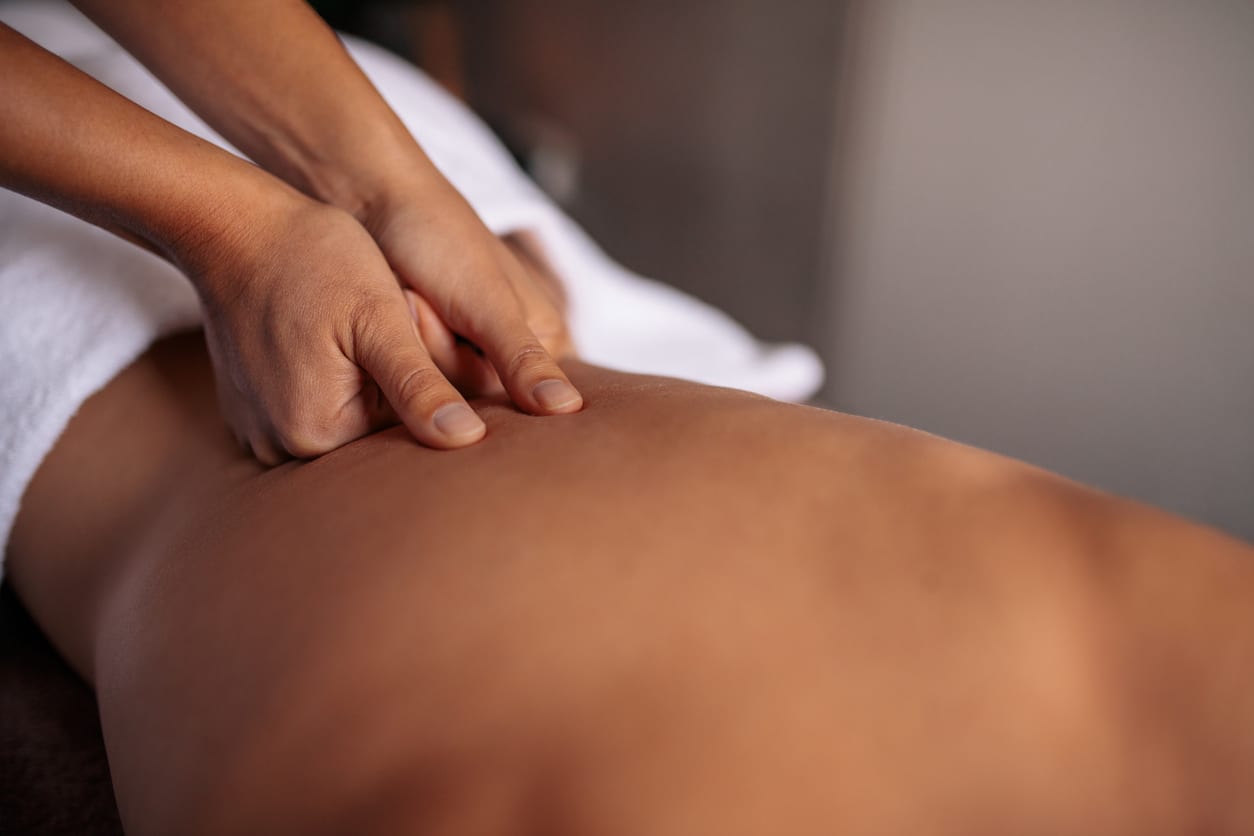
Forewarned is forearmed
Well-being has a price. Given that osteopathy is not a harmless practice, but a real therapeutic manipulation, some side effects may be felt: worsening of symptoms, behavioral problems, hypersensitivity, dizziness and headaches, fatigue…
On the other hand, it can also help to treat different types of chronic conditions, such as osteoarthritis, lower back pain, and migraines. The practitioner must provide ongoing follow-up with the patient to monitor their progress and make the necessary adjustments to ensure positive results: the improvement of overall well-being.
Many patients report a significant reduction in their stress levels and an improvement in their quality of life after treatment with an osteopath.
Generally, painful symptoms do not persist for more than 24 hours. If they do, consult a doctor to rule out any underlying medical problem that could be causing the pain.