

Ice is an unavoidable phenomenon for all drivers who live in or pass through areas where it is cold. It creates difficult driving conditions and significantly increases the risk of accidents. In this article, we are going to give you some essential tips to anticipate and react during a skid on an icy road.
Know how to spot the signs of black ice
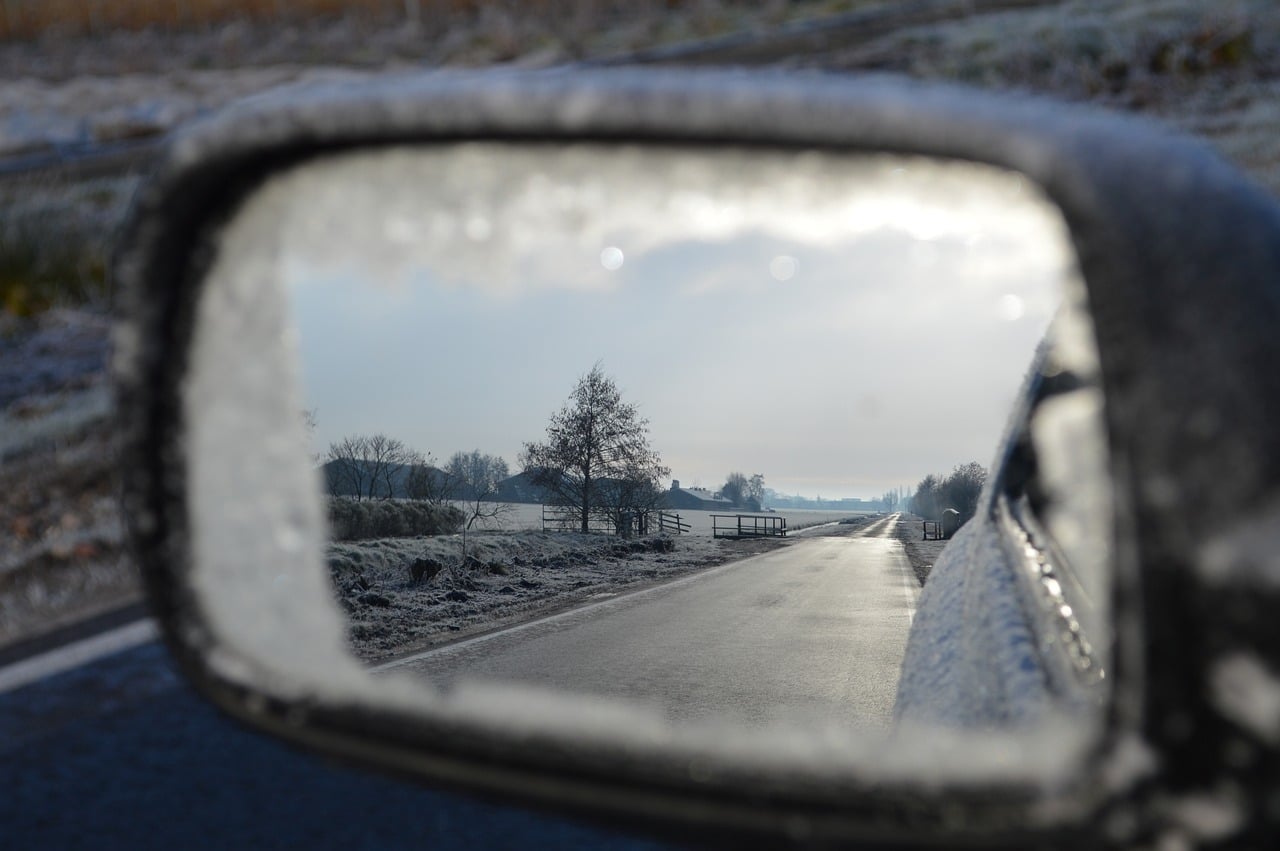
Detecting the presence of ice is not always an easy task. Indeed, it can be transparent and difficult to spot. Therefore, it is crucial to know the warning signs that indicate you may be faced with this dangerous type of roadway:
- Weather conditions: The outdoor temperature must be below zero for ice to form. Therefore, constantly monitor the thermometer of your vehicle, especially when the environment becomes humid (icy rain, melting snow). A clear sky accompanied by negative temperatures is also conducive to the cooling of the road.
- The color and shine of the road surface: Black ice is generally transparent or slightly whitish, making its visual identification complex. However, a road surface exhibiting an unusual tint or special shine could be the sign of an icy road.
- Bridges and viaducts: These structures have the particularity of cooling faster than other sections of roads. Therefore, be vigilant when crossing them, as they are often the first to be affected by black ice.
How to anticipate the risks associated with black ice?
Responding well in case of a slip-up is essential, but it’s better to avoid risky situations from the start. Here are some tips to anticipate problems:
Maintain a safe distance between vehicles
When there is ice on the road, braking distances are lengthened, thus making collisions more likely. Therefore, increase your safety distance from the vehicle in front of you in order to have more time to react if necessary. Generally, count at least 4 seconds between each car.
Adjust speed to driving conditions
Speed is one of the main factors involved in ice-related accidents. To anticipate these situations, slow down as soon as you identify potential signs of ice on the road. Also, prefer to use higher gear ratios than those usually used, in order to limit the risks of skidding due to sudden acceleration.
Regularly check the tires and equipment of your vehicle
Tires in good condition and properly inflated play a crucial role in the quality of braking on ice. Therefore, remember to check their pressure and wear regularly, especially if you frequently travel on roads prone to ice. Also, don’t forget to properly maintain your brakes, suspensions and other elements that can impact your road safety.
How to react when skidding on an icy road?
Despite all the precautions taken, it can happen that we are faced with an unexpected skid on the road. Here’s how to react to minimize the dangers:
Maintaining control of one’s emotions and staying focused
In a stressful situation like this, it is important to keep your cool and not give in to panic. Try to keep your gaze far ahead, anticipating as much as possible the trajectory your vehicle will follow during the skid.
Immediately take your foot off the accelerator and avoid braking abruptly
When you notice that your vehicle begins to skid, the first thing to do is gently remove your foot from the accelerator pedal. Also avoid braking suddenly, as this can exaggerate the skid and worsen the situation. If you absolutely have to brake, do it in a gentle and progressive way.
Steering the wheel in the direction of the skid
If your car has rear-wheel drive (propulsion transmission), it is advised to turn your steering wheel in the direction you want to go, and not the opposite direction as many tend to do instinctively. For vehicles with front-wheel drive (traction), rather steer your wheel in the opposite direction of the skid. Thus, you maximize your chances of quickly regaining control of your vehicle.
Using your brakes intelligently
Depending on your vehicle, you may not be able to use your brakes in the same way:
- For vehicles equipped with an ABS system (Anti-lock Braking System): Press firmly and maintain pressure on the brake pedal. You will likely hear a dull noise and feel vibrations in the pedal, but this is normal – it means that the ABS is in action.
- For vehicles without ABS: It is recommended to pump the brake pedal rapidly and gently in order to gradually slow down your car without causing a total wheel lock.
By applying these tips during difficult situations related to ice, you will significantly increase your chances of getting out of trouble without any damage to yourself and your vehicle.